Definition and Meaning
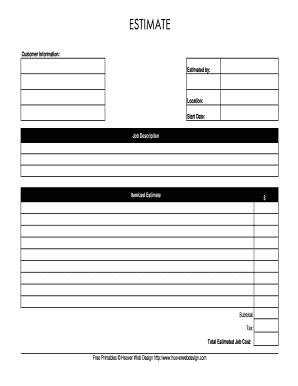
A sample VAT invoice in Ghana serves as a demonstration of the necessary components and format required for a legal value-added tax invoice in the country. This document is crucial for businesses obligated to charge VAT on taxable goods and services. The invoice must adhere to the Ghana Revenue Authority's standards, reflecting details such as the supplier's and customer's information, a description of goods or services, the applicable VAT rate, and the total amount inclusive of tax. The sample provides insight into how a proper VAT invoice should appear, ensuring compliance with tax regulations.
How to Use the Sample VAT Invoice in Ghana
To effectively utilize a sample VAT invoice, businesses must ensure that their real invoices align with the exemplified structure and details. The sample can guide the correct placement of essential elements like the taxpayer identification number (TIN), invoice date, and VAT registration number. Companies should modify the sample to reflect their specific details while maintaining the legally required components. This use assures that invoices meet legal obligations and are straightforward for customers to understand.
Key Components
- Supplier and customer details
- Description of goods or services provided
- Total amount, including applicable VAT
- VAT rate and registration number
- Invoice and TIN numbers
- Date of issuance
Steps to Complete the Sample VAT Invoice in Ghana
Completing a VAT invoice requires several precise steps to ensure accuracy and compliance. Below is a detailed guide to help with this process:
- Input Supplier Information: Include the business name, address, VAT registration number, and TIN.
- Add Customer Details: Clearly state the customer’s name and address for official records.
- Detail Goods/Services Provided: Specify what was sold, including item descriptions and quantities.
- Calculate VAT: Apply the current VAT rate to the total sales amount.
- Fill in the Total Amount: Present the complete amount, adding the net total and VAT.
- Assign Invoice Number: Ensure each invoice has a unique identifier for tracking purposes.
- Include Invoice Date: Accurately record the date the invoice is issued.
Key Elements of the Sample VAT Invoice in Ghana
A properly structured VAT invoice contains various vital elements that must be accurately input for it to function correctly as a tax document. These include:
- Supplier Information: Name, address, and legal identifiers.
- Customer Details: Allowance for traceability in transactions.
- Tax Information: VAT registration number and applicable VAT percentages.
- Invoice Details: Unique invoice number and dated documentation.
Who Typically Uses the Sample VAT Invoice in Ghana
This document is particularly relevant for businesses engaged in taxable transactions within Ghana. Entities such as:
- Small and Medium Enterprises (SMEs): Need to issue VAT invoices for all taxable sales.
- Large Corporations: For auditing and compliance, maintaining standardized VAT invoicing.
- Consultants and Freelancers: Individuals providing services liable for VAT.
- Retailers: Especially those dealing in goods subject to VAT.


Legal Use of the Sample VAT Invoice in Ghana
Using a VAT invoice sample legally involves aligning the invoice creation process with Ghana’s statutory tax requirements. Businesses must ensure:
- Compliance: Adhere strictly to the Ghana Revenue Authority's guidelines.
- Accuracy: Ensure all financial and transactional data is correct.
- Verification: Validate VAT invoices with supporting documents to confirm authenticity.
Software Compatibility and Preparation
To streamline VAT invoicing, several software solutions can be employed, which offer direct compatibility and ease of use for Ghana’s requirements:
- QuickBooks: Allows for customizable VAT invoice templates.
- TurboTax: Aids in VAT calculations and compliance.
- DocHub: For editing and signing invoices digitally.
Penalties for Non-Compliance
Failure to correctly issue VAT invoices can result in significant repercussions:
- Fines: Imposed by the Ghana Revenue Authority for inaccurate or missing invoices.
- Legal Action: Potential lawsuits for non-compliance and fraudulent activity.
- Business Risks: Loss of reputation and trust within the consumer market.
Understanding and correctly utilizing a sample VAT invoice in Ghana not only ensures legal compliance but also facilitates efficient business operations within the structured regulatory framework.