Definition & Meaning
The "Activities of Daily Living - Checklist - Living Abled and Healthy" is a comprehensive tool designed to assess the ability of individuals to perform essential daily tasks independently. This checklist evaluates both Activities of Daily Living (ADLs) and Instrumental Activities of Daily Living (IADLs), capturing the complexity and range of tasks one can manage. ADLs include fundamental functions like eating, bathing, and dressing, whereas IADLs encompass more complex activities such as managing finances, handling transportation, and preparing meals.
-
Activities of Daily Living (ADLs):
- Basic self-care tasks essential for daily functioning.
- Examples include bathing, dressing, and toileting.
-
Instrumental Activities of Daily Living (IADLs):
- More complex tasks that support an independent lifestyle.
- Examples include shopping, using technology, and managing medication.
By utilizing this checklist, healthcare professionals and caregivers can identify areas where individuals may require assistance, allowing them to tailor support strategies effectively.
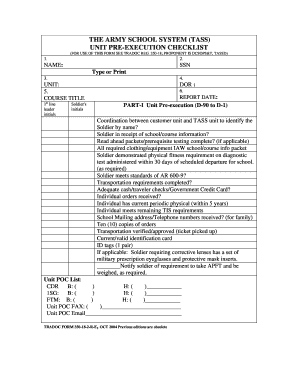
Steps to Complete the Activities of Daily Living - Checklist
Completing the checklist accurately is crucial for evaluating the individual's capability levels. Follow these steps for a comprehensive assessment:
-
Review Each Category:
- Begin by familiarizing yourself with the different sections of the checklist, including both ADLs and IADLs.
-
Assess Individual Tasks:
- Go through each task within the categories, evaluating performance levels. Examples might include observing a person's ability to feed themselves or manage household chores.
-
Rate Difficulty Levels:
- Rate each task based on the level of assistance needed. Use a standardized rating scale, such as 'Independent,' 'Needs Assistance,' or 'Dependent.'
-
Note Observations:
- Document any specific challenges or strengths observed during the assessment.
-
Summarize Findings:
- Compile the ratings and observations into a summary to identify areas of strength and those requiring support.
Key Elements of the Activities of Daily Living - Checklist
The checklist comprises several critical elements that ensure a thorough assessment:
-
Categorized Tasks:
- Tasks are divided into ADLs and IADLs for targeted evaluations.
-
Rating Scales:
- Standardized scales to assess difficulty and assistance levels required for each task.
-
Detailed Descriptions:
- Each task is clearly defined with examples to guide assessors in making accurate evaluations.
-
Observation Notes:
- Space for additional comments and observations to provide context to ratings.
These elements work together to provide a holistic view of an individual's daily living abilities.
Who Typically Uses the Activities of Daily Living - Checklist
The checklist is a vital tool used by a range of professionals and caregivers:
-
Healthcare Professionals:
- Doctors, nurses, and occupational therapists who need to assess patient capabilities and tailor care plans.
-
Social Workers:
- Individuals assisting in planning in-home support and community services for those in need.
-
Caregivers and Family Members:
- Those involved in day-to-day care who need to understand the level of support required in specific areas.
By employing this checklist, users can systematically evaluate functional abilities and address any support needs effectively.


Legal Use of the Activities of Daily Living - Checklist
In certain situations, the checklist may have legal implications:
-
Guardianship Cases:
- Used in legal evaluations to determine the necessity of appointing a guardian for individuals unable to perform essential daily tasks independently.
-
Insurance Claims:
- Utilized in claims involving long-term care or disability to establish the level of necessary care.
-
Healthcare Planning:
- Helps inform legal healthcare directives and care agreements.
Understanding the legal applications ensures the checklist is used accurately and ethically in decision-making processes.
State-Specific Rules for the Activities of Daily Living - Checklist
While the checklist provides a standardized assessment framework, some states may have specific considerations:
-
Variations in Assessment Criteria:
- Some states may adopt unique rating scales or additional criteria based on local healthcare regulations.
-
State Legislation:
- Legal use and acceptance of the checklist might be influenced by varying state laws regarding healthcare and elder care.
-
Credential Requirements:
- Certain states might mandate specific qualifications for individuals administering these assessments.
Awareness of state-specific rules ensures compliance and enhances the efficacy of the checklist.
Examples of Using the Activities of Daily Living - Checklist
Practical application examples illustrate the checklist's utility:
-
Case Study - Elderly Care:
- An elderly individual is assessed to determine the level of home care services required, noting difficulties in meal preparation and medication management.
-
Rehabilitation Scenario:
- Following an accident, a patient uses the checklist to track progress in regaining independence with personal grooming and transportation.
-
Disability Support:
- A young adult with developmental disabilities is evaluated to tailor a support plan focusing on improving IADLs like shopping and technology use.
These examples highlight the checklist's role in promoting independence and enhancing care strategies across different scenarios.
Software Compatibility
The checklist is compatible with various software platforms to facilitate easier data collection and integration:
-
Digital Format:
- Available in formats conducive to electronic documentation systems, enabling seamless integration with medical records.
-
Compatibility with Healthcare Software:
- Compatible with platforms like Epic or Cerner, allowing for efficient data recording and sharing.
-
Spreadsheet Integration:
- Usable in programs such as Excel for custom analysis and reporting.
Utilizing compatible software ensures that the checklist is adaptable to modern, digital healthcare environments, enhancing accessibility and efficiency.