Definition & Purpose of Rule 17.200—Form 227
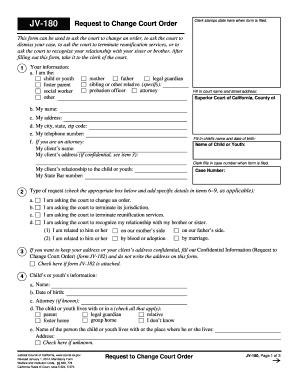
Rule 17.200—Form 227 is a legal document used in Iowa for requesting relief in cases of dissolution of marriage involving children. This form is crucial as it outlines the necessary information that petitioners and respondents need to submit to address child custody, child support, division of marital property and debts, spousal support, and other related issues. The purpose of this form is to ensure that all parties involved in the dissolution process are informed and that accurate, comprehensive information is provided to the court for fair adjudication.
How to Obtain Rule 17.200—Form 227
Form 227 can be accessed through the Iowa Judicial Branch's website, which often provides downloadable forms for various legal proceedings. Additionally, county courthouses may offer physical copies of the form. Individuals seeking this form can also consult a family law attorney in Iowa, who can provide not only the form but guidance on how to fill out and submit it properly. It's important to ensure you have the most current version of the form for compliance with any recent legal updates.
Steps to Complete Rule 17.200—Form 227
-
Personal Information: Enter your full name, address, contact information, and personal identifiers such as social security number, if required.
-
Marriage and Separation Details: Provide the date of marriage and separation, along with any previous court orders affecting the marriage or children.
-
Child Information: Include the names, ages, and living arrangements of any children involved in the dissolution process.
-
Financial Disclosures: Accurately detail income, expenses, assets, and debts. This section is crucial for decisions regarding support and division of property.
-
Relief Requested: Specify the nature of the relief sought from the court, whether it involves custody arrangements, child support, alimony, or division of property.
-
Signatures and Verification: Ensure all required signatures are in place and that any necessary notarization is completed.
Key Elements of Rule 17.200—Form 227
-
Child Custody and Visitation: Options regarding the physical and legal custody of the children, which may include sole or joint custody and detailed visitation schedules.
-
Child Support: Guidelines for establishing fair and adequate child support based on income, statutory guidelines, and children's needs.
-
Property and Debt Division: Instructions for dividing marital assets and liabilities, including joint bank accounts, properties, and outstanding debts.
-
Spousal Support: Conditions under which alimony may be granted, based on the length of the marriage, income disparities, and other relevant factors.
Legal Use of Rule 17.200—Form 227
Utilizing Rule 17.200—Form 227 in the legal process ensures that the court has a comprehensive understanding of all aspects of the marriage and the financial situation of both parties. This enables the court to make informed decisions regarding the fair allocation of responsibilities and rights post-dissolution. Legal experts recommend that the form be filled out with the assistance of a family law attorney to ensure accuracy and completeness.
Who Typically Uses Rule 17.200—Form 227
This form is primarily used by individuals who are undergoing a divorce or legal separation involving children in the state of Iowa. It is relevant for both petitioners seeking to initiate the process and respondents who need to provide their information and position regarding the proposed relief. Attorneys representing either party also utilize this form extensively to prepare their cases for court hearings.
Important Terms Related to Rule 17.200—Form 227
- Petitioner: The individual who initiates the request for dissolution.
- Respondent: The other spouse involved in the dissolution proceedings.
- Custody: Legal responsibility for the care and decision-making regarding children.
- Alimony: Financial support paid to an ex-spouse post-dissolution.
- Marital Asset: Property acquired during the marriage that is subject to division upon divorce.
State-Specific Rules for Rule 17.200—Form 227
Iowa has unique state laws governing marriage dissolution, including specific requirements for residency, filing procedures, and child custody considerations. Familiarity with these state-specific rules is vital, as they can impact the division of assets, determination of support, and enforcement of custody arrangements. It is often beneficial to consult with a legal expert who is well-versed in Iowa family law to navigate these state requirements effectively.