




01. Edit your form online
Type text, add images, blackout confidential details, add comments, highlights and more.

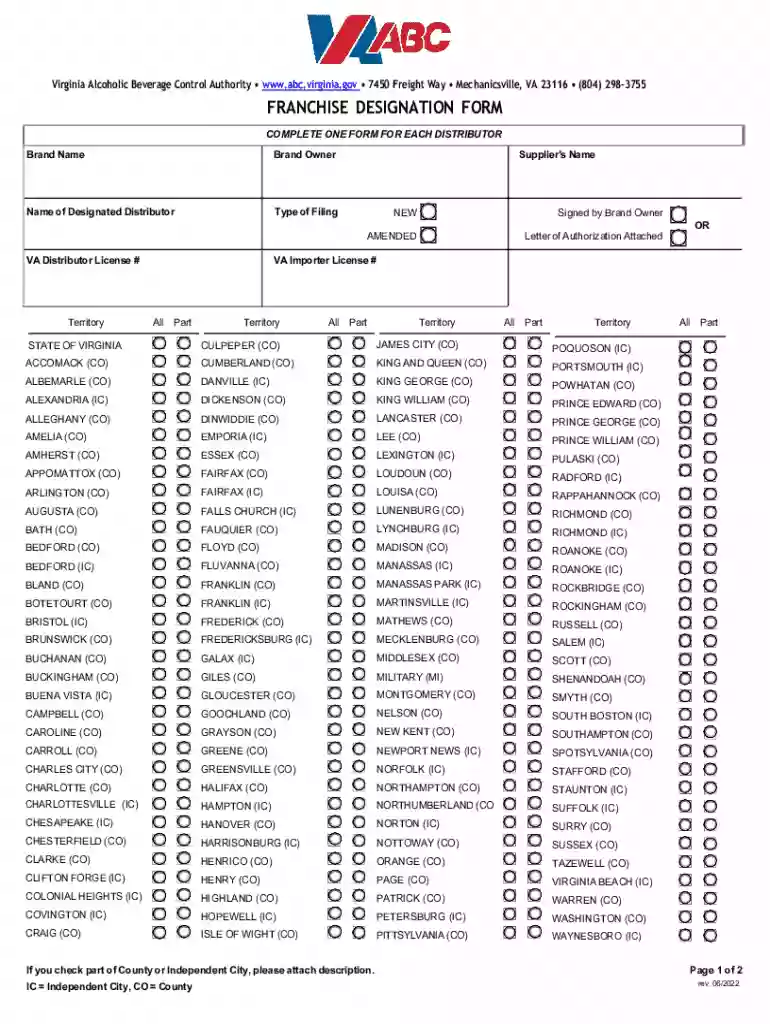
Type text, add images, blackout confidential details, add comments, highlights and more.

Draw your signature, type it, upload its image, or use your mobile device as a signature pad.

Send it via email, link, or fax. You can also download it, export it or print it out.
The term "DataWindow" refers to a dynamic and comprehensive tool used for managing and displaying data within certain software frameworks. It allows users to efficiently present data from underlying databases in a structured and customizable format. This tool is well-known for its ability to simplify data handling tasks by providing robust functionalities such as data retrieval, display customization, and transformation, without requiring extensive coding.
The DataWindow simplifies the complexity of data management in applications by enabling users to establish a connection with multiple data sources. Users can organize and edit data using a graphical interface, which is particularly beneficial in business applications where non-technical users need access to structured data manipulation. As a feature-rich component, the DataWindow supports various operations like filtering, sorting, and calculating aggregates, making it a versatile solution for data-centric tasks.
Using a DataWindow involves a series of systematic steps to effectively manage and display data. Here's a breakdown of how this is typically done:
Connecting to a Data Source: Initial setup involves linking the DataWindow to a data source, such as a database or a file containing structured data. Users usually define the connection string and select the desired datasets.
Designing the Layout: After the data source is connected, users can design the presentation layout. This involves selecting columns, arranging data fields, and customizing the appearance of data elements to ensure clarity and effectiveness in data display.
Configuring Data Retrieval: The DataWindow facilitates the configuration of SQL queries or other data retrieval methods. Users can set conditions and criteria that filter and sort the data, displaying only what is relevant.
Implementing User Controls: Users can add interactive components, such as drop-down lists or checkboxes, to provide dynamic data interaction within applications. This allows end-users to engage directly with the data.
Preview and Adjustments: It is crucial to preview the DataWindow to ensure the layout fulfills the objectives. Adjustments can be made based on the preview to rectify any display or data presentation issues.
The flexibility offered by the DataWindow enhances user experience and productivity by streamlining the data manipulation tasks in software applications.
To fully utilize the capabilities of a DataWindow, a systematic approach is essential. Here's a step-by-step guide to its completion:
Initiate the DataWindow Component: Begin by creating a new DataWindow instance within your application framework. Choose the type of DataWindow you require, such as a grid, graph, or tabular layout.
Select Data Source and Fields: Specify the data source and determine which data fields are necessary for your application. Organize these fields in the order they will appear within the DataWindow.
Design User Interface: Employ the graphical tools provided by the software to design the user interface, setting alignment, style, and size of data fields for optimal interpretation.
Define Business Logic: Integrate business rules within the DataWindow. This can involve data validation, conditionally formatting data based on specific criteria, and implementing computed fields.
Integrate Data Interactivity: Incorporate elements like buttons and input fields that allow users to interact with the data, such as filtering results or entering new data.
Testing and Refinement: Conduct thorough testing to check the functionality and accuracy of the DataWindow. Apply necessary refinements to address any usability or data display issues encountered during testing.
This structured approach ensures that the DataWindow is both functional and user-friendly, catering to the specific needs of its end-users.
When crafting a DataWindow, understanding the key elements involved is crucial for maximizing its potential. Here are some key components:
Data Source Connection: Establishing a reliable connection to the data source, which can be a database, spreadsheet, or other structured data repository.
Layout Editor: A robust layout editor allows users to position and style data elements within the DataWindow effectively.
Query and Filtering Tools: Tools for defining data queries and filters that ensure only relevant data is retrieved and displayed.
Interactive Controls: Components such as buttons, checkboxes, and dropdowns that facilitate user interaction and data manipulation directly within the DataWindow interface.
Presentation Format: Options for displaying data in different formats such as grids, lists, and charts for enhanced data visualization.
Each of these elements plays a vital role in the successful implementation and operation of a DataWindow, contributing to its usability and efficiency in data management tasks.
The DataWindow is predominantly used by professionals who engage regularly with data-driven applications. These include:
Software Developers: They employ DataWindows to integrate robust data handling capabilities within applications, allowing end-users to interact with large datasets seamlessly.
Business Analysts: These professionals use DataWindows for generating insights from complex datasets, enabling informed decision-making processes.
Data Managers: Data managers benefit from DataWindows by using its capabilities to manage and oversee data presentation and ensure data consistency across applications.
The versatility of the DataWindow makes it a valuable tool across multiple domains, particularly where data visualization and manipulation are essential.


DataWindow components are often integrated into software environments that support GUI frameworks and database interactions. Common integrations include:
Database Management Systems: DataWindows can easily integrate with systems like Oracle, SQL Server, and MySQL, allowing for a seamless data connection and manipulation experience.
Business Intelligence Tools: Many BI tools leverage DataWindow components to enhance data visualization and reporting functionalities.
Software Development Frameworks: DataWindow is compatible with several development environments including PowerBuilder, which initially introduced the concept of DataWindow.
Compatibility with a wide range of software systems increases the applicability and adaptability of DataWindows in different technological environments.
While traditionally, data management required extensive paper documentation, DataWindow represents a significant shift towards digital processes. Here are some distinctions:
Efficiency: Digital DataWindows facilitate real-time data updates and manipulation, unlike paper records that are static and require manual adjustments.
Accuracy: Automated processes within DataWindows reduce human error in data handling, ensuring higher accuracy compared to manual paper processes.
Cost and Space: Digital DataWindows save on physical storage costs and minimize paper usage, supporting more sustainable business practices.
Choosing digital over paper versions aligns with modern advancements in technology, promoting efficiency, accuracy, and sustainability in data management practices.
The versatility of DataWindow can be demonstrated through various practical examples:
Retail Management Systems: DataWindow is used to manage inventory data, track sales, and visualize performance metrics in real-time graphs and charts.
Healthcare Applications: In healthcare, DataWindow assists in managing patient records and visualizing treatment plans and outcomes through dynamic reports.
Financial Reporting: Financial analysts use DataWindow to compile and analyze financial data, generating visual reports that support strategic financial planning.
These examples illustrate how DataWindow's robust features can be applied across different fields to optimize data management and enhance operational efficiencies.
When integrating a DataWindow, particularly within regulated industries such as finance or healthcare, compliance with pertinent regulations is crucial. Failure to comply with data handling standards may result in:
Legal Penalties: Non-compliance with regulations such as GDPR or HIPAA can lead to significant legal fines and reputational damage.
Operational Disruptions: Inadequate data management compliance could lead to operational failures and loss of critical data, impacting business continuity.
Market Consequences: Companies may face market backlash and loss of consumer trust if sensitive data is mishandled.
Organizations must ensure their DataWindow implementations adhere to relevant legal standards, emphasizing security, privacy, and data integrity to avoid potential penalties.
We've got more versions of the DataWindow form. Select the right DataWindow version from the list and start editing it straight away!
At DocHub, your data security is our priority. We follow HIPAA, SOC2, GDPR, and other standards, so you can work on your documents with confidence.


