





Definition and Meaning of Form Online
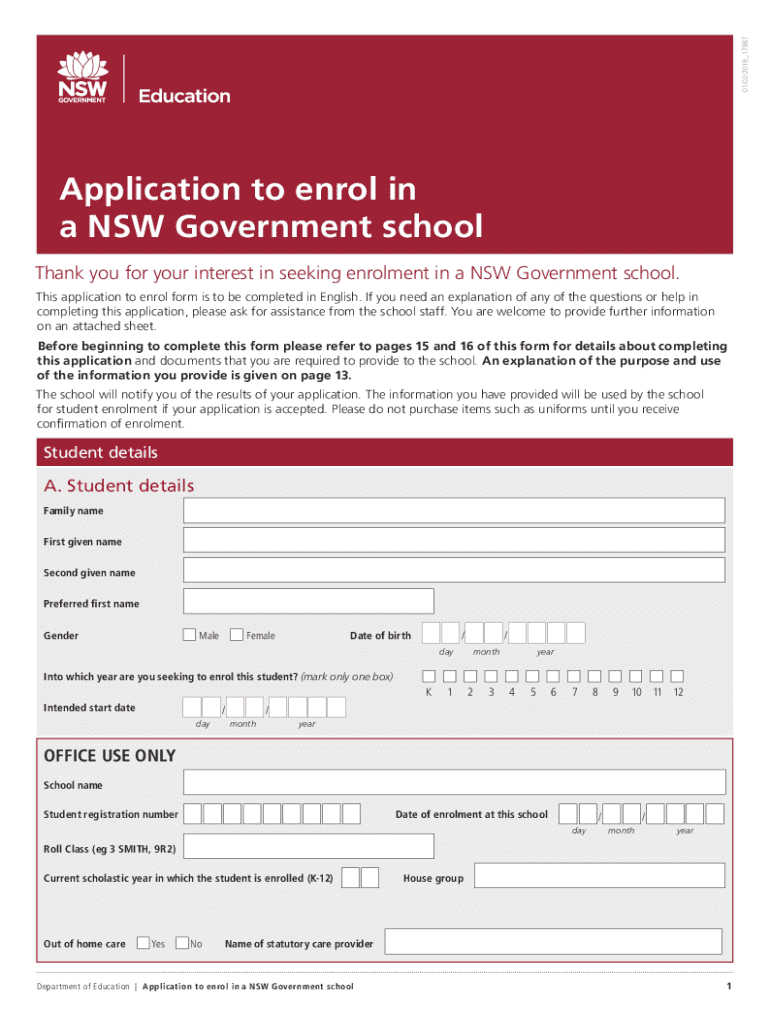
The term "form online" refers to digital documents that are filled, submitted, and often processed via the internet. These digital forms replace traditional paper-based forms, providing a more efficient and accessible way to collect and process information. They are widely used in various sectors such as education, finance, and government to streamline tasks that require information gathering or application submissions.
Benefits of Using Form Online
- Accessibility: Available anytime and anywhere with internet access.
- Efficiency: Reduces paperwork and processing time.
- Cost-effective: Saves money on printing and mailing.
- Environmentally Friendly: Decreases paper usage.
How to Use the Form Online
Using forms online typically involves a straightforward process to ensure user convenience. The steps can vary slightly depending on the platform or tool being used.
- Access the Platform: Navigate to the website or application hosting the form.
- Form Selection: Identify and choose the relevant form based on your needs.
- Data Entry: Input required information into designated fields.
- Review: Double-check information for accuracy.
- Submit: Send the form by clicking the submit button.
Considerations When Using Forms Online
- Ensure a stable internet connection to prevent loss of data.
- Have necessary documents ready for reference during data entry.
- Save your progress if the platform allows, to avoid restarting if you are interrupted.
Steps to Complete the Form Online
The process for completing a form online generally involves several key steps to ensure the submission is successful and all necessary information is included.
- Preparation: Gather all required documents and information before starting.
- Access and Login: Log into the website or application where the form is hosted.
- Complete Form Fields: Carefully fill in each section with accurate information.
- Attach Documents: Upload any necessary attachments or supporting documents.
- Confirmation: Check for any confirmation messages or emails that your form has been successfully submitted.
Troubleshooting Common Issues
- Form Won't Submit: Ensure all mandatory fields are completed.
- Uploaded Documents Not Accepted: Check file format and size requirements.
- No Confirmation Received: Verify submission by contacting customer support.
Who Typically Uses the Form Online
The use of online forms is common among various groups and sectors, each utilizing the system for specific purposes.
- Individuals: For personal applications such as job applications or school enrollments.
- Businesses: For internal processes like employee onboarding or client information gathering.
- Government Agencies: For public services, including tax filings and benefit applications.


Use Cases
- Educational Institutions: Student enrollment and course registration.
- Financial Services: Loan and credit card applications.
- Healthcare: Patient registration and medical history submissions.
Legal Use of the Form Online
Online forms frequently carry legal implications, especially when they involve agreements or submissions for official purposes. It is crucial to understand the legal framework governing these documents.
Key Legal Considerations
- Compliance: Ensure that data collection complies with laws such as the GDPR or CCPA.
- Authentication: Use verified identities to safeguard against fraud.
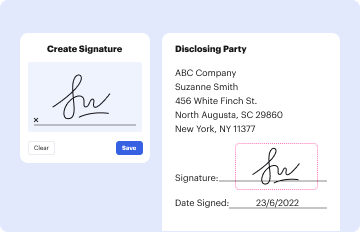
- Validity: Recognize that digital signatures may be as legally binding as handwritten ones, following specific legislation like the ESIGN Act in the United States.
Key Elements of the Form Online
Certain elements are typically included in online forms to ensure they gather all necessary information and provide a complete user experience.
- User Instructions: Clear guidelines on how to fill out the form effectively.
- Field Labels: Precise descriptions that guide what information is needed.
- Mandatory Fields: Denoted by asterisks or clear indicators to show essential information.
- Security Features: SSL encryption or two-factor authentication to protect user data.
Enhancements for User Experience
- Auto-save: Protects against data loss during form completion.
- Responsive Design: Ensures usability on various devices and screen sizes.
- Help Tools: Tooltips or FAQs to assist users in completing the form.
State-Specific Rules for the Form Online
Many forms differ based on jurisdictional requirements, especially in contexts like taxation or legal applications.
Examples of State Variations
- Tax Forms: State-specific forms for filing taxes, requiring attention to local tax laws.
- Permits: Building or business permits that vary in application based on state regulations.
- Benefits: Variations in state welfare or unemployment applications.
Required Documents for Form Submission
Submitting forms online usually requires additional documentation to validate the information provided.
Commonly Required Documents
- Identification Proof: Government-issued ID or passport.
- Financial Statements: For loan applications or financial aid.
- Proof of Residency: Utility bills or lease agreements.
Steps to Gather Required Documents
- Identify Required Documents: Refer to form instructions.
- Collect and Organize: Gather all pertinent documents.
- Scan and Save: Digitally capture documents in required formats.
- Attach: Upload documents during the form submission process.