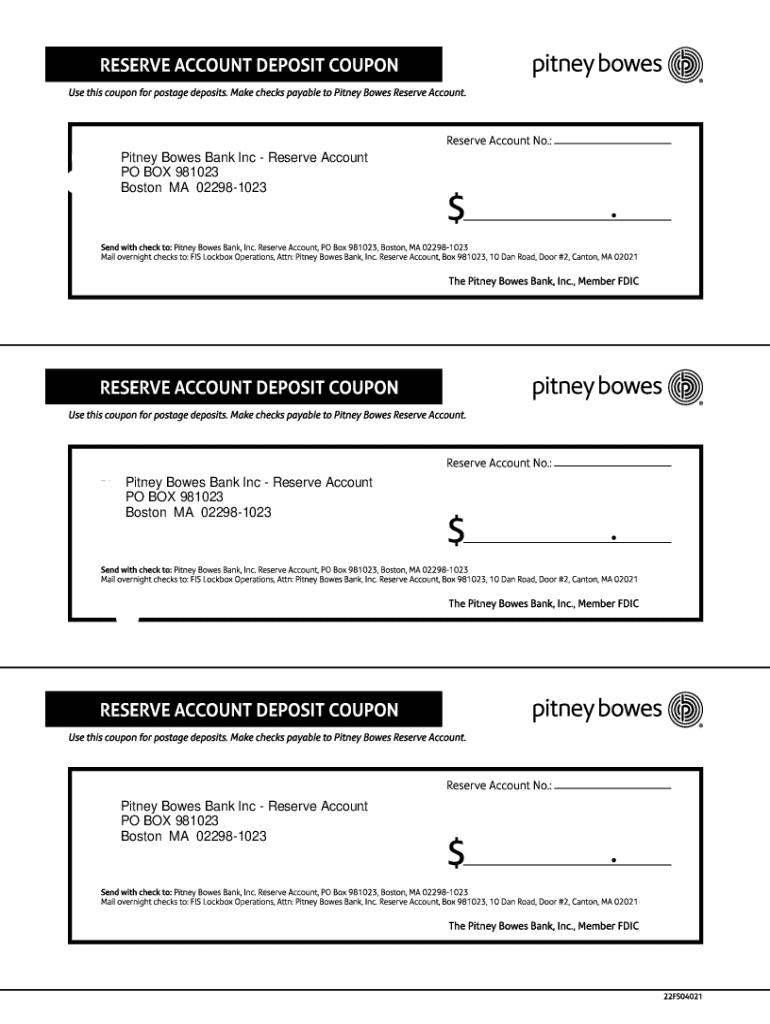







Definition & Meaning
The term "form online" refers to any document or application that can be completed and submitted electronically through the internet. These online forms are used across various domains, such as legal forms, tax submissions, job applications, surveys, and more. Their primary purpose is to streamline data collection and simplify processes that traditionally required physical paperwork. By utilizing digital forms, users can input and submit information quickly and efficiently without the constraints of location or time.
How to Use the Form Online
To use an online form effectively, follow these steps:
- Access the Form: Visit the website or platform where the form is hosted. It could be directly provided via a specific link or available through a particular service like DocHub.
- Fill Out Required Fields: Enter all necessary data accurately. Pay close attention to required fields marked with an asterisk or other indicators.
- Optional Attachments: Attach any documents or evidence as required. This may involve uploading scanned images, PDFs, or other files.
- Review Your Information: Double-check for typos and ensure that all information is accurate and complete.
- Submit the Form: Click the submit button to send the form. Confirmation messages often follow successful submissions.
Online forms frequently offer users the ability to save progress, allowing them to return later to complete the form before final submission.
Steps to Complete the Form Online
Here’s a more detailed guide on completing an online form:
- Log into the Platform: Access the form through a platform like DocHub, Google Forms, or a government website.
- Select Your Form Type: Choose the correct form category from the provided options, ensuring it aligns with your needs.
- Fill in Personal Information: This typically includes your name, contact information, and any identification details required by the form.
- Answer Specific Questions: Depending on the form’s purpose, answer all relevant sections. Use the provided formats, such as checkboxes or dropdown menus, when available.
- Include Necessary Attachments: For forms requiring documentation, click on the upload button to attach files directly from your device or cloud storage.
- Save Progress: Use the save option if you need to take a break and return later.
- Finalize Submission: Once reviewed, submit your form. A confirmation email or message confirms receipt, with potential next steps or actions.
These steps help ensure precision and prevent errors that could delay processing.
Key Elements of the Form Online
Online forms consist of various elements designed for comprehensive data collection:
- Text Fields: Spaces where users input text information. These can be single-line for basic information or multi-line for detailed responses.
- Checkboxes and Radio Buttons: Allow users to select single or multiple responses from the given options.
- Dropdown Menus: Provide a list of choices to streamline selection processes.
- Signature Fields: Often used in legal documents for signing electronically. Platforms like DocHub enable drawing or uploading a signature.
- File Uploads: Facilitate attachment of required documents, such as IDs or supporting materials.
- Submit Button: Completes the form process by sending all entered data for processing.
Understanding these elements helps users effectively navigate and complete forms online.
Who Typically Uses the Form Online
Various individuals and organizations employ online forms for myriad purposes:
- Businesses: Use online forms for onboarding, HR documentation, client intake, and feedback.
- Educational Institutions: Implement them for student applications, surveys, and course enrollments.
- Government Agencies: Facilitate tax and benefit applications, contributing to public service efficiency.
- Healthcare Providers: Utilize forms for patient registration, health surveys, and consent documentation.
- Nonprofits and NGOs: Conduct membership registration and volunteer applications through digital forms.
The adaptability and convenience of online forms cater to diverse audiences and sectors, underscoring their widespread adoption.


Important Terms Related to Form Online
Familiarity with related terminology can enhance user comprehension:
- Digital Signature: An electronic form of a signature that ensures document integrity and authenticity.
- Encryption: Security measure ensuring data protection during form transmission.
- Two-Factor Authentication: A security protocol requiring a second form of verification beyond just passwords.
- Workflow Automation: Processes that automate form distribution and completion tasks.
- Real-time Syncing: Capability allowing multiple collaborators to see updated information immediately.
These terms are integral within the context of online forms, enhancing process understanding.
Software Compatibility
Online forms often integrate seamlessly with various software services:
- Document Management: Systems like DocHub enable enhanced form functionality, including editing and signing.
- Cloud Platforms: Integration with Google Drive, Dropbox, etc., facilitates easy form access and storage.
- Accounting Software: Tools like QuickBooks can use forms for financial data collection and reporting.
- CRM Systems: Online forms integrate with customer relationship management tools to capture client data efficiently.
- ERP Solutions: Forms are used for resource management and data tracking within enterprise environments.
Compatibility with such software magnifies form usability, streamlining operations across different technological platforms.
State-Specific Rules for the Form Online
When dealing with online forms, especially legal and tax documents, it is crucial to recognize state variations:
- Regulatory Differences: Various states may have unique requirements regarding form submission protocols and data handling.
- Signature Legality: Rules regarding electronic signature validity can differ among states.
- Tax Form Variations: State tax forms might require additional specific data compared to federal forms.
- Compliance Standards: Ensure that forms meet all regional privacy and security legislation.
Understanding state-specific nuances ensures that forms meet all applicable guidelines and are processed without legal complications.