Definition & Meaning
The "I Recommendation Form Applicant Information Section" serves as a critical component of the recommendation process, capturing essential personal details of an applicant. This section offers a structured format for applicants to provide accurate information about their identity, contact details, and other relevant personal data. The purpose of this form is to ensure that all necessary applicant information is readily available for assessors or recommenders who will evaluate the individual's qualifications. A key aspect of this section is its standardized structure that guarantees consistency across submissions, aiding in efficient processing and verification.
Key Components of the Applicant Information Section
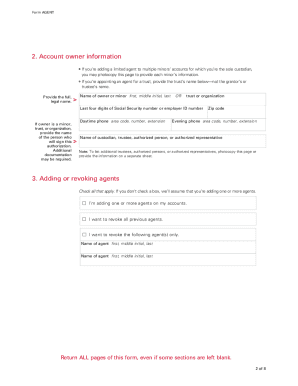
- Personal Identification Details: Includes fields for the applicant’s full name, date of birth, and social security number to reliably identify the individual.
- Contact Information: Collects the applicant’s address, phone number, and email for communication purposes.
- Academic or Professional Background: May request current employment details, educational history, or program affiliation pertinent to the recommendation.
Such an organized format not only helps in maintaining uniformity across submissions but also simplifies the process of data analysis for those reviewing the form.
How to Use the I Recommendation Form Applicant Information Section
Utilizing the applicant information section effectively involves accurately filling in each field with precise data. This ensures a comprehensive portrayal of the applicant’s background and facilitates a streamlined review process. Here are some pro tips:
- Ensure Accuracy and Completeness: Double-check all entered information for accuracy. Inaccuracies could lead to processing delays or misjudgments.
- Read Instructions Carefully: Some forms come with specific directives on how to fill certain fields. Adhering to these instructions is vital for a valid submission.
- Regular Updates: For programs with rolling recommendations, ensure that the information provided remains current to avoid discrepancies.
Practical Scenarios
- For Academic Recommendations: Clearly indicate current academic standing and the program being applied to.
- For Employment Contexts: List current job title, department, and professional references if requested.
This structured approach guarantees the form fulfills its purpose, providing a comprehensive overview of the applicant’s personal and professional circumstances.
Steps to Complete the I Recommendation Form Applicant Information Section
Completing this section is a systematic process that demands attention to detail. The steps below outline an effective method for filling out the form:
- Gather Required Information: Collect all necessary documents and details that relate to the fields present in the form.
- Follow Sequential Steps: Start with identification details and proceed to the contact and professional sections, adhering closely to the order on the form.
- Ensure Legibility for Paper Forms: If the form is physical, use capital letters and a black pen for clarity.
- Double-Check All Entries: Verify each entry to ensure correctness, focusing especially on critical data like the social security number and contact information.
- Provide Any Additional Required Documents: Attach any supplemental materials if specified by the form instructions.
By diligently following these steps, applicants can avoid submission errors that might otherwise impair their recommendation process.
Who Typically Uses the I Recommendation Form Applicant Information Section
This section is predominantly employed by applicants seeking admission into programs, particularly educational or professional development initiatives. Two primary audiences utilize this form:
- Prospective Students: Those applying to educational programs that necessitate recommendations, such as universities or specialized training modules.
- Job Seekers: Individuals seeking employment or career advancement opportunities where recommendations are a key part of the evaluation process.


Specific Cases
- Government Grants or Fellowships: Applicants might need this section completed when recommendations are prerequisites for funding approval.
In such cases, ensuring the form is filled accurately and comprehensively enhances the likelihood of a favorable evaluation.
Important Terms Related to the I Recommendation Form Applicant Information Section
Understanding specific terms associated with this form can assist applicants in accurately completing the section. Key terms include:
- Applicant Identifier: A unique code or number associated with the applicant, often required for tracking purposes.
- Endorser: The individual or entity providing the recommendation, whose name may appear within this section.
- Program Affiliation: The particular academic or professional initiative that the applicant is seeking entry into, which often needs specification.
Each of these terms has specific implications for how the form is completed and processed, so familiarity with them can significantly enhance the quality of the submission.
Key Elements of the I Recommendation Form Applicant Information Section
The applicant information section is composed of several key elements, each serving a distinct purpose:
- Identification Information: Primarily concerned with the applicant's personal details and vital statistics.
- Professional or Academic Details: Might include information about current employer or educational institution.
- Program-Specific Queries: Tailored questions related to the particular objectives of the program being applied to.
By focusing on each element, applicants can ensure they deliver a comprehensive and cohesive portrayal of their qualifications to assessors.
Form Submission Methods: Online, Mail, In-Person
Applicants have multiple options to submit their recommendation forms. Choosing the correct method can impact the processing time and outcome:
Online Submission
- Digital Form Completion: Use digital platforms like DocHub to fill and submit forms online, ensuring fast processing and ease of access.
- Document Verification: Utilize platform protocols to ensure all data is verified upon submission.
Mail Submission
- Print and Complete: Fill out the form, print it, and mail to the designated address.
- Tracking: Employ mail tracking to confirm receipt.
In-Person Submission
- Direct Delivery: Arrange to hand-deliver the completed form if urgency demands immediate submission.
Selecting the right submission method can depend on factors such as deadlines and the specific requirements of the program to which the applicant is applying.
Examples of Using the I Recommendation Form Applicant Information Section
Several real-world scenarios illustrate the application of this section:
- Graduate School Applications: Prospective students complete this form section to supply background details necessary for evaluating admission applications.
- Job References: Employment seekers might use the section within a larger recommendation package to provide essential personal information.
Through these examples, the versatility and necessity of the applicant information section are made clear, emphasizing its role in providing a consistent and equitable evaluation basis.
Eligibility Criteria
To effectively utilize the recommendation form's applicant information section, certain eligibility criteria may need to be satisfied:
- Association with the Program: An individual must be a current or prospective participant.
- Consent for Data Use: Providing consent for any personal data processed during the recommendation procedure.
Meeting these criteria not only ensures eligibility but also facilitates the recommendation process by clarifying expectations and responsibilities for applicants.