What is the difference between APHIS and USDA?
APHIS (Animal and Plant Health Inspection Service) isnt a separate entity from the USDA; its a key agency within the United States Department of Agriculture (USDA) that specifically focuses on protecting American agriculture and natural resources from pests, diseases, and invasive species, ensuring animal welfare, and regulating biological materials. Think of USDA as the large parent organization, and APHIS as a specialized division responsible for animal and plant health inspections and enforcement. Key Differences Relationship: USDA (United States Department of Agriculture): A broad federal department overseeing agriculture, food, rural development, and conservation. APHIS (Animal and Plant Health Inspection Service): A specific agency under the USDA that handles: Animal Health: Protecting livestock, pets, and wildlife from diseases (e.g., foot-and-mouth disease, avian influenza). Plant Health: Preventing the entry and spread of plant pests and diseases. Animal Welfare: Enforcing humane treatment standards. Import/Export Regulation: Managing permits and certifications for animal and plant products crossing borders. In Summary: You cant have APHIS without the USDA; APHIS is the operational arm of the USDA responsible for safeguarding our agricultural borders and resources from health threats, while the broader USDA encompasses many other areas like food safety (FSIS), nutrition (FNS), and farm support (FSA, NRCS). AI can make mistakes, so double-check responsesVeterinary Services - USDA-APHISLast Modified: February 23, 2026. APHIS Veterinary Services (VS) protects and improves the health, quality, and marketability of oAnimal and Plant Health Inspection Service (.gov)Laws and Regulations | Animal and Plant Health Inspection ServiceNov 17, 2025 Lacey Act (16 U.S.C. 3371-3378)The Lacey Act combats illegal trafficking of wildlife, fish, and plants by making it uAnimal and Plant Health Inspection Service (.gov)
What is an APHIS certificate?
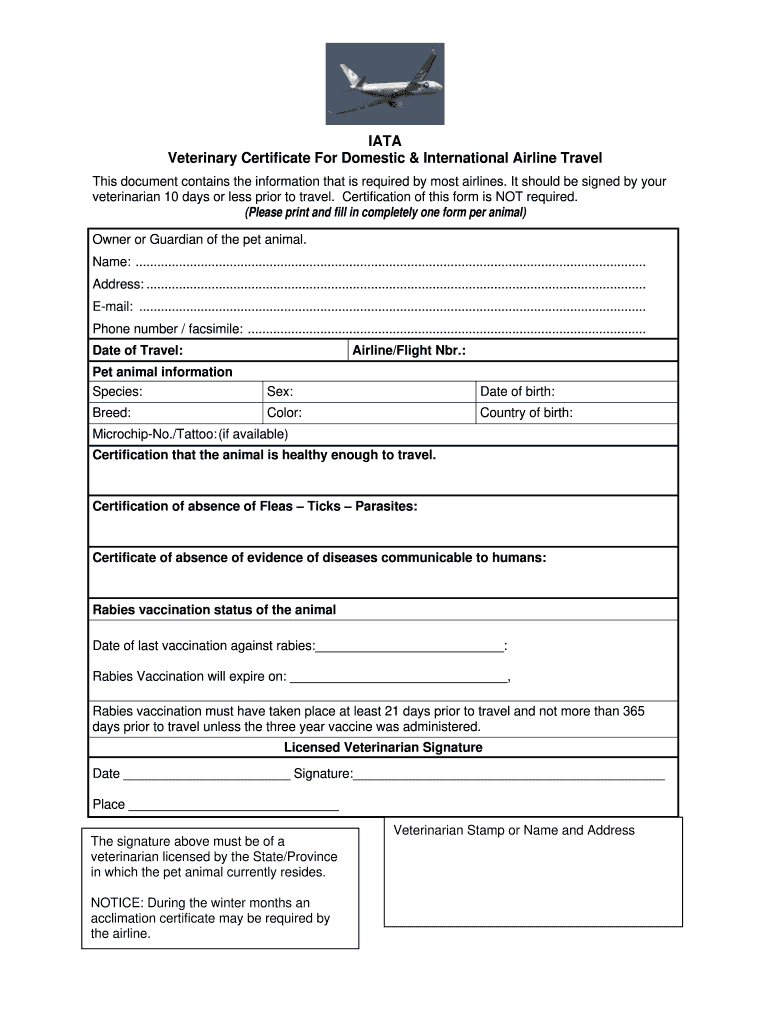
Issued by the USDAs Animal and Plant Health Inspection Service (APHIS), it certifies that a licensed veterinarian has examined your pet and found them healthy and fit for travel. While its widely recognized, the APHIS Form 7001 isnt the only option, or in some cases, even the right option, for your destination.Jan 26, 2026
How to get an Aphis certificate?
To get an APHIS certificate (usually for pet travel), you first find a USDA-accredited veterinarian, who uses the online VEHCS system to create the health certificate based on your destination countrys rules, then submits it to APHIS for endorsement (a physical stamp/signature), requiring a final hard copy for travel. The process involves specific pet health records, vaccinations, and meeting import requirements for your destination, with the vet handling most of the submission to APHIS. Heres a step-by-step guide: Contact Your USDA-Accredited Vet Early: As soon as you plan to travel with your pet internationally, find a USDA-accredited veterinarian. They are trained to handle these export certificates. Check Destination Country Requirements: Your vet will help you determine specific requirements (vaccinations, tests, microchip, timing) for your destination country using APHIS resources. Gather Pets Records: Have recent rabies certificates and microchip information ready, as these are crucial for the certificate. Vet Uses VEHCS: Your veterinarian uses the Veterinary Export Health Certification System (VEHCS) to create and submit the health certificate. APHIS Endorsement: APHIS then endorses the certificate (digitally or by stamping a hard copy), which must be signed and sealed by a USDA official. Receive Endorsed Certificate: Depending on the country, youll get a digital PDF or a hard copy back from your vet or APHIS. Travel with Hard Copy: A physical, endorsed copy of the certificate must accompany your pet during travel. Key Points: Accredited Veterinarian: Essential for issuing and submitting certificates. VEHCS: The online system vets use for submission. Endorsement: The required USDA stamp/signature. Timing: Certificates must be issued within a specific timeframe before travel. AI can make mistakes, so double-check responsesAPHIS Endorsement Offices by StateOption 1 (recommended): Use the Veterinary Export Health Certification System (VEHCS). Veterinarians can save time and money usingAnimal and Plant Health Inspection Service (.gov)Take a Pet From the United States to Another Country (Export) - usda aphisIf you are planning to take your pet from the United States to another country, contact a USDA-accredited veterinarian as soon as Animal and Plant Health Inspection Service (.gov)
What can you do with a vet certificate?
Veterinarians can be specialists in many areas, including behavior, ophthalmology, internal medicine, surgery, dentistry, and more.
How much does a certificate of veterinary inspection cost?
The cost for a Certificate of Veterinary Inspection (CVI) varies widely, from $25-$200 for domestic travel (interstate) to $500-$3,000 or more for international/Hawaii travel, depending on your vet, location, and the destinations strict requirements, which can involve extra exams, vaccinations, testing, and separate USDA endorsement fees. Domestic travel is generally cheaper, while international certificates are more complex and costly due to specialized needs and accreditation. Factors influencing cost: Travel Type: Domestic (continental US) is lowest, Hawaii is moderate/high, and international is highest. Veterinarian Fees: Your vet sets their own prices for the exam and paperwork. Additional Tests: Blood tests, parasite treatments, or microchipping add DocHub costs. USDA Endorsement: A separate fee for reviewing and endorsing international certificates. Destination Requirements: Countries like Hawaii, Japan, or Australia have very complex rules, driving costs up. Typical Cost Breakdown: Domestic (Continental US): $50 - $200 (includes exam). International/Hawaii: $500 - $3,000+ (includes exam, tests, treatments, endorsement). USDA Endorsement (International): Varies by tests, e.g., $160-$206 for 1-2 tests. Cost-Saving Tips: Use eCVIs: Electronic Certificates of Veterinary Inspection (eCVIs) through platforms like VSPS (USDA) can streamline the process and might reduce some administrative fees. Check Requirements Early: Understand all destination requirements before your vet visit to avoid surprises. AI can make mistakes, so double-check responsesDATCP Home Dog Sellers: Certificates of Veterinary Inspection FAQsHow much will it cost? The veterinarian fills out the CVI and the fee will vary based on your veterinarians rate.Wisconsin.Gov Home (.gov)Anyone know where I can get a pet health certificate and approximate Nov 28, 2021 Health Certificate Cost and Requirements: The cost and requirements for a pet health certificate are highly variable, RReddit r/Austin