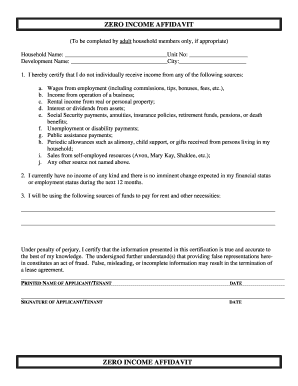
Definition & Meaning of the Income Tax and Benefit Return
The Income Tax and Benefit Return is an essential tax form used by individuals to report annual income, calculate taxes owed, claim deductions, and determine eligibility for tax credits. This document is crucial for accurate tax filing and compliance with federal tax regulations in the United States. It helps taxpayers summarize their financial activities for a given tax year and is instrumental in determining if they owe additional taxes or are eligible for a refund.
Key Components
- Total Income Reporting: Captures all sources of income, including wages, dividends, rentals, and any business income.
- Deductions and Credits: Provides space to detail deductions like mortgage interest and charitable contributions, as well as credits such as the Earned Income Tax Credit.
- Tax Calculations: Helps calculate federal taxes owed based on reported income and deductions.
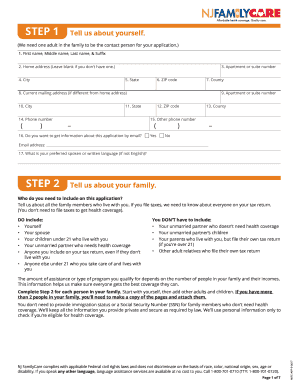
- Identification Information: Requires personal information, including name, Social Security number, and filing status.
How to Use the Income Tax and Benefit Return
Using the Income Tax and Benefit Return involves careful attention to detail to ensure all necessary information is accurately reported. Here’s a step-by-step approach:
- Gather Documents: Collect W-2s, 1099s, and records of other income and deductions.
- Complete Personal Information: Ensure all personal details are correctly entered.
- Report Income: Enter all income sources as collected throughout the year.
- Itemize Deductions and Credits: Identify all applicable deductions and credits to reduce tax liability.
- Calculate Taxes and Submit: Use the form to compute the total tax liability or refund amount and file with the IRS.
Steps to Complete the Income Tax and Benefit Return
Accurate completion of the Income Tax and Benefit Return is critical for compliance and benefits. Follow these steps:
- Start with Personal Details: Fill out the top section with your personal information.
- Report All Income: Use the appropriate sections to detail employment income, business income, and other income.
- Claim Deductions: Identify eligible deductions such as education expenses and medical costs.
- Calculate Credits: Determine eligibility for tax credits to potentially reduce tax owed.
- File the Return: Review the completed form for accuracy and submit it via the selected filing method.
Who Typically Uses the Income Tax and Benefit Return
The Income Tax and Benefit Return is primarily used by:
- Individuals and Families: Anyone earning income above the IRS's threshold for filing.
- Self-Employed Individuals: Those running businesses or working as freelancers.
- Retirees with Taxable Income: Including social security benefits or investments.
- Students: Who meet income requirements, possibly eligible for education credits.


Important Terms Related to the Income Tax and Benefit Return
Understanding common terminology is crucial:
- Adjusted Gross Income (AGI): Total gross income minus specific deductions.
- Standard Deduction: A flat dollar amount that reduces taxable income.
- Tax Credit vs. Deduction: Credits reduce tax owed, while deductions reduce taxable income.
- Withholding: Income tax withheld from wages by employers, applied against tax owed.
IRS Guidelines for the Income Tax and Benefit Return
The IRS provides guidelines to ensure correct filing:
- Record Keeping: Maintain records for at least three years from the date the return was filed.
- Amending Returns: Submit Form 1040X for corrections to previously filed returns.
- Taxpayer Assistance: Utilize IRS resources or tax professionals for guidance.
Filing Deadlines / Important Dates
Being aware of deadlines prevents penalties:
- April 15: The typical deadline for submitting federal tax returns.
- October 15: Deadline for those who filed for an extension.
- Quarterly Estimated Payments: For self-employed individuals, payments are due in April, June, September, and January of the following year.
Required Documents for the Income Tax and Benefit Return
Having the right documents is imperative:
- Income Statements: W-2s, 1099 forms, and other income documentation.
- Expense Records: Receipts for deductible expenses.
- Proof of Credits: Documentation supporting claimed tax credits, such as tuition statements.
Penalties for Non-Compliance
Failure to comply with tax filing duties can lead to:
- Late Filing Penalties: Charged at 5% of unpaid taxes per month, up to 25% of total unpaid taxes.
- Underpayment Penalties: Imposed if adequate tax is not paid throughout the year.
- Accuracy-Related Penalties: For negligence or substantial understatement of tax liability.
This thorough examination of the Income Tax and Benefit Return provides users with the insights and steps needed to handle their tax affairs competently and in accordance with IRS requirements.