





Definition & Meaning
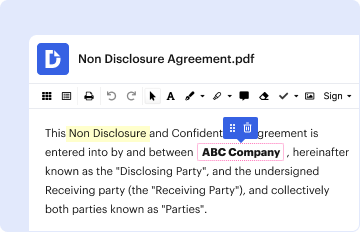
A form online refers to any electronic document or template that individuals or entities can complete and submit over the internet. These digital forms are designed to collect information in a structured manner, streamlining processes such as applications, registrations, surveys, and more. Unlike traditional paper forms, online forms offer flexibility, enhanced processing speed, and broader reach. Users can fill out these forms from any device with internet access, eliminating the need for physical paperwork and the associated logistical challenges. Common examples include tax submissions, application forms, and feedback surveys.
How to Obtain the Form Online
Obtaining a form online is typically straightforward. Most institutions, whether governmental or private, host their forms on official websites for easy access. Users can follow these general steps to download or begin an online form:
- Visit the official website of the organization offering the form.
- Navigate to the forms or documents section, often found in main menus or footers.
- Use search functionality if available, typing in specific terms related to the form you need.
- Click on the desired form to either download it as a PDF or fill it out directly on the website.
- Ensure that any software requirements, such as PDF readers or specific browsers, are met for seamless access and interaction.
Steps to Complete the Form Online
Completing a form online involves several critical steps that ensure all necessary information is accurately provided:
- Review Instructions: Begin by carefully reading any instructions or guides associated with the form. This will help in understanding the data requirements and any specific protocols to follow.
- Gather Information: Collect all required documents and data beforehand to streamline the process. This might include personal identification, tax records, or financial documents.
- Fill Out the Form: Enter the required information in the designated fields. Many forms will include sections for personal details, contact information, and purpose-specific queries.
- Validate Entries: Double-check the provided information for accuracy to prevent errors that could delay processing.
- Submit the Form: Once completed, follow the form’s submission procedure, which may involve pressing a 'Submit' button for immediate online submissions or downloading and printing for mail delivery if applicable.
- Receive Confirmation: After submission, a confirmation receipt or reference number is often provided, which should be saved for future reference.
Why You Should Use Online Forms
Choosing to complete forms online offers multiple advantages:
- Convenience: Online forms can be filled out from anywhere at any time, allowing users to manage their schedules flexibly.
- Speed: Digital submissions are faster, often processed in real-time without the delays typical of mail.
- Eco-Friendly: By reducing reliance on paper, online forms contribute to environmental sustainability.
- Accuracy: Digital forms often include built-in validation checks that reduce errors by guiding users to fill in all required fields correctly before submission.
- Cost-Effective: Eliminating the need for postage and physical materials can result in significant savings.
Key Elements of the Form Online
Understanding the typical components of an online form is crucial for efficient completion:
- Header Information: Usually includes the title of the form and the issuing organization’s logo.
- Instructions or Guidelines: Provide important context and step-by-step guidance to aid form completion.
- Input Fields: Places where users can enter data. These may include text boxes, checkboxes, dropdown menus, and radio buttons.
- Mandatory Fields: Certain inputs are required, indicated by asterisks or bold text. These must be filled out for the form to be valid.
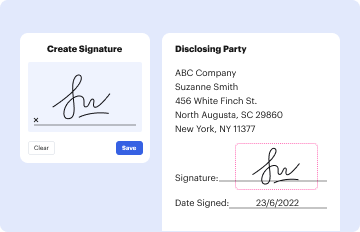
- Signature Box: For legally binding documents, there will often be a space for an electronic signature.
- Submission Section: Typically includes buttons or links for submitting the form directly or instructions for alternative submission methods.
Legal Use of the Form Online
Online forms are often subject to legal considerations, especially in contexts like contracts or regulatory compliance:
- Compliance with ESIGN Act: Many online forms need to adhere to electronic signature standards to ensure they are legally enforceable.
- Privacy Regulations: Forms must comply with privacy laws like GDPR or CCPA, especially when collecting personal data.
- Agreement Terms: Users may need to accept terms and conditions before submission, often via a checkbox indicating consent.
- Audit Trails: Online forms often include features to track submissions and document signatory actions for future reference.
State-Specific Rules for the Form Online
Certain forms may have state-specific regulations or requirements:
- Tax Forms: State tax forms can differ in terms of rates, deductions, and submission protocols.
- Business Applications: State requirements for business licenses or permits can vary significantly.
- Educational Forms: School admissions and scholarship applications often have different criteria based on state jurisdiction.
Understanding the variations can prevent compliance issues and ensure forms are correctly processed. Users should consult state-specific guidelines when applicable.
Software Compatibility
Online forms often require compatibility with certain software systems:
- PDF Readers: Many forms are provided in PDF format, necessitating software like Adobe Reader for access.
- Browsers: Compatibility with browsers such as Chrome, Firefox, or Safari ensures smooth interaction.
- Integration with Other Software: Some forms allow direct integration with platforms like Google Drive or Microsoft Office for easier data manipulation and storage.
Ensuring compatibility before beginning a form ensures a seamless experience and prevents technical disruptions during the completion process.




