







Definition & Meaning
The "Customs Advice for Worldwide Parcel Delivery Services" serves as a guide to navigating the complexities of international shipping regulations. It provides insights into customs requirements relevant for sending parcels globally, ensuring compliance with different countries' rules and regulations. This advice often includes information on required documentation, tariff classifications, duties, taxes, and restrictions on certain goods. The purpose is to facilitate smooth customs clearance, minimize delays, and prevent legal complications. For businesses and individuals sending parcels internationally, understanding these guidelines is crucial to avoid fines or seized shipments.
How to Use the Customs Advice for Worldwide Parcel Delivery Services
To effectively utilize customs advice, start by reviewing the specific guidelines for the destination country. This involves:
- Identifying restricted or prohibited items.
- Understanding duty and tax implications, which helps in preparing for any additional costs during shipment.
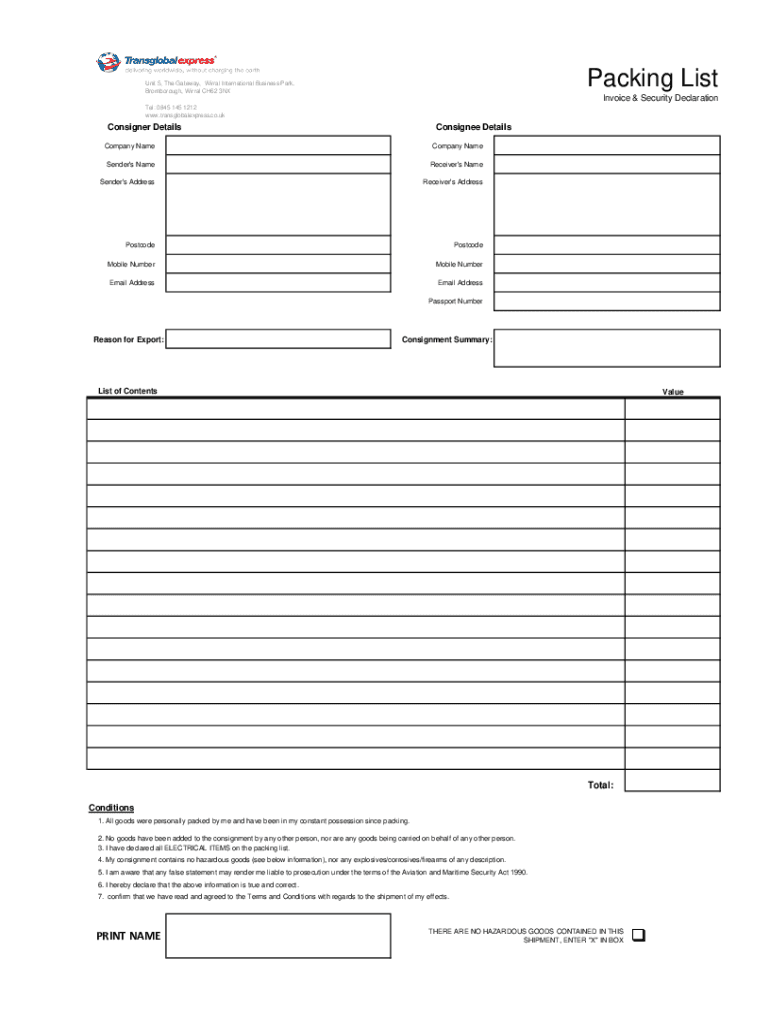
- Compiling the necessary documentation, including commercial invoices, packing lists, and certificates of origin.
- Consulting with a customs broker or using dedicated customs software to assist with declaring goods correctly.
For businesses, integrating this advice into the logistics process can enhance efficiency and compliance, reducing the chances of shipment delays and penalties.
Steps to Complete the Customs Advice for Worldwide Parcel Delivery Services
While customs advice is not a form to be filled out, applying the guidelines involves several key steps:
-
Research Destination Requirements: Use reliable sources to gather information on the customs regulations of the destination country.
-
Gather Necessary Documentation: Prepare all required documents, including export licenses and packing lists, tailored to the shipment's contents.
-
Declare Appropriate Information: Accurately declare the contents and value of the shipment to facilitate customs processing.
-
Label and Pack Appropriately: Ensure that parcels are correctly labeled with all necessary information and packaged securely to prevent tampering and damage.
-
Choose Reliable Shipping Partners: Collaborate with experienced shipping and logistics partners familiar with international customs processes.
-
Track Shipment Progress: Use tracking technologies to monitor the shipment and respond promptly to any customs queries or issues.
Key Elements of the Customs Advice for Worldwide Parcel Delivery Services
Understanding the crucial components of customs advice is vital for successful global shipping:
- Item Classification: Knowing how items are classified under international customs codes affects duties and taxes.
- Valuation of Goods: Correctly valuing goods determines the duties payable and avoids penalties for incorrect declarations.
- Compliance with Regulations: Adhering to health, safety, and environmental standards of the destination country.
- Licenses and Permits: Specific goods may require special permits for export or import.
- Documentation Requirements: Accurate and complete documentation is critical for hassle-free customs clearance.
Important Terms Related to Customs Advice for Worldwide Parcel Delivery Services
Familiarity with specific terms can simplify customs processes:
- HS Code: A standardized system for classifying traded products internationally.
- Incoterms: International commercial terms that define responsibilities between sellers and buyers in shipping transactions.
- Customs Duty: A tax imposed on imports to protect domestic industries and generate revenue.
- Tariff Rate: A tax rate applied to specific categories of goods being imported or exported.
- ATA Carnet: An international customs document permitting the temporary importation of goods.
Legal Use of the Customs Advice for Worldwide Parcel Delivery Services
Using customs advice legally necessitates adherence to international trade laws and regulations. Failure to comply can result in legal action, including fines and confiscation of goods. It is imperative to:
- Ensure all declarations are truthful and precise.
- Obtain any relevant licenses required for specific goods.
- Understand and comply with export control laws, especially for dual-use items that could have civilian and military applications.
Penalties for Non-Compliance
Non-compliance with customs regulations can lead to severe consequences:
- Monetary Fines: Penalties can be imposed for inaccurate declarations or underreporting values.
- Delayed Shipments: Incorrect filings or missing documents can stall customs clearance.
- Seizure of Goods: Unauthorized or misdeclared items may be confiscated by customs authorities.
- Legal Action: Persistent non-compliance might result in criminal charges for defrauding national customs departments.
Digital vs. Paper Version
Shippers have historically relied on paper-based systems but increasingly are shifting towards digital solutions:
- Digital Systems: Offer real-time tracking and updates, streamlined processes, and reduced environmental impact.
- Paper Versions: Serve as tangible records but may introduce delays due to manual handling.
Leveraging digital solutions can enhance efficiency, reduce costs, and improve compliance with dynamic customs regulations.




