






Definition and Historical Significance of Elvis's Haircut
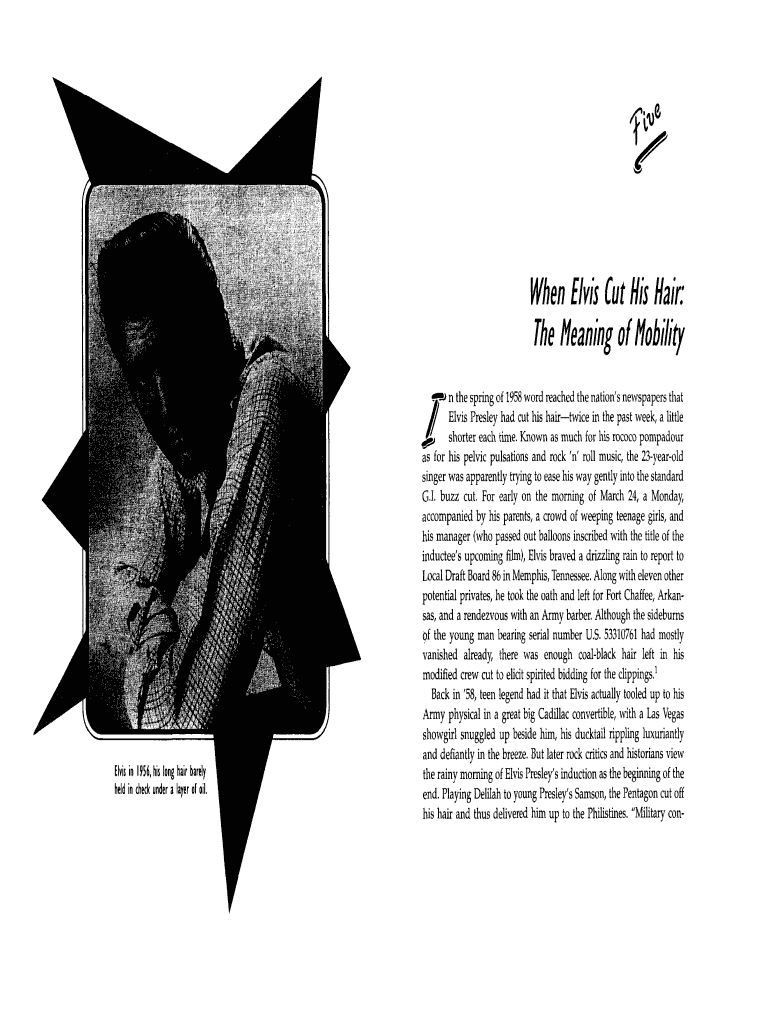
The phrase "When Elvis Cut His Hair" primarily refers to the cultural and historical event in 1958 when Elvis Presley, the iconic rock 'n' roll musician, had his hair cut as he entered military service. This haircut was not just a grooming decision but also a symbolic moment marking Elvis's transition from the rebellious image of a rock star to a more conventional military persona. The event holds significant cultural meaning as it represents the changing norms of masculinity and societal expectations during the 1950s in the United States. By cutting his hair, Elvis conformed to military standards, thereby setting a public example of duty and self-discipline during a time when youth rebellion was at its peak.
How to Use "When Elvis Cut His Hair" in Cultural References
In discussions about cultural history or societal shifts during the 1950s, "When Elvis Cut His Hair" serves as a case study or example of how public figures can influence societal norms and perceptions. It is often utilized in educational settings, documentaries, and media pieces to illustrate the intersection of celebrity influence and cultural expectations. The event is used to provide deeper insights into the era's transformation in terms of gender roles, media impact, and the blending of public and private personas.
Common Usage Contexts
- Academic Discussions: Used as a topic in courses examining post-war American culture.
- Media Analysis: Featured in documentaries to explore the impact of television on public perception.
- Cultural Commentary: Referenced in articles discussing the shifts in masculinity and grooming standards.
Why Elvis's Haircut Holds Historical Importance
Elvis's haircut is significant for more than its immediate impact; it symbolizes broader societal changes. During the Eisenhower era, the haircut served as a metaphor for the loss of rebellious spirit as youthful icons conformed to institutional expectations. This event highlighted how personal style choices can reflect larger cultural shifts. The situation epitomizes how entertainment figures play a pivotal role in shaping public discourse on masculinity, individuality, and conformity.
Impact on Public Perception
- Youth Rebellion: From being a symbol of defiance, Elvis's new look was a nod to convention.
- Masculinity Norms: The transition marked a shift in what was considered acceptable male grooming.
- Media Influence: The event underscored how television could amplify and shift public opinion.
Key Elements of the Event
Several components make the haircut an enduring subject of interest. Understanding these elements provides insights into why this moment continues to captivate audiences.
Components of the Haircut Event
- Media Coverage: Extensive television and newspaper coverage of the haircut amplified its impact.
- Military Enlistment: The haircut coincided with Elvis's induction into the U.S. Army, adding patriotic elements to his image.
- Fan Reaction: The reaction from fans showcased the deep personal connection and influence celebrities had during this period.
Relevant Terms and Concepts
Discussing "When Elvis Cut His Hair" involves a deep dive into various related terms and concepts. Familiarity with these can enhance the understanding of this historic event.
Important Terminology
- Conformity: Adapting to societal expectations, often discussed in reference to Elvis’s adherence to military standards.
- Rebellion: Representing youthful defiance, initially symbolized by Elvis's distinct style prior to the haircut.
- Cultural Shift: Larger changes in societal norms, with the haircut symbolizing a move towards more established norms.
Historical Examples of Using the Event in Media
Over the years, the significance of Elvis's haircut has been explored through various media forms, aiding in cultural understanding.
Examples
- Documentary Features: Studies and documentaries examining the 1950s often include this event as a pivotal moment.
- Biopics: Films about Elvis frequently highlight this moment to depict his life changes.
Versions or Alternative Interpretations of the Event
While the primary focus remains the haircut's cultural impact, alternative interpretations explore different aspects of this event.
Variant Perspectives
- Patriotic Symbol: Some narratives view the haircut as an act of patriotism, emphasizing Elvis's role in promoting national service.
- Fashion Evolution: Discussions highlight how this moment influenced men's grooming trends.
Digital Representation of "When Elvis Cut His Hair"
In the modern era, the depiction and analysis of this event often appear in digital formats, assisting in its preservation and study.
Digital Formats
- Online Articles: Widely available digital content dissects the haircut's meaning from various angles.
- Social Media Debates: Platforms allow fans and historians to speculate and discuss its enduring influence.