Understanding the Pattern Sheet
The Pattern Sheet serves as a structured template used across various industries to streamline processes and ensure uniformity in data collection. It acts as a foundational document that can be adapted to meet specific needs, ranging from fashion design to manufacturing, and even in documentation workflows. By offering a standard framework, the Pattern Sheet aids in maintaining consistency, reducing errors, and facilitating communication among team members.
Key Elements of the Pattern Sheet
A well-designed Pattern Sheet comprises several crucial components that ensure comprehensive information gathering:
- Title and Description: Clearly labels the pattern and provides an overview of its purpose.
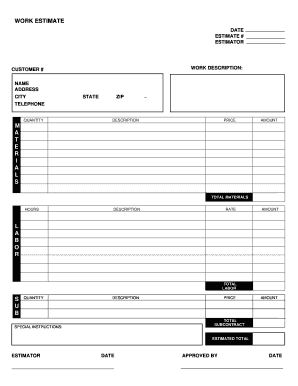
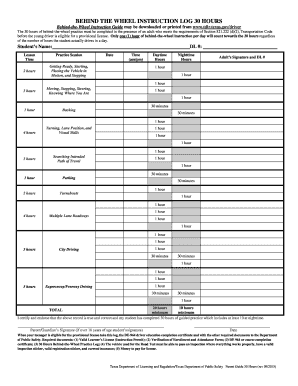
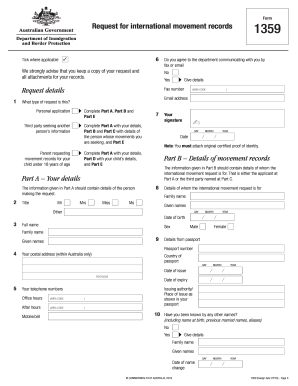
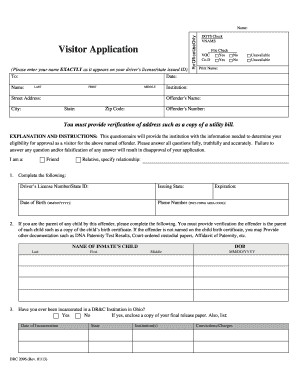
- Field Sections: Include areas for input such as measurements, materials required, and specific instructions or notes.
- Contact Details: Information about the individual or organization responsible for creating or managing the pattern, crucial for follow-ups or clarifications.
- Version Control: Helps identify updates or changes made over time, ensuring all stakeholders are working from the most current iteration.
These components work together to form a cohesive structure that supports diverse applications.
How to Use the Pattern Sheet
Using a Pattern Sheet effectively requires understanding its structure and functionality. Here’s a step-by-step guide:
- Preparation: Before filling out a Pattern Sheet, gather all necessary information and materials. This minimizes interruptions during the process.
- Input Data Accurately: Start with the title and move through the sections sequentially, ensuring each entry is accurate and complete.
- Review for Errors: Once completed, review the entire sheet to check for inconsistencies or errors, which could lead to mistakes in execution.
Using the Pattern Sheet efficiently ensures clarity and precision, essential for successful outcomes.
Steps to Complete the Pattern Sheet
Completing a Pattern Sheet involves the following steps:
- Fill Out Header Information: Include the pattern identifier, author, and date.
- Enter Data in Sections: Input required figures, descriptions, and choices in designated areas.
- Attach Supplementary Documents: If applicable, attach additional documents or references that support the data.
- Sign and Date: If used as a formal record, ensure the sheet is signed and dated by responsible parties.
These steps help maintain organized and reliable documentation.
Common Applications of the Pattern Sheet
Pattern Sheets are versatile and used across multiple domains. Key applications include:
- Fashion Industry: In fashion design, Pattern Sheets guide the creation of garments, detailing measurements, fabrics, and construction techniques.
- Manufacturing Processes: In manufacturing, they ensure parts are produced to specification by outlining dimensions and material requirements.
- Document Management: Platforms like DocHub utilize Pattern Sheets for creating structured digital forms, facilitating data collection.
Each application emphasizes the need for precision and clarity provided by the Pattern Sheet.
Who Typically Uses the Pattern Sheet
Various professionals and industries rely on Pattern Sheets, including:
- Designers: For structuring designs and specifications in fashion and product development.
- Engineers and Architects: To outline technical specifications and plans.
- Administrative Professionals: For organizing data collection or procedural instructions within organizations.
These users rely on Pattern Sheets for their ability to provide a clear and consistent framework.


Important Terms Related to Pattern Sheets
Understanding these terms can enhance the effective use of Pattern Sheets:
- Template: A pre-designed layout that serves as a starting point for creating documents.
- Data Field: Specific areas within the sheet designated for entering data.
- Annotation: Notes or comments added to clarify or provide context.
A solid grasp of these terms fosters better usage and application of Pattern Sheets.
Legal Use of the Pattern Sheet
When employing Pattern Sheets, it’s crucial to comply with legal standards and regulations, especially in sectors like healthcare or finance. Unauthorized use or distribution could lead to legal ramifications. Ensure all data collected and shared through Pattern Sheets is handled in accordance with applicable laws and ethical guidelines, preserving confidentiality and integrity.
Penalties for Non-Compliance
Failure to adhere to legal standards when using Pattern Sheets may result in:
- Fines and Penalties: Financial repercussions for violating regulations.
- Legal Action: Potential lawsuits or legal disputes.
- Loss of Accreditation: For organizations subject to regulatory oversights, compliance issues could result in revoked licenses or certifications.
Understanding these consequences underscores the importance of compliance.
Versions or Alternatives to the Pattern Sheet
Pattern Sheets may come in different versions or have viable alternatives depending on the context. Variations could include:
- Digital vs. Paper Versions: Adaptable formats to suit technological preferences or constraints.
- Custom Templates: Designed for specific applications or industries with particular needs.
- Alternative Documentation: Such as spreadsheets or specialized software tools that can achieve similar goals with enhanced functionality.
Exploring these options can lead to selecting the most effective tool for a given task, improving efficiency and accuracy.