





Definition and Meaning
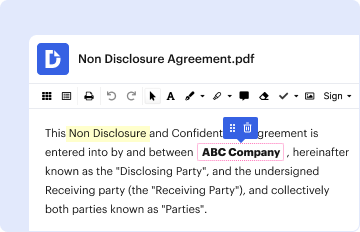
Filling out a form online refers to the digital process of completing a document that collects information for specific purposes, such as applications, registrations, or legal agreements. Online forms facilitate data collection and processing by allowing users to submit their responses electronically through web-based platforms. These forms can range from simple contact information requests to intricate financial disclosures.
Forms online are often embedded in websites or applications, providing convenience and accessibility for users. Unlike physical forms, online versions can incorporate real-time validation, ensuring that the information entered is complete and correctly formatted before submission.
How to Use the Form Online
Using an online form typically involves accessing a specific webpage or platform where the form is hosted. Users need to:
- Open the form on a compatible device, such as a computer, tablet, or smartphone.
- Carefully read the instructions or guidelines provided, if any, to understand the data required.
- Enter the necessary information in the relevant fields, which may include text boxes, checkboxes, dropdown menus, or radio buttons.
- Review the filled information for accuracy and completeness before submission.
- Submit the form by clicking the designated button, often labeled as "Submit" or "Send."
Users might also have the option to save a draft of the form for later completion or print a copy for their records. Online validation mechanisms ensure that required fields are completed appropriately, reducing the likelihood of errors.
Steps to Complete the Form Online
Completing an online form involves a systematic approach to ensure accuracy and completeness. Here are the typical steps involved:
-
Preparation:
- Gather all necessary information and supporting documents before starting.
- Understand the purpose and requirements of the form.
-
Accessing the Form:
- Navigate to the website hosting the form.
- Ensure secure access, verifying the URL and connection security.
-
Filling Out the Information:
- Enter data in the specified fields, respecting format requirements.
- Utilize tools like dropdown menus and checkboxes for selections.
-
Review and Edit:
- Thoroughly check all entries for errors or omissions.
- Correct any mistakes identified during the review.
-
Submission:
- Submit once satisfied with the accuracy.
- Look for confirmation messages indicating successful submission.
Key Elements of the Form Online
Online forms can vary in complexity, but they generally include several key elements to ensure they fulfill their intended function:
- Title and Instructions: Provide clarity on the form’s purpose and guidelines for filling it out.
- Input Fields: Where users enter their information, including personal details, financial data, or specific queries.
- Validation Features: Ensure data integrity by requiring certain formats or field completion before submission.
- Submission Button: Finalizes the form submission process, often sending data to a specified server or database.
- Feedback Mechanism: Confirms receipt or highlights errors, allowing users to make any necessary corrections.
By incorporating these elements, online forms provide an efficient way to collect user information while minimizing errors and inefficiencies.
Legal Use of the Form Online
Online forms are legally binding when properly executed, assuming compliance with relevant laws and regulations. Key factors that influence their legal standing include:
- Authentication: Verifying the identity of the form’s submitter through methods like passwords or digital signatures.
- Consent: Ensuring users are informed about the use of their data and providing an opt-in mechanism where necessary.
- Data Protection Laws: Compliance with frameworks like the General Data Protection Regulation (GDPR) or the California Consumer Privacy Act (CCPA) to ensure lawful data handling.
- Record Keeping: Maintaining accurate records of submissions, timestamps, and content for future reference or dispute resolution.
Legal recognition of online forms is dependent on these factors, thereby aligning with both national and international standards.
Important Terms Related to Form Online
To effectively navigate online forms, it’s beneficial to understand several important terms:
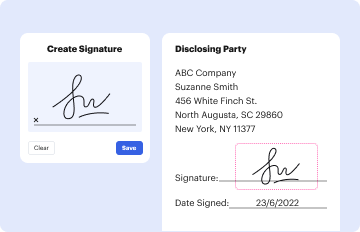
- Digital Signature: An electronic method of signing a form, often equivalent to a handwritten signature.
- Captcha: A challenge-response test to ensure the submitter is a human and not an automated bot.
- Responsive Design: Ensures that the form is accessible and functional across various devices and screen sizes.
- Field Validation: Techniques used to verify that the data entered is correct and complete.
These terms are fundamental to understanding and effectively using online forms.
Examples of Using the Form Online
Online forms are common in various scenarios:
- Job Applications: Applicants fill out employment forms online, providing personal and professional details to potential employers.
- Event Registrations: Attendees register for conferences, workshops, or webinars through online forms that capture attendance preferences and dietary restrictions.
- Surveys and Feedback: Organizations utilize forms to gather participant opinions or customer satisfaction insights.
- Legal Agreements: Digital forms enable individuals to enter into contracts, lease agreements, or consent forms securely online.
These examples illustrate the versatility and widespread application of online forms across different industries and applications.
Software Compatibility
Online forms often integrate with various software platforms to enhance functionality and user experience. Compatibility ensures these forms can work seamlessly on diverse systems:
- Integration with Office Suites: Allows users to import and export form data directly into applications like Microsoft Office or Google Workspace.
- API Support: Enables interaction with external services for data retrieval or submission, vital for enterprise-level applications.
- Cross-platform Usability: Ensures that forms perform well across different operating systems, such as Windows, macOS, or mobile OS like iOS and Android.
This compatibility ensures that users can engage with forms without technical barriers, enhancing efficiency and productivity.