




Definition and Meaning of Form Online
A form online is a digital document that allows users to input, submit, and manage information via the internet. These forms are commonly utilized for various purposes, including applications, registrations, surveys, and legal documentation. The transition from paper-based to online forms facilitates ease of access, better data management, and improved efficiency in collecting information. In a professional context, online forms serve as essential tools for businesses and organizations to gather accurate data while reducing paperwork and enhancing workflow processes.
Steps to Complete a Form Online
-
Access the Form: Users start by accessing the required form through a designated website or platform, such as DocHub. This may involve navigating through menus or using a direct link provided by the form issuer.
-
Review Instructions: It's crucial to review any provided instructions or guidelines about filling out the form. This step ensures you understand the required information and the format for inputting data.
-
Fill Out Personal Information: You generally begin by entering personal details such as name, address, and contact information. Ensure each field is completed accurately to avoid any delays or issues in processing.
-
Complete Relevant Sections: Follow the form's structure to provide specific information required for your particular application or documentation. This could involve additional sections like financial details, employment history, or educational background.
-
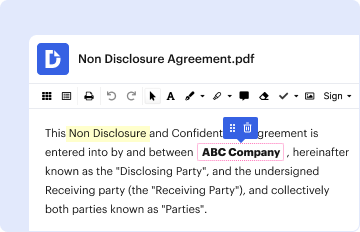
Review and Edit: Before submission, review the entire form for any errors or omissions. Platforms like DocHub provide tools for highlighting, commenting, and editing fields directly within the document.
-
Submit the Form: Once satisfied with the content, submit the form. This could involve clicking a 'submit' button, uploading the document to a portal, or sending it via email.
-
Confirmation and Tracking: After submission, you might receive a confirmation notification or reference number. Some platforms allow you to track the status of your submission to ensure it has been received and processed.
Important Terms Related to Form Online
-
Fillable Fields: Sections of an online form where users are expected to enter information. Common examples include text boxes, dropdown menus, and checkboxes.
-
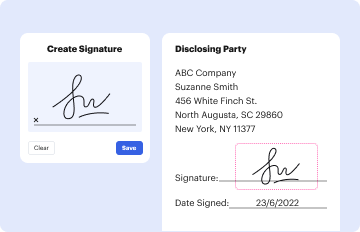
Electronic Signature (E-Signature): A digital version of a traditional signature used to validate and authenticate the signer's intent to sign the document. Online platforms like DocHub streamline this process by offering multiple e-signature options.
-
Data Encryption: The process of encoding information to protect user data from unauthorized access during transmission and storage.
-
Cloud Storage Integration: A feature allowing documents and forms to be directly uploaded to or accessed from cloud storage services such as Google Drive or Dropbox.
Steps to Obtain a Form Online
-
Identify the Need: Determine the specific type of form you require, whether it's for legal, educational, or personal use.
-
Research Sources: Visit the appropriate website or online platform known to provide the form. This might be a government website for tax forms or a business's portal for application forms.
-
Download or Access: Access the form by either downloading a PDF version to your computer or directly filling it out on the website.
-
Verify Authenticity: Ensure the source of the form is legitimate to avoid using fraudulent or outdated documents. Valid platforms often provide layout guides and additional resources related to the form.
-
Prepare Necessary Information: Gather all required information and documents needed for completing the form to streamline the filling process.
Why Use Form Online
-
Convenience: Online forms are accessible from any device with an internet connection, allowing users to fill them at their convenience without visiting physical locations.
-
Time Efficiency: With online forms, submission is immediate, reducing the waiting time associated with traditional mail services.
-
Automated Processing: Electronic forms usually feed directly into digital systems, facilitating faster processing and reducing the chance of human error common in manually entered data.
-
Environmentally Friendly: By using online forms, the reliance on paper is reduced, casting a positive impact on the environment by lowering paper waste and consumption.
Who Typically Uses Forms Online
-
Businesses: For activities such as recruitment processes, customer feedback, and legal agreements.
-
Educational Institutions: In managing admissions, student information, and feedback from parents and students.
-
Government Agencies: For tax filing, permit applications, voter registration, and more.
-
Individuals: Personal use cases such as applying for jobs, enrolling in courses, or any other situation where information needs to be submitted formally and securely online.
Creating and Managing Online Fillable Forms
Creating an online fillable form involves selecting appropriate fields and structuring the document to guide the user towards providing necessary information. Users can convert existing documents into fillable forms using tools like DocHub's Form Fields manager, which supports various field types, such as:
-
Text Boxes: For open-ended responses or personal data.
-
Checkboxes: Allow users to select multiple options.
-
Dropdown Menus: To provide a list of predefined choices for the user.
-
Signature Fields: For users to provide an electronic signature, ensuring the document's integrity and authenticity.
Each field can be assigned different properties, such as making them mandatory to ensure complete data collection before submission.
Business Types That Benefit Most from Form Online
-
Legal Services: Utilize online forms for client intake, agreements, and court filings.
-
Healthcare Providers: Use forms for patient registration, medical history, and consent forms.
-
Retail and E-commerce: Employ forms for order processing, customer feedback, and subscription management.
-
Real Estate: Agents and brokers use online forms for listings, contracts, and legal disclosures.
Implementing online forms into business processes helps in streamlining operations, enhancing customer interaction, and improving data management across various sectors.