





Definition and Meaning
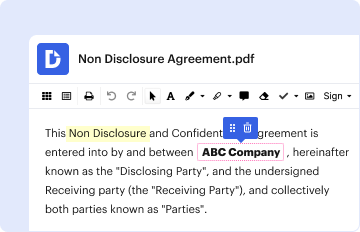
The concept of a "form online" refers to electronic forms that can be accessed, completed, submitted, and managed entirely via the internet. This digital evolution of traditional paper-based forms offers enhanced convenience and efficiency, allowing users to interact with forms without the need for physical documents. These forms can span a variety of purposes, such as applications, registrations, surveys, and contracts. By creating and utilizing forms online, organizations and individuals can streamline processes, reduce paper usage, and increase accessibility.
How to Use the Form Online
Using an online form typically involves several straightforward steps that simplify data collection and submission. Users first access the form through a web application like DocHub, where they can begin by familiarizing themselves with the form fields and requirements. Generally, online forms enhance the user experience by providing intuitive navigation and interactive elements that guide users through the completion process. They can input data directly into text fields, select options from dropdown menus, and mark checkboxes as needed. Once all required fields are completed, the form can be submitted electronically, often with the option to save a copy for personal records.
Steps to Complete the Form Online
- Access the Form: Navigate to the hosting platform, such as DocHub, to locate and open the form online.
- Review Instructions: Read any instructions or guidelines to understand the requirements and format of the form.
- Fill in Information: Enter the necessary details in the provided fields, ensuring accuracy and completeness. Use tools like text fields for entries and checkboxes for selections.
- Attach Documents: If required, attach any supplemental documents or files by using the upload functions available within the form interface.
- Verify Data: Double-check all entries for correctness, as errors can result in processing delays or rejections.
- Submit the Form: Finalize the submission by clicking the submit button. Confirm receipt of submission through an automated email or on-screen confirmation message.
Why Should You Form Online
Filing forms online is a beneficial practice for multiple reasons. Primarily, it enhances convenience by eliminating the need for physical signatures and manual handling of documents. In a fast-paced digital world, submitting forms online saves significant time and resources by facilitating the automation of workflow processes. Additionally, online forms often include validations that prevent errors and incomplete submissions, improving overall data accuracy. The digital submission also allows for immediate confirmation, reducing the waiting period associated with traditional mail processes.
Key Elements of the Form Online
Online forms typically consist of multiple elements crucial for precise data gathering and user interaction. These include:
- Text Fields: For entering specific details like names, addresses, and dates.
- Dropdown Menus: To select from predefined options, ensuring consistency in responses.
- Checkboxes: Useful for selecting multiple items or indicating agreement of terms.
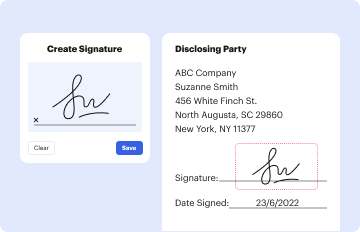
- Signature Fields: Enable electronic capture of signatures, providing legal authenticity.
- Date/Time Pickers: Allow for accurate date and time entries to meet deadlines. These elements are designed to facilitate ease of use, ensuring users can effortlessly navigate and complete necessary actions without confusion.
Legal Use of the Form Online
The legality of executing forms online hinges on adherence to digital signature laws like the ESIGN Act, which provides the same legal standing to electronic signatures as handwritten ones. Platforms like DocHub ensure compliance by implementing secure and legally binding electronic signing options. When completing legal forms online, users must ensure they understand the implications and validity of electronically sharing their information. Legal forms can include business contracts, lease agreements, and tax forms, wherein maintaining the integrity and confidentiality of the data is paramount.
Form Submission Methods: Online, Mail, In-Person
While the modern trend moves toward online submissions, various methods are available to submit forms:
- Online: The most efficient, allowing instant transfer and processing with real-time feedback and confirmation.
- Mail: Traditional method involving printing completed forms and sending them to the designated address. Typically involves longer processing times due to postal service transit.
- In-Person: Direct submission to authoritative or organizational offices; may include on-site verification or additional requirements. Choosing the appropriate method depends on the urgency, complexity, and required authenticity level for the form-type involved.
Examples of Using the Form Online
Real-world applications of filling out forms online are diverse, ranging from job applications and rental agreements to tax filings and membership sign-ups. For instance, professionals seeking new opportunities can upload resumes and fill job forms online, streamlining their application experience. Similarly, businesses can digitize forms related to client intake or service agreements, making the process more efficient and accessible. Educational institutions may use online forms for student admissions or survey feedback, making information collection far more effective than paper-based equivalents.