





Definition and Meaning
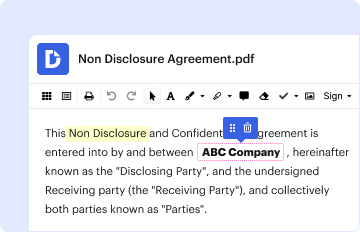
Forms online refer to the digital versions of traditional paper forms, utilized for a wide array of purposes such as tax submissions, legal documentation, and application processes. These forms are designed to facilitate the capture and processing of information electronically, streamlining the interaction between users and organizations. Digital forms can be found on governmental websites, e-commerce platforms, educational institutions, and other organizational sites, offering a convenient way for users to input necessary data from any internet-enabled device.
Forms online can encompass a range of fields for users to complete, including text input boxes, dropdown menus, checkboxes, and digital signature fields. They are often interactive, with functionalities that guide users through the completion process, ensuring that no required fields are missed. This is crucial in professional environments where accuracy and compliance with submission standards are vital. Moreover, online forms can be automatically processed and validated, reducing errors commonly associated with manual data entry.
How to Use the Form Online
When using an online form, users typically follow a structured sequence to ensure accurate completion. Start by accessing the form through the respective website or platform where it's hosted. Most digital forms will provide visual cues or instructions to guide users. It's important to first review the entire form to understand the information required.
- Navigation: Online forms often allow users to navigate easily between sections. Use the 'Next' or 'Back' buttons to move through the form without losing entered data.
- Validation Checks: Many forms have built-in validation checks to prompt users if required fields are incomplete or if incorrectly formatted data is entered, like invalid dates or email addresses.
- Saving Progress: Some platforms allow users to save progress and return later, ensuring that interruptions don't require restarting from scratch.
- Submission: Once the form is complete, look for a 'Submit' button, ensuring all data is reviewed and verified before hitting this option.
How to Obtain the Form Online
To obtain a form online, users must typically navigate to the appropriate website or platform that hosts the form. Here are common steps:
- Identify the Source: Know the issuing authority or organization and visit their official website.
- Search Functionality: Utilize search bars or navigational menus on the website to locate the specific form. Keywords such as the form name or number can aid this search.
- Download or Direct Access: Some forms may be downloadable for offline completion, while others are designed for direct interaction within the web browser itself.
- Account Requirement: Occasionally, creating an account or logging into an existing one is necessary to access specific forms, particularly if the form is connected to personal or confidential data.
Steps to Complete the Form Online
Completing a form online involves several stages to ensure the form is both accurately and thoroughly filled out:
- Preparation: Gather all necessary documents or information needed to complete the form. This preparation step helps streamline the filling process and reduces the need for interruptions.
- Data Entry: Start by entering data into all required fields. These are usually marked with asterisks or highlighted to indicate necessity.
- Double-Check Information: Before submitting, review all information for accuracy to avoid errors or omissions that could delay processing.
- Submit and Confirm: After submission, confirm the form has been received, either through an on-screen confirmation or email notification. Some platforms might allow users to print or save a copy of the completed form for their records.
Who Typically Uses the Form Online
Online forms are used by a diverse range of individuals and organizations:
- Individual Users: Often for tasks like job applications, tax filings, or government service requests.
- Businesses: To collect data from clients or employees efficiently, automate data processes, and maintain digital records.
- Educational Institutions: For student applications, admissions, and other administrative purposes.
- Government and Legal Entities: To streamline service delivery and ensure compliance with regulatory requirements through easy submission processes.
Using forms online caters to individuals and organizations seeking convenience, efficiency, and effective data management.


Key Elements of the Form Online
The core elements commonly found in online forms include:
- User Interface: Designed to be user-friendly and intuitive, making navigation and data entry straightforward.
- Form Fields: Various input types such as text boxes, radio buttons, checkboxes, and dropdown menus to capture a wide spectrum of information.
- Instructions and Tooltips: Provide users with guidance and clarity on how to fill out sections correctly, enhancing the overall user experience.
- Validation Mechanisms: Ensure data accuracy by prompting users to correct errors before submission.
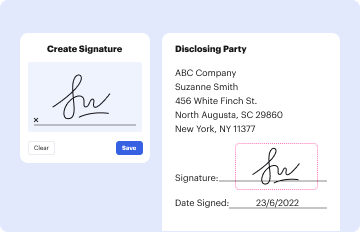
- Digital Signatures: Many forms include options for secure digital signing, eliminating the need for paper-based processes.
State-Specific Rules for the Form Online
Depending on the nature of the form, state-specific rules may apply. For example, when filling out tax forms or legal documentation, understanding state guidelines is essential:
- Unique Requirements: Some states have specific requirements or additional fields that must be considered when completing forms online.
- Compliance and Legislation: Certain forms may be subject to state legislation, requiring users to comply with state-specific laws or regulations.
- Localized Instructions: It's not uncommon for forms to include instructions tailored to state-specific contexts, ensuring users provide data in line with local expectations.
Digital vs. Paper Version
There are significant differences between digital forms and traditional paper forms:
- Accessibility: Digital forms offer greater accessibility, allowing users to fill them out from anywhere with internet access, contrasting with the need for physical handling in paper forms.
- Efficiency: Online forms streamline processes by enabling quick data entry and submission, contributing to faster processing times compared to their paper counterparts.
- Environmentally Friendly: Reducing paper usage aligns with environmental goals, making digital forms an eco-friendly alternative.
- Data Management: Electronic records from digital forms facilitate easier data storage, retrieval, and analysis than physical records, which can be cumbersome to manage.
Digital forms present numerous advantages, making them a preferred choice for many modern processes.