Definition and Meaning
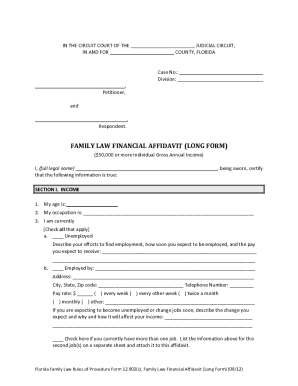
The "sample proposed order California" is a legal document commonly used in the California Superior Court system. It is presented during court proceedings where a party needs to propose an order for the judge’s consideration. This document outlines the terms and conditions that one party seeks to have lawfully enforced, necessitating judicial review and approval. It's particularly relevant in cases involving petitions, such as the example involving the California Corporations Commissioner.
How to Use the Sample Proposed Order California
To effectively use the sample proposed order in California, one must follow a structured approach:
- Draft the Proposal: Write the proposed order, outlining the requested legal actions or requirements.
- Incorporate Legal Justifications: Include supporting legal rationale or citations pertinent to California law.
- Customize for Case Specifics: Adapt the sample to address the unique aspects of the case at hand, ensuring all details relate to the specific legal matter.
- Review and Revise: Thoroughly review for clarity and completeness, potentially seeking feedback from legal colleagues or experts.
- Submit to Court: File the order with the appropriate California Superior Court, following the court's guidelines for submission.
Steps to Complete the Sample Proposed Order California
Completing a proposed order involves several meticulous steps to ensure it's comprehensive and acceptable by the court:
- Identify Required Information: Gather all pertinent information related to the case, including parties involved, case numbers, and legal issues.
- Fill Out Appropriate Sections: Accurately complete each section of the order with clear and precise information.
- Attach Supporting Documents: Include any necessary exhibits or affidavits that support the proposed terms.
- Proofread for Errors: Check for any grammatical or legal inconsistencies to maintain professional and legal integrity.
- Submit for Judicial Review: Deliver the completed order to the court for a judge's assessment and possible revision before final approval.
Important Terms Related to Sample Proposed Order California
Understanding key legal terms is vital when dealing with a proposed order:
- Petitioner/Respondent: Individuals or parties involved in the legal proceedings.
- Jurisdiction: The authority given to courts to hear and decide cases.
- Compliance: Adhering to a court's order or a legal mandate.
- Subpoena: A legal document requiring an individual to testify or produce evidence.
- Affidavit: A written statement confirmed by oath, used as evidence in court.
Legal Use of the Sample Proposed Order California
The proposed order serves as a formal request to the court for specific judicial action:
- Enforcing Document Production: Used when parties fail to comply with document subpoenas, as in cases involving corporate entities.
- Scheduling Legal Hearings: Establishes timelines for proceedings, ensuring due process.
- Defining Obligations: Specifies duties or actions required by involved parties, aimed at maintaining legal obligations.
Key Elements of the Sample Proposed Order California
Key elements ensure the order is complete and lawful:
- Heading: Includes the court's name, case number, and involved parties.
- Title of the Document: Clearly stating "Proposed Order" for clarity.
- Detailed Terms: A thorough account of the proposed legal actions and their rationales.
- Signatures: Spaces for both the proposing party and the approval of the presiding judge.
Who Typically Uses the Sample Proposed Order California
The use of a sample proposed order is widespread among:
- Attorneys: Legal professionals crafting proposals during litigation.
- Corporate Legal Teams: Addressing regulatory compliance issues, as seen in corporate subpoenas.
- Self-Represented Litigants: Individuals without legal representation who require court-ordered relief or actions.


Filing Deadlines and Important Dates
Adhering to deadlines reinforces the legitimacy of the order:
- Court-Specific Deadlines: Each court may have its timeline for submission.
- Notification Periods: Adequate time must be allowed for other parties to review and respond to the proposed order.
- Compliance Dates: Any specified compliance dates within the order must be realistic and enforceable.
State-Specific Rules for the Sample Proposed Order California
Recognizing California-specific legal nuances is essential:
- California Code of Civil Procedure: Governs the procedural requirements for filing orders.
- State Legal Precedents: Familiarity with prior judgements that may impact the judge’s decision.
- Judicial Forms: Utilize state-sanctioned forms where applicable to ensure consistency with legal expectations.