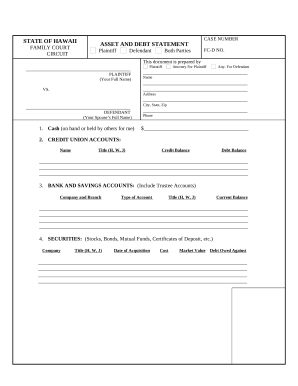
01. Edit your 170 6 peremptory challenge form of colusa superior court ca online
Type text, add images, blackout confidential details, add comments, highlights and more.

Type text, add images, blackout confidential details, add comments, highlights and more.

Draw your signature, type it, upload its image, or use your mobile device as a signature pad.

Send ccp170 6 via email, link, or fax. You can also download it, export it or print it out.
The 170.6 peremptory challenge form of Colusa Superior Court CA, commonly known as a "peremptory challenge," is a legal tool used to request the disqualification of a judge perceived as biased from a particular case. This formality ensures a fair trial by allowing litigants the opportunity to have their case heard by an impartial judge. In the context of California courts, the challenge is governed by Section 170.6 of the California Code of Civil Procedure, which permits either party in a lawsuit to unilaterally dismiss a judge from presiding over their trial if they believe that the judge has shown bias or prejudice that could affect the fairness of the trial.
Access the Form: Obtain the 170.6 peremptory challenge form either online from the official Colusa Superior Court website or through in-person visits to the courthouse.
Complete the Form: Fill out the form with the necessary information, including the case number, the name of the judge to be challenged, and a statement affirming the belief in the judge's bias or prejudice.
Timing: Ensure the form is filed promptly. Typically, the challenge must be presented before the trial begins or as soon as the judge is assigned to the case.
Filing Process: Submit the completed form to the clerk of the court. Procedures may vary slightly, so it's advisable to check with the court for specific submission guidelines.
Confirmation: After submission, obtain confirmation of the challenge's acceptance and wait for the court's decision on assigning a new judge.
Identify the Case and Judge: Start by clearly identifying the case number and the name of the judge being challenged. This information is critical in processing the form correctly.
Fill Personal and Case Details: Enter your personal details, including name and contact information, along with the specifics of the case.
Statement of Belief: Write a concise statement indicating your belief that the judge in question cannot provide an impartial trial. The law does not require evidence of bias, but the statement should be earnest and in good faith.
Sign and Date the Form: Ensure that the form is signed and dated, confirming the accuracy of the information provided.
Submit: Present the completed form to the appropriate court office. Depending on local rules, this can often be done in person or via mail.
Using the 170.6 peremptory challenge form can be crucial in safeguarding the equity of the legal process. It serves to eliminate the possibility of judicial bias affecting the outcome of your case, ensuring the legal proceeding remains fair and just. This form is not just a procedural tactic; it is a fundamental right designed to protect defendants' and plaintiffs' interests by guaranteeing a neutral forum for dispute resolution.
This form is most commonly utilized by:


The legal basis for the 170.6 peremptory challenge is deeply rooted in California law. It provides an essential procedural remedy to ensure that all parties have access to a fair trial. This legal motion does not require any evidence aside from the sworn belief in the judge's prejudice, making it a powerful tool. However, litigants must adhere to strict timelines and filing procedures to ensure the motion is accepted and a new, unbiased judge is assigned.
While California’s use of the peremptory challenge is standardized across the state, there are nuances and procedural differences in its implementation:
Understanding these rules can prevent procedural dismissal of the challenge due to improper filing or delays.
We've got more versions of the 170 6 peremptory challenge form of colusa superior court ca form. Select the right 170 6 peremptory challenge form of colusa superior court ca version from the list and start editing it straight away!
| Versions | Form popularity | Fillable & printable |
|---|---|---|
| 2010 | 4 Satisfied (34 Votes) |
At DocHub, your data security is our priority. We follow HIPAA, SOC2, GDPR, and other standards, so you can work on your documents with confidence.