






Definition & Meaning
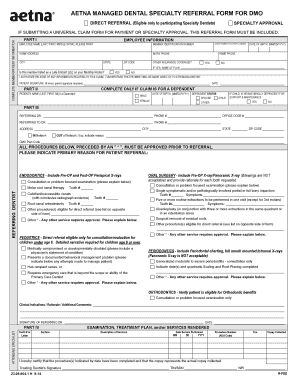
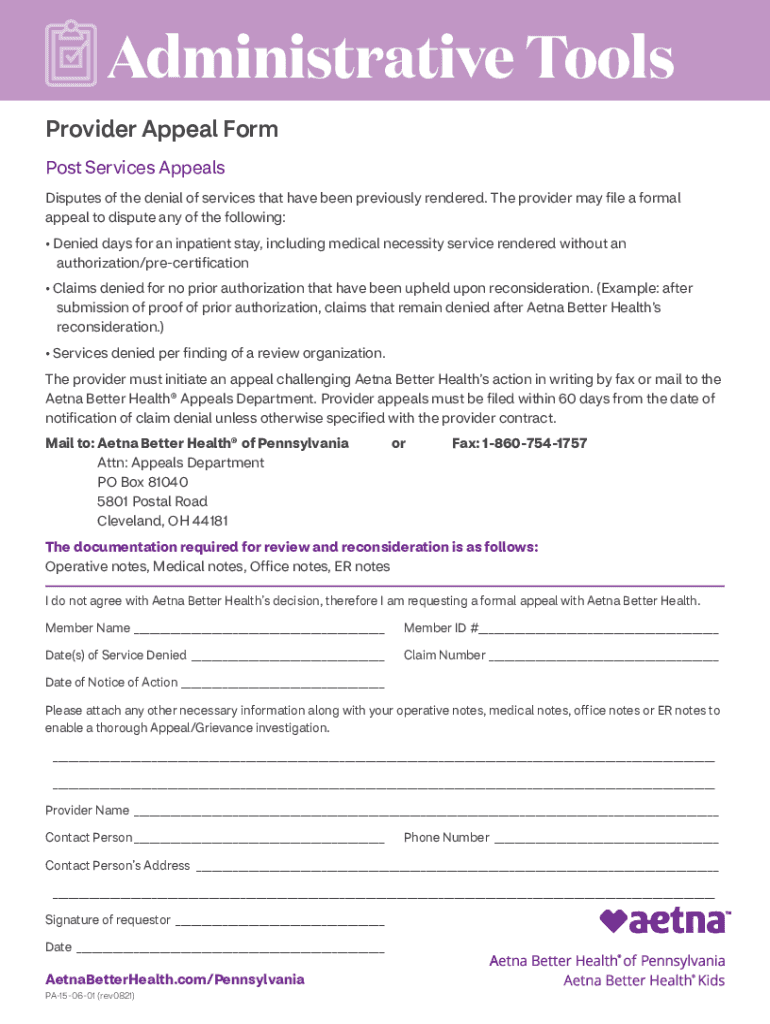
The "Provider Disputes and AppealsOhioMedicare Advantage" form is specifically designed to facilitate the formal processes involved in disputing or appealing decisions related to Medicare Advantage claims in Ohio. This form allows healthcare providers to officially contest decisions such as denied claims for inpatient services or those rejected due to the lack of prior authorization. Its primary objective is to provide a structured avenue through which providers can engage with insurance entities, ensuring that decisions on claims and service denials are thoroughly reviewed and appropriately reconsidered if necessary.
Steps to Complete the Provider Disputes and AppealsOhioMedicare Advantage
-
Identify the Denial Reason: Start by understanding the specific reason behind the claim or service denial. This information is crucial as it guides the documentation and evidence you need to provide.
-
Gather Necessary Documentation: Compile all relevant documents supporting your case, such as medical records, notes, and any initial correspondence regarding the claim.
-
Complete the Form: Fill out the required sections of the "Provider Disputes and AppealsOhioMedicare Advantage" form, ensuring all information is accurate and complete. Key details include the provider's information, patient details, and specifics about the claim in dispute.
-
Attach Supporting Evidence: Ensure that you include all necessary documentation to substantiate your appeal. This may include medical records, billing statements, and previous correspondence with the insurance company.
-
Submit the Appeal: Send the completed form and accompanying documents according to the designated submission methods, which may include physical mail or secure electronic submission.
-
Follow Up: After submission, keep track of the appeal status. Be prepared to provide additional information if requested and monitor any communications from the Medicare Advantage provider.
Required Documents
- Medical Records: Include comprehensive patient medical records relevant to the disputed claim or service.
- Billing Statements: Provide detailed billing information that outlines costs and billing codes associated with the service or claim in question.
- Correspondence + Notifications: Attach any letters or notifications related to the denial, including any preceding communications you had with the payor.
- Provider Information: Ensure all forms include your current and accurate provider details, including contact information and identifiers like NPI numbers.
Important Terms Related to Provider Disputes and Appeals
- Prior Authorization: Pre-approval from Medicare Advantage before a service is provided, which may be necessary for ensuring coverage.
- Denial: A formal decision by the insurer to refuse payment for medical services or claims submitted.
- Appeal: The process by which a provider challenges a denial and seeks to reverse the insurer’s decision.
- Evidence of Coverage (EOC): A document detailing what a Medicare Advantage plan covers and what it does not.
Examples of Using the Provider Disputes and Appeals Form
- Denial of Inpatient Days: A provider receives a denial for additional inpatient stay days but believes that extended care was medically necessary. The form allows them to contest this decision by providing evidence.
- Claims for Unlisted Providers: If a claim is denied because the service was provided by someone not listed under contracted providers, the form can be used to appeal this decision by validating the service necessity and provider credentials.
Legal Use of the Provider Disputes and Appeals Form
Completion and submission of the "Provider Disputes and AppealsOhioMedicare Advantage" form must adhere to federal and state healthcare regulations, such as HIPAA, which ensures the confidentiality and security of health data. Providers must ensure the accuracy and completeness of all submitted information to avoid potential legal discrepancies or delays in claim processing.
State-Specific Rules for the Provider Disputes and AppealsOhioMedicare Advantage
In Ohio, there may be specific guidelines defining the timeliness within which an appeal must be filed, often within 60 days of receiving the denial notification. Providers must be aware of these timelines and state-specific requirements, ensuring appeals are filed promptly to facilitate a timely review process.
Form Submission Methods (Online / Mail / In-Person)
- Online Submission: Providers may have access to online portals for secure electronic submission of the form and associated documents, ensuring confidentiality and timely tracing.
- Mail: For those preferring traditional methods, the form and supporting documents can be sent through registered mail to ensure proof of delivery.
- In-Person: While less common, some situations might allow for in-person submissions at designated office locations; however, clarity on acceptable practices should be confirmed.