





Definition and Meaning of Online Forms
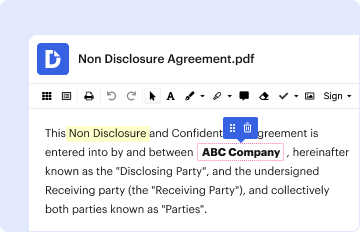
Online forms are digital versions of paper forms that facilitate the collection and processing of data over the internet. They are essential tools across various sectors, allowing users to input, submit, and manage information electronically. By using online forms, organizations streamline operations such as applications, registrations, surveys, feedback, and order processing. These forms can be embedded on websites or sent via email, offering a user-friendly way to gather structured data. Crucially, they integrate with back-end systems to ensure efficient data handling and analysis.
Online forms vary greatly in complexity and function. For example, a simple contact form may only request a name and email, whereas more complex forms might include multiple sections with conditional logic. This flexibility makes them suitable for both personal and professional purposes. Furthermore, online forms support different types of fields, like text entries, radio buttons, checkboxes, and file uploads, providing the capability to collect comprehensive and varied data.
How to Use the Form Online
Using an online form typically involves several straightforward steps that simplify data submission. To begin, users access the form via a provided link or by visiting a specific website. The digital interface guides users through the form fields, which can include text boxes, drop-down lists, checkboxes, and date pickers. Users input their information directly into the form, with certain fields possibly required, indicated by an asterisk or a prompt.
To enhance user experience and prevent errors, many forms incorporate features like auto-fill suggestions, real-time validation, and progress indicators. Once the form is filled out, users are often presented with a 'Submit' button, upon clicking which, they may receive a confirmation message or email verifying their submission. This process ensures accurate data collection while minimizing the hurdle traditionally associated with paper-based forms.
How to Obtain the Form Online
Finding and accessing the necessary online form is a critical step. Most online forms are hosted on organizational websites or available through direct links shared via email or social media. Users typically locate these forms by visiting relevant sections of a website, such as ‘Contact Us’, ‘Apply Now’, or ‘Register’. Alternatively, users might receive an email with a link to the form, particularly in scenarios like job applications or survey participation.
For forms that are less discoverable, utilizing a website’s search function can be effective. Additionally, online platforms often provide downloadable versions of forms in PDF or word processing formats, which users can fill offline and upload or email as needed. Ensuring access to the correct version of a form is critical, especially when updated versions reflect new regulations or policies.
Steps to Complete the Form Online
The process of completing an online form is generally intuitive, yet it varies based on form complexity and requirements:
- Access the Form: Navigate to the form using a URL link, email, or by visiting the hosting site.
- Follow Form Instructions: Read any instructions provided at the start to understand submission guidelines.
- Fill Out Required Information: Enter data into each field, paying attention to required fields marked with an asterisk.
- Review and Verify Entries: Before submission, users should review their entries to ensure all information is correct and complete.
- Submit the Form: Click the 'Submit' button, which might prompt a confirmation message or thank you page.
Many platforms include a feature allowing users to save progress and return to complete the form later, which is particularly useful for longer or more complex forms.
Why Should You Form Online
Opting to form online comes with numerous benefits. Primarily, it results in increased efficiency and reduced processing time compared to manual handling. Online forms are accessible from any location with internet access, enhancing convenience for users who need to submit forms remotely. This digital approach minimizes the risk of errors associated with handwriting and reduces the potential for lost documents.
Moreover, form automation streamlines workflows by integrating submitted data directly into databases or applications, reducing the need for manual data entry. In addition, digital forms can be environmentally friendly, reducing paper usage and storage needs. They also align well with modern security protocols, providing a secure channel for the submission of sensitive information.
Key Elements of the Form Online
Online forms are comprised of several essential elements which ensure their effectiveness and functionality:
- Input Fields: Text boxes, dropdowns, checkboxes, and radio buttons for user data entry.
- Validation Checks: Built-in checks that ensure data is entered correctly before submission, such as email format validation.
- Responsive Design: A layout that adapts to different screen sizes and devices for optimal user experience.
- Progress Indicators: Especially in multi-page forms, showing users how much they have completed and what remains.
- Submission Confirmation: Visual or email confirmation that assures users their information has been successfully submitted.
- Data Security Measures: Encryption and secure channels that protect submitted information during transmission.
Such elements collectively contribute to an online form's usability, security, and overall success in data collection.
Legal Use of the Form Online
Complying with legal standards is paramount when utilizing online forms, especially when dealing with sensitive personal data. Regulations such as the General Data Protection Regulation (GDPR) in Europe or the California Consumer Privacy Act (CCPA) in the U.S. mandate specific requirements for data collection and storage. Online forms must include user consent fields and privacy notices that inform users how their data will be used and stored.
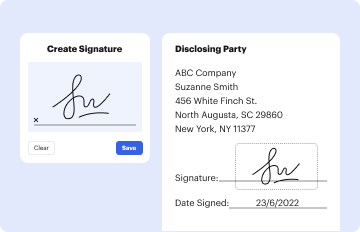
Additionally, some forms may require electronic signatures, which must comply with electronic signature laws like the ESIGN Act in the U.S. These signatures ensure that signed documents have the same legal standing as their physical counterparts. Organizations must also ensure that any disability-accessible features comply with standards like the Americans with Disabilities Act (ADA).
Examples of Using the Form Online
Online forms offer versatile and impactful solutions across various contexts. For instance, educational institutions utilize them for student applications, course registrations, and feedback surveys. In business, online forms are central to customer service, order processing, and employee onboarding. Government agencies leverage them for permit applications and tax submissions.
Real-world scenarios include:
- A local government using online forms for efficient permit application processing.
- Healthcare providers implementing patient intake forms online to streamline the admissions process.
- E-commerce businesses adopting online return forms to manage customer service interactions seamlessly.
- Nonprofit organizations using online forms to facilitate volunteer sign-ups and donation collections.
Such diverse use cases demonstrate the online form’s adaptability and indispensability in modern workflows.
Filing Deadlines and Important Dates
While not all online forms have associated deadlines, many do, requiring close attention to avoid penalties or missed opportunities. Tax forms, for example, often have strict submission deadlines, as do applications for jobs, grants, or permits. Organizations typically list these deadlines clearly on their websites or forms themselves.
Failing to adhere to deadlines can have legal or financial consequences, underscoring the importance of timely completion and submission. Automated systems sometimes include reminders or countdowns to help manage deadlines effectively. It’s advisable to complete relevant sections and submit forms well in advance to allow for unforeseen delays or additional requirements, such as supplementary documentation.