




01. Edit your kaiser biometric screening online
Type text, add images, blackout confidential details, add comments, highlights and more.

Type text, add images, blackout confidential details, add comments, highlights and more.
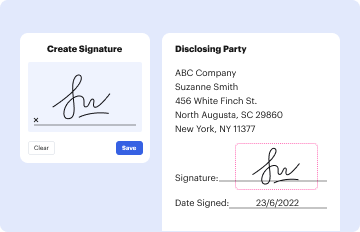
Draw your signature, type it, upload its image, or use your mobile device as a signature pad.
Send kp org wellnessevent via email, link, or fax. You can also download it, export it or print it out.
Kaiser biometric screening is a process conducted by Kaiser Permanente to assess the health metrics of its members. This screening is typically a part of employer wellness programs aimed at promoting better health outcomes among employees. The screening includes tests for key health indicators such as glucose levels, cholesterol, blood pressure, and body mass index (BMI). These metrics help in identifying potential health risks early, allowing individuals to take preventive measures. Unlike regular health check-ups, biometric screenings focus on gathering specific data points to provide a snapshot of a person's overall health.
Using the Kaiser biometric screening involves several key steps. Members are often required to schedule an appointment at a Kaiser Permanente laboratory where the tests are conducted. The screenings typically require fasting prior to the visit to ensure accurate glucose and cholesterol readings. Once the tests are completed, members receive their results, which they can discuss with their healthcare provider to understand any health risks and the steps needed to address them. This data is also used in conjunction with the wellness programs offered by employers to tailor health initiatives for their workforce.
Schedule an Appointment: Members should select a convenient date and time for their biometric screening at a Kaiser Permanente facility.
Preparation: Follow the preparation instructions provided, which usually include fasting for at least 8 to 12 hours before the appointment.
Visit the Facility: On the day of the screening, members go to the designated location to have their measurements and tests conducted.
Review Results: Post-screening, members receive their results either via mail or through their Kaiser Permanente online portal.
Consultation: Discussing the results with a healthcare provider is recommended to interpret the data accurately and plan any necessary lifestyle changes.
Kaiser biometric screening is structured to comply with legal standards, ensuring privacy and confidentiality of health data as mandated by HIPAA (Health Insurance Portability and Accountability Act). The data collected from these screenings can be used by employers to assess the overall health trends of their workforce, provided it is shared in aggregate form without identifying individual employees. This practice is intended to remain within legal bounds, adhering to regulations that protect individual health information.
Each of these components is critical in identifying potential health risks and aiding in the formulation of a comprehensive health management plan.
Understanding these terms helps participants comprehend the requirements and implications of the biometric screening process.
Primarily, the Kaiser biometric screening is utilized by employees who are part of wellness reward programs offered by their employers. Organizations that partner with Kaiser Permanente provide this screening as a part of their health benefits package to encourage preventative health measures. Members of these programs, who are typically working adults, utilize the screenings to monitor their health indicators and qualify for wellness incentives.


While there are no formal legal penalties for individuals who do not participate in a Kaiser biometric screening, there might be implications concerning wellness program incentives. Many wellness reward programs offer benefits like reduced health insurance premiums for participants who complete health screenings and achieve certain health goals. Failure to comply with these requirements might result in the forfeiture of these financial benefits.
A typical utilization scenario involves an employee receiving an invitation from their employer to participate in the annual biometric screening. After scheduling their appointment and following the necessary pre-screening instructions, they attend the session, complete the required tests, and later review their results online. The data collected helps them identify areas of improvement in their health, such as high cholesterol, prompting lifestyle adjustments like dietary changes and increased physical activity. Employers also use aggregate data to tailor their wellness programs, offering initiatives like weight management workshops or stress reduction classes based on the results.
We've got more versions of the kaiser biometric screening form. Select the right kaiser biometric screening version from the list and start editing it straight away!
| Versions | Form popularity | Fillable & printable |
|---|---|---|
| 2013 | 4 Satisfied (45 Votes) |
At DocHub, your data security is our priority. We follow HIPAA, SOC2, GDPR, and other standards, so you can work on your documents with confidence.


Nov 6, 2025 Your non-fasting fingerstick test will measure: Blood pressure. Cholesterol. Glucose. Height and weight. Youll receive your results withinRead more
Jan 8, 2024 8:00a to 4:00p a 15-minute appointment Screenings: Blood pressure, body mass index (BMI), diabetes screening - A1C, cholesterol check, health


