
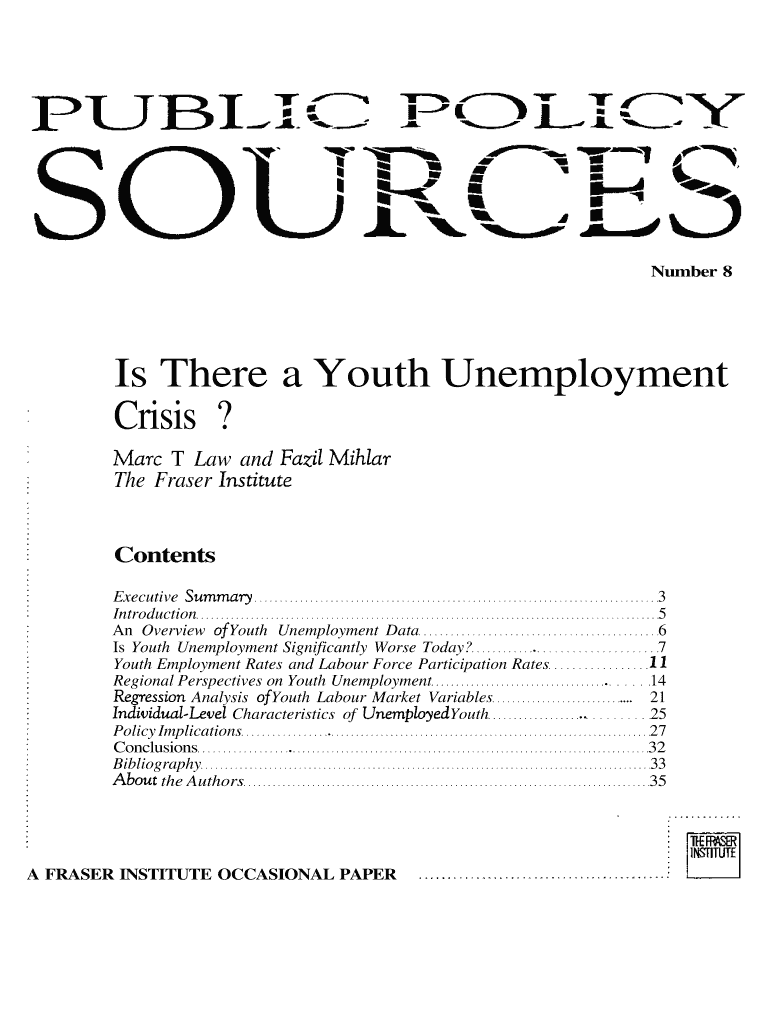







Definition and Meaning of Youth Unemployment Crisis
The term "youth unemployment crisis" refers to a situation where a significant proportion of individuals aged typically between 15 and 24 are unable to secure employment. This demographic is often at higher risk due to lack of experience, skills gaps, or economic fluctuations. In the U.S., a youth unemployment crisis can manifest not only as higher unemployment rates compared to older demographic groups but also through prolonged job search periods, underemployment, and job insecurity among young people.
Key Elements of Assessing a Youth Unemployment Crisis
When evaluating whether there is a youth unemployment crisis, certain elements are critical:
- Unemployment Rates: Typically higher for youth compared to adults, these rates help identify trends and deviations from historical standards.
- Education Levels: Individuals with lower educational qualifications often face greater challenges in securing employment.
- Regional Disparities: Economically depressed areas tend to have higher rates of youth unemployment, exacerbating local economic difficulties.
- Macro-Economic Conditions: Broader economic factors, such as recessions or booms, influence job availability and security.
- Industry Trends: Shifts in dominant industries can make traditional youth employment sectors less viable.
Steps to Address Youth Unemployment
Efforts to alleviate youth unemployment often revolve around a combination of educational reform and economic strategies. Key steps include:
- Enhancing Educational Programs: Developing vocational training and educational initiatives to align skills with market needs.
- Fostering Economic Growth: Encouraging investment in job-creating sectors and improving overall economic conditions.
- Providing Support Services: Offering career counseling, job search assistance, and internships to bridge education-to-employment gaps.
- Encouraging Entrepreneurship: Creating environments where young individuals can start their own businesses can alleviate unemployment.
Why is Youth Unemployment a Concern?
Youth unemployment is a significant issue for several reasons:
- Economic Impact: High unemployment rates can lead to reduced consumer spending, hampering economic growth.
- Social Consequences: Prolonged unemployment can contribute to social unrest, increased crime rates, and mental health issues.
- Skill Erosion: Extended periods without work can lead to skill atrophy, making future employment even harder to secure.
- Cycle of Poverty: Without employment, young individuals may struggle to break out of poverty, impacting the next generation.
Important Terms Related to Youth Unemployment
Understanding specific terminology can provide deeper insights into the crisis:
- Underemployment: Situations where individuals work part-time or below their skill level due to lack of suitable positions.
- NEET: Acronym for "Not in Education, Employment, or Training," referring to youth disengaged from work or education.
- Labor Force Participation Rate: Measures the active engagement of eligible individuals in the labor market.
Legal Use and Implications
Understanding the legal framework around youth employment is essential:
- Minimum Wage Laws: These laws impact the affordability of youth employment and the attractiveness of hiring young workers.
- Labor Rights: Ensuring that youth are employed in safe and fair conditions is a legal necessity under U.S. law.
- Age Restrictions: Legal restrictions often apply to certain jobs to protect younger workers from harmful environments or tasks.
State-specific Considerations
State-specific considerations can influence youth unemployment rates:
- Economic Base and Industry Presence: States with diversified industries may offer more opportunities for young workers.
- Educational Opportunities: Access to state-funded higher education or vocational training can impact employment prospects.
- State Legislation: Variations in labor laws between states affect how youth unemployment is addressed locally.
Examples of Addressing Youth Unemployment
Several case studies demonstrate effective strategies:
- Apprenticeship Programs: Programs that combine education with on-the-job training have significantly reduced unemployment in certain areas.
- Government Initiatives: Policies like New York's Youth Jobs Program offer tax incentives to employers hiring young people.
- Partnerships with Educational Institutions: Collaborations between businesses and schools have created direct pathways to employment for students.
By addressing these elements and implementing specific strategies, it becomes possible to not only understand the scope of the youth unemployment crisis but also develop targeted interventions that can alleviate this pressing issue.




