Definition and Meaning of P;p
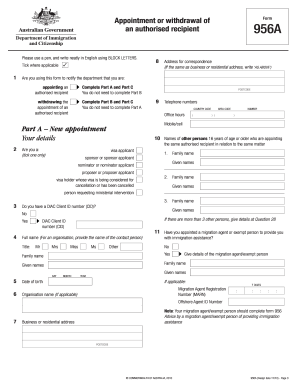
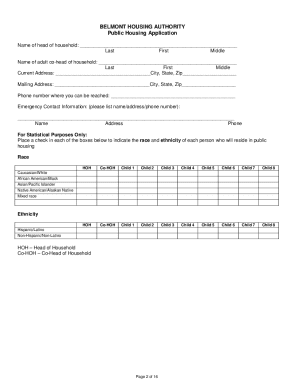
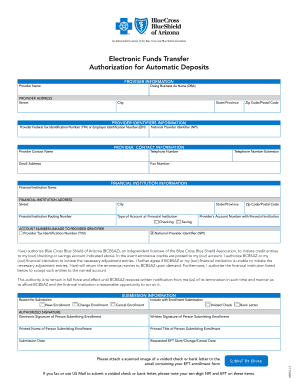
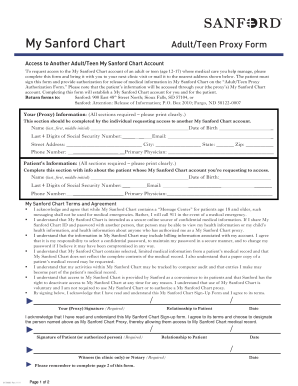
"P;p" is a term used to reference a specific form, crucial in various administrative and legal processes. Understanding its purpose is essential for individuals and businesses that encounter this form. The form acts as a standard document used in formal procedural contexts, and it usually requires precise details and adherence to set guidelines for completion.
Steps to Complete the P;p
Successfully filling out the P;p involves a series of steps:
- Gather Required Information: Collect all necessary personal, financial, or business data required for the form.
- Follow Instructions: Carefully review any guidelines provided with the form to ensure each section is completed correctly.
- Complete Each Section: Fill out each field with the correct information, ensuring accuracy to avoid potential delays.
- Review and Revise: Double-check all entries for errors or omissions.
- Submit the Form: Choose the appropriate method for submission as instructed, which may include online, mail, or in-person options.
Important Terms Related to P;p
Understanding the terminology associated with the P;p can lead to a smoother process:
- Applicant: The individual or entity filling out the form.
- Submission: The process of delivering the completed form to the appropriate authority.
- Documentation: Supporting papers or evidence required to accompany the form.
- Compliance: The act of conforming to the regulations related to the form.
How to Obtain the P;p
Acquiring the P;p can be done through several methods depending on the issuing authority:
- Online Portal: Many forms are available for download or submission through government or organizational websites.
- In-Person: Retrieve physical copies from official offices or designated locations.
- Mail Request: Some authorities offer the option to request forms via mail for those without internet access.
Who Typically Uses the P;p
The form is commonly utilized by:
- Individuals: For personal documentation needs or legal statuses.
- Businesses: To fulfill compliance obligations or administrative requirements.
- Non-profits: To maintain accurate record-keeping or meet regulatory mandates.


Key Elements of the P;p
Crucial components typically found in the P;p include:
- Identification Section: For capturing essential details such as name, address, and identification numbers.
- Purpose Declaration: A section outlining the intent or necessity of filing the form.
- Supporting Attachments: Areas dedicated to including additional documents as evidence or support.
Legal Use of the P;p
Ensuring the P;p is used legally is vital to avoid complications:
- Compliance with Regulations: Adhering strictly to legal requirements as specified by the form's governing body.
- Confidentiality: Maintaining the privacy of the information provided in the form.
- Verification: Many forms require authentication or notary services to validate the information provided.
Digital vs. Paper Version of the P;p
With technological advances, understanding the differences between digital and paper formats is crucial:
- Digital Version: Offers convenience and quicker submission but may require specific software or a stable internet connection.
- Paper Version: Ensures accessibility for all users but could involve longer processing times and postal delays.
Both formats typically contain the same information fields, ensuring consistency in data collection. The choice between digital or paper submission often depends on user preference and resources available.
Form Submission Methods for the P;p
The method chosen to submit the P;p can affect the processing time and record-keeping:
- Online Submission: Fast and efficient, often providing instant confirmation upon receipt.
- Mail Submission: Suitable for those who prefer physical copies or lack internet access, though it may result in longer wait times.
- In-Person Submission: Allows for face-to-face interactions and the opportunity to ask questions during submission, beneficial for complex forms.
Penalties for Non-Compliance
Failing to comply with the requirements for the P;p can lead to significant consequences:
- Fines: Monetary penalties may be levied for incorrect or incomplete submissions.
- Legal Action: Non-compliance might result in legal proceedings, especially if the form pertains to regulatory or legal obligations.
- Delayed Processes: Failure to correctly submit the form may result in administrative or processing delays, impacting personal or business timelines.
Understanding these penalties emphasizes the importance of accuracy and diligence when completing and submitting the P;p.
State-by-State Differences
Regional variations may exist in how the P;p is processed or required:
- State Regulations: Different states may impose unique guidelines or supplemental information requirements.
- Jurisdictional Variances: Some states may have specific deadlines or formats.
- Applicability: Certain regions may exempt or impose additional obligations on the submission of the P;p.
Each state typically provides resources or contacts for clarification regarding regional differences in requirements or procedures.