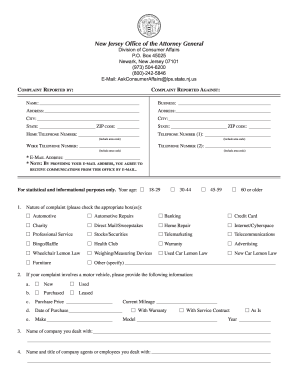
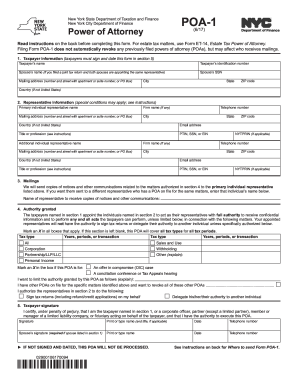
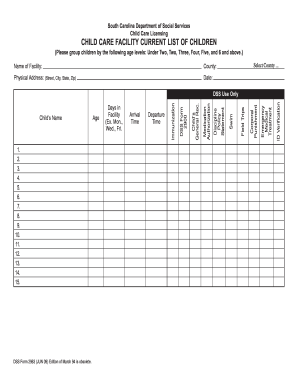
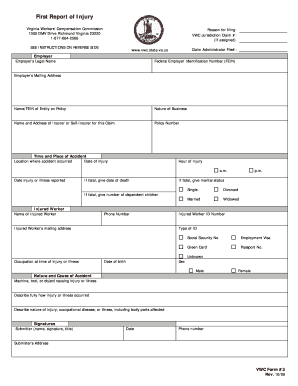
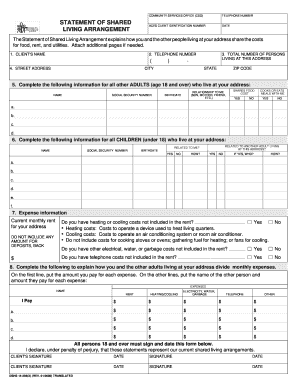
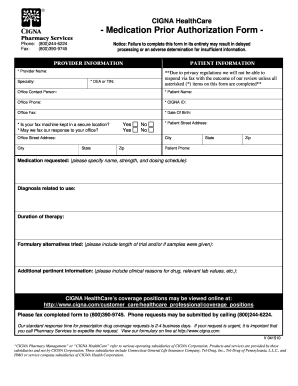
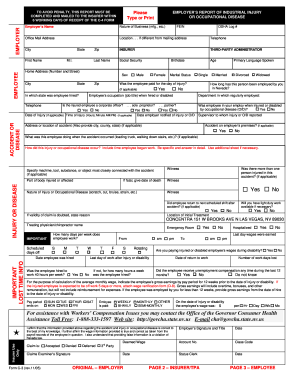
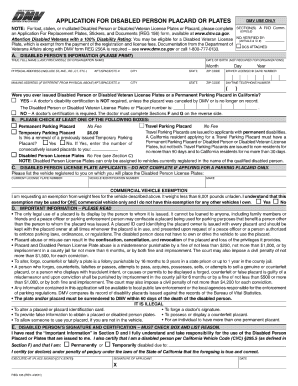
Definition & Purpose of the Formatting April 28, 2010 Draft 1
The "Formatting April 28, 2010 Draft 1" refers to a specific document draft methodology designed to standardize the organization and presentation of forms or documents developed on that date. This draft serves as a guideline for individuals and organizations to ensure consistency in document formatting, enhancing readability and clarity.
How to Use the Formatting April 28, 2010 Draft 1
Using the Formatting April 28, 2010 Draft 1 involves adhering to specific guidelines for document presentation. Users must pay close attention to layout specifications, such as margin settings, text alignment, font types, and sizes. Consistent application of these rules aids in maintaining a professional appearance across all documents.
Steps to Follow:
- Review the Guidelines: Start by understanding the full scope of formatting requirements.
- Update Document Settings: Adjust margins, font size, and styles to match the specified criteria.
- Apply Style Consistently: Ensure that headings, subheadings, and paragraphs follow the determined formats.
- Check Content Organization: Make sure sections are clearly defined and logically ordered.
- Validate Final Output: Cross-check against the guidelines to confirm adherence before finalizing the document.
Important Elements of the Formatting April 28, 2010 Draft 1
Key elements include specific instructions on text formatting, such as the use of headings, bullet points, and numbering systems. Clarity in sections and subsection headings is critical to ensure easy navigation. The draft may also specify spacing, indentation, and page numbering conventions.
Main Features:
- Text Formatting Standards: Prescribed fonts, sizes, and spacing for headers and body text.
- Section Organization: Structured hierarchy for sections and subsections.
- Consistency Rules: Repeated and predictable formatting for similar document types.
Steps to Complete the Formatting April 28, 2010 Draft 1
Completing the document according to this draft entails methodical application of its formatting rules. Here's how you can ensure thorough compliance:
- Research and Gather Content: Aggregate all necessary data and information before starting the layout process.
- Document Structuring: Organize content into predefined sections to facilitate easy updating and navigation.
- Format Iteration: Apply initial formatting, review it for consistency, and make iterative adjustments as needed.
- Review and Feedback: Seek peer reviews to catch potential formatting oversights.
- Final Adjustments: Tweak minor details in alignment or layout as per feedback.
Who Typically Uses the Formatting April 28, 2010 Draft 1
This draft is mainly used by professionals involved in document preparation, such as administrative staff, editors, and publishers. Its standardized nature makes it ideal for industries where document consistency is critical, including legal, academic, and governmental sectors.


Legal Use of the Formatting April 28, 2010 Draft 1
Legal documents often adhere to specific formatting standards prescribed by courts or regulatory bodies. While the "Formatting April 28, 2010 Draft 1" itself may not represent a legal document, it provides a framework that supports compliance by organizing information clearly, thereby facilitating legal reviews and approvals.
Software Compatibility for Formatting April 28, 2010 Draft 1
The guidelines outlined can generally be implemented across various word processing and document management software platforms, such as Microsoft Word, Google Docs, and Adobe Acrobat. Compatibility ensures that users can apply the draft's format settings regardless of the software tool used.
Software Suggestions:
- Word Processors: Microsoft Word for detailed formatting and template creation.
- PDF Editors: Adobe Acrobat for maintaining formatting in PDF conversions.
- Collaboration Tools: Google Docs for easy sharing and real-time collaboration.
Examples of Using the Formatting April 28, 2010 Draft 1
Real-world applications of this formatting include academic thesis publications, corporate reports, and policy documentation within organizations. By using this consistent format, users ensure that documents are both professional and easy to interpret.
Use Case Scenarios:
- Educational Institutions: Thesis submissions require adhering to specific formatting guidelines, making it essential for academic credibility.
- Corporate Reports: Consistency in annual reports or policy documents assures stakeholders of professionalism.
- Legal Briefs: Enhanced clarity in legal documents results in better comprehension and fewer misinterpretations.
State-by-State Differences in Using the Formatting April 28, 2010 Draft 1
While the draft provides a general framework, specific state regulations or organizational policies may necessitate additional modifications. It's crucial to investigate any regional differences that could affect document preparation requirements.
Considerations:
- State Regulations: Some regions may mandate additional notarization spaces or specific disclosure sections.
- Organizational Preferences: Businesses might customize layouts to maintain brand consistency.
By following this comprehensive coverage, users can efficiently utilize the Formatting April 28, 2010 Draft 1, ensuring that their documents meet both standard and context-specific requirements.