Definition and Meaning of Out-of-Network Services
Out-of-network services refer to healthcare services rendered by providers who do not have a contract with your insurance plan. When services are accessed out-of-network, costs are typically higher as insurers cover a lower percentage of the bill compared to in-network services. This difference can significantly impact out-of-pocket expenses, making it crucial to understand the financial implications involved. Out-of-network typically triggers balance billing, where the patient bears the responsibility for paying the difference between the provider's charge and what the insurer pays. This concept is essential for navigating reimbursements when choosing non-contracted service providers.
How to Use the Out-of-Network Claim Process
To utilize the out-of-network claim process effectively, policyholders must first review their insurance plan's specific guidelines. Here are the usual steps:
- Verify Coverage: Check your health insurance plan to confirm that you have out-of-network benefits.
- Collect Required Information: Gather an itemized receipt or bill from your healthcare provider detailing the services provided, including the provider's full name, credentials, and address.
- Submit the Claim: Use the insurer's prescribed form or system to submit the claim. Most insurers offer online submission portals or traditional mail options.
- Attach Documentation: Ensure all necessary documents, such as proof of payment and the itemized bill, accompany the claim form.
- Follow Up: Keep track of your claim's status by checking with your insurance provider and save copies of all submitted documents and communications for your records.
These steps are crucial to ensure successful reimbursement from out-of-network services, as lack of proper documentation often leads to denials.
Steps to Complete the Out-of-Network Claim Form
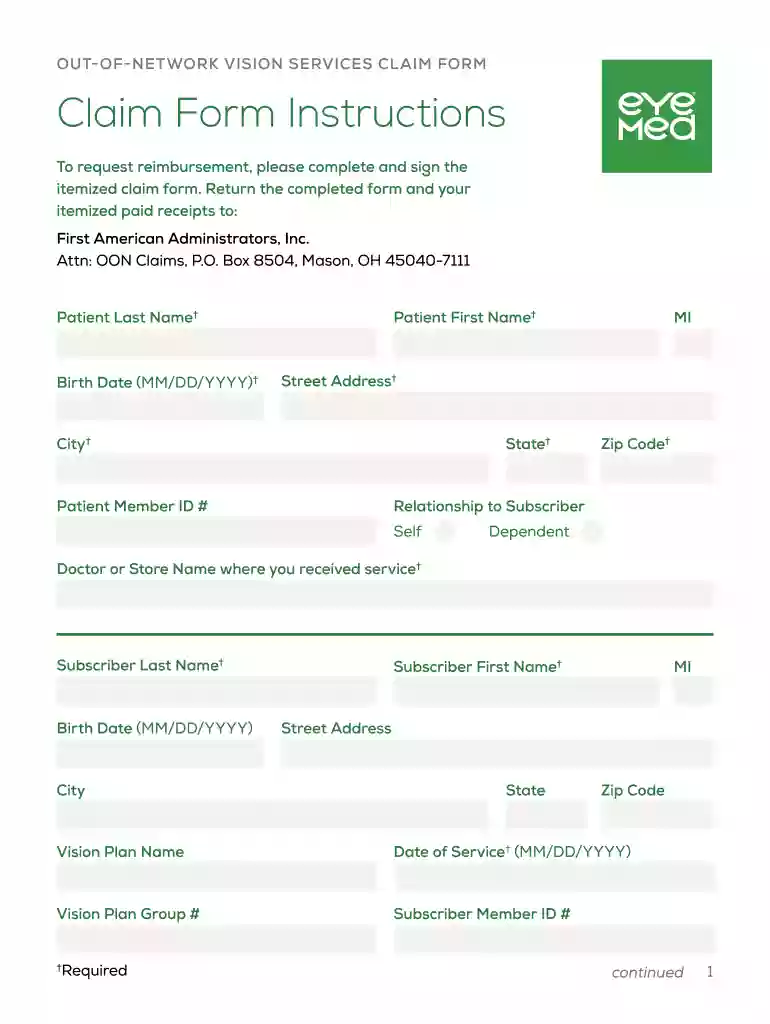
Completing an out-of-network claim form requires attention to detail and accuracy. Follow these step-by-step instructions to navigate the completion process:
- Obtain the Form: Access the claim form from your insurance provider's website or request it by contacting their customer service.
- Personal Information: Fill in your personal details, including full name, policy number, and contact information.
- Provider Information: Enter specific details about the healthcare provider, such as name, address, and service dates.
- Service Details: List each service provided, including dates, procedure codes, and associated costs.
- Supporting Documents: Attach itemized bills, receipts, and any referrals or authorizations required.
- Double-Check Entries: Review the completed form for any errors or omissions before submission.
- Submission: Submit the form through the provided channels, ensuring all required documents are included.
Errors in completion can delay processing or result in a denial of the claim, so accuracy and thoroughness are paramount.
Key Elements of an Out-of-Network Claim
Understanding the key elements involved in an out-of-network claim is vital for successful reimbursement:
- Itemized Bill: A detailed bill from your healthcare provider showcasing services rendered, costs, and any discounts applied.
- Proof of Payment: Documentation, such as bank statements or credit card receipts, evidencing the payment made for services.
- Policy Number: Your unique insurance policy identifier, which connects your claim with your account.
- Explanation of Benefits (EOB): Documents from your insurance company explaining what was covered by your policy and what remains your responsibility.
These elements are fundamental, as missing or incorrect information may lead to disputes or claim rejections.
Important Terms Related to Out-of-Network Services
Understanding key terms related to out-of-network services aids in navigating the process:
- Balance Billing: When a provider bills the patient for the difference between the provider’s charge and what the insurer covers.
- Deductible: The amount you are required to pay out-of-pocket before your insurance covers costs.
- Coinsurance: A percentage of costs covered by the policyholder after meeting the deductible.
- Out-of-Pocket Maximum: The maximum amount you pay during a policy period before your insurer covers 100% of costs.
Familiarity with these terms ensures clarity when negotiating insurance claims and self-managing healthcare expenses.
State-Specific Rules for Out-of-Network Claims
Different states have varying rules regarding out-of-network claims, impacting the nuances of processing them:
- Balance Billing Protections: States like California and New York have laws protecting consumers from balance billing in emergency situations.
- Filing Deadlines: Each state may impose different deadlines for submitting claims, with some allowing longer periods post-service to file.
- Mediators and Dispute Resolutions: States often have consumer assistance programs to help resolve disputes related to insurance claims.
Recognizing these state-by-state differences can protect consumers from unexpected bills and ensure compliance with regulations.
Legal Use of Out-of-Network Services
Legally, insurance policies dictate when out-of-network services are covered, often emphasizing emergencies or lack of in-network provider availability. It's important to:
- Read Policy Agreements: Verify terms under which out-of-network care is covered to avoid staying outside policy limits.
- Understand Exceptions: Policies might cover out-of-network if service availability, urgency, or location makes it unavoidable.
- Compliance with Laws: Remain aware of federal and state laws influencing insurance practices, notably the No Surprises Act.
Familiarity with legal aspects ensures using out-of-network services remains within permissible boundaries.
Filing Deadlines and Important Dates for Out-of-Network Claims
Timely submission of claims is essential:
- Initial Filing Period: A common window is 90 to 180 days from the date of service to submit claims for out-of-network services.
- Appeal Deadlines: If initially denied, claims can be appealed, usually within 60 days of the denial notification.
Adhering to these deadlines prevents forfeiting reimbursement opportunities and maintains compliance with insurance policy stipulations.
Software Compatibility for Managing Out-of-Network Claims
Utilizing appropriate tools can enhance the efficiency of managing out-of-network claims:
- Document Management Software: Applications like DocHub facilitate editing, signing, and organizing submission forms.
- Financial Tracking Tools: Software such as QuickBooks can track submitted claims, reimbursements, and outstanding patient balances.
- Insurance Apps: Many insurers offer mobile apps for real-time claim status updates and document submissions.
These technologies can simplify the submission process while ensuring accurate record maintenance and timely follow-ups.