






Definition & Meaning
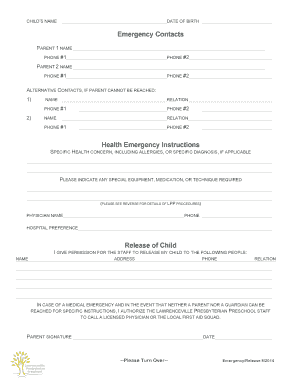
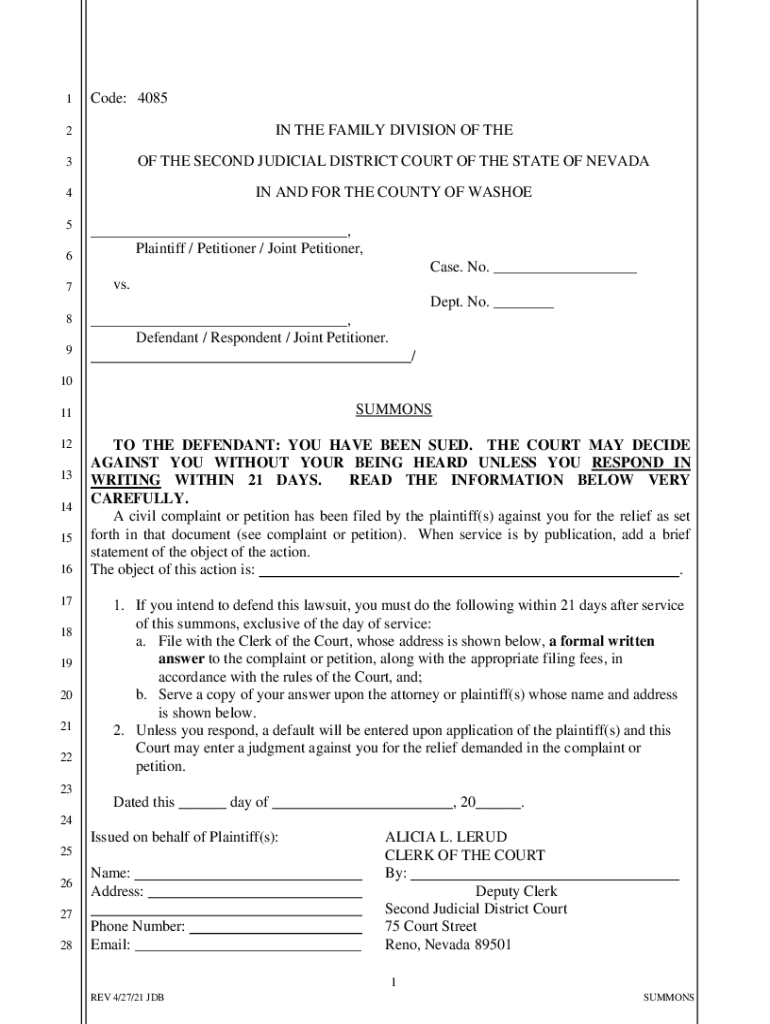
The Family Law Form Petition For Custody is a legal document used in family court proceedings to request custodial rights over a child. This petition is a formal declaration by an individual seeking either sole or joint custody, which involves the care, control, and decision-making responsibilities for the child. It often includes information about the child's current living situation, the parent's relationship with the child, and reasons for seeking custody.
Steps to Complete the Family Law Form Petition For Custody
- Provide Personal Information: Include full names, addresses, and contact information for both the petitioner and the responding party.
- Outline Current Custodial Arrangements: Describe the existing living situation of the child, including who the child is currently living with.
- State Reasons for Custody Request: Clearly present the reasons and justifications for seeking custody, such as the child's welfare or a significant change in circumstances.
- Detail Financial Information: Some forms may require income details from both parties to assess child support obligations.
- List Witnesses and Evidence: Identify any witnesses who can support your claims, and list any documents or evidence to be presented in court.
- Sign and Date the Petition: Ensure that all parties involved have signed and dated the petition before submission.
Key Elements of the Family Law Form Petition For Custody
- Child’s Best Interests: The court prioritizes the child’s best interests, requiring clear articulation of how the petition serves them.
- Parental Responsibilities: Statements detailing how each parent intends to fulfill their roles must be included.
- Visitation Schedules: Proposals for visitation rights, especially if seeking shared custody.
- Support Arrangements: Information regarding financial support and care provisions.
Legal Use of the Family Law Form Petition For Custody
The petition serves a legal avenue for parents or guardians to establish or adjust custody arrangements formally. Once filed, the document initiates legal proceedings, and a court hearing will be scheduled to review all evidence and arguments. Judges rely on the petition to understand the case's context and make informed custody decisions.
State-Specific Rules for the Family Law Form Petition For Custody
Each state in the U.S. has specific laws governing child custody, affecting how the petition is filed and reviewed. Variables may include:
- Filing Fees: Costs can vary widely by jurisdiction.
- Documentation Requirements: States may have different requirements for supporting paperwork.
- Custody Standards: Different states have specific legal criteria considered during custody decisions.
Who Typically Uses the Family Law Form Petition For Custody
- Parents: Both biological and adoptive parents seeking to establish or amend custody rights.
- Guardians: Legal guardians who are responsible for the child’s welfare, such as grandparents or relatives.
- Legal Representatives: Attorneys preparing the petition on behalf of their clients.


How to Obtain the Family Law Form Petition For Custody
The form can often be obtained through:
- Online: Many state courts provide downloadable forms on their websites.
- Court Clerks: Forms can be picked up directly from courthouse offices.
- Family Law Attorneys: Legal advisors can provide relevant documentation as part of their services.
Important Terms Related to Family Law Form Petition For Custody
- Sole Custody: One parent has exclusive rights and responsibilities for the child's welfare and decision-making.
- Joint Custody: Both parents share custodial rights and responsibilities.
- Custodial Parent: The parent with whom the child primarily lives.
- Non-Custodial Parent: The parent who does not have primary residential custody but may have visitation rights.
Examples of Using the Family Law Form Petition For Custody
- Change in Circumstances: A parent may file if there has been a significant alteration in living situations or financial status that impacts the child’s well-being.
- Parental Relocation: When one parent intends to move to a different state or area, affecting current custody arrangements.
- Initial Custody Establishment: Used when parents are seeking to establish first-time legal custody arrangements post-separation or divorce.
Form Submission Methods (Online / Mail / In-Person)
- Online: Many courts support electronic filing for greater convenience and accessibility.
- Mail: Petitions can be mailed to the appropriate family court clerk’s office for processing.
- In-Person: Direct submission at court offices, offering an opportunity to resolve submission queries immediately.
Required Documents
- Birth Certificates: Proof of the child's relationship to the petitioner.
- Financial Records: Evidence of the financial situation of both parties.
- Character References: Letters or statements supporting the petitioner’s case for custody.