






Definition and Meaning
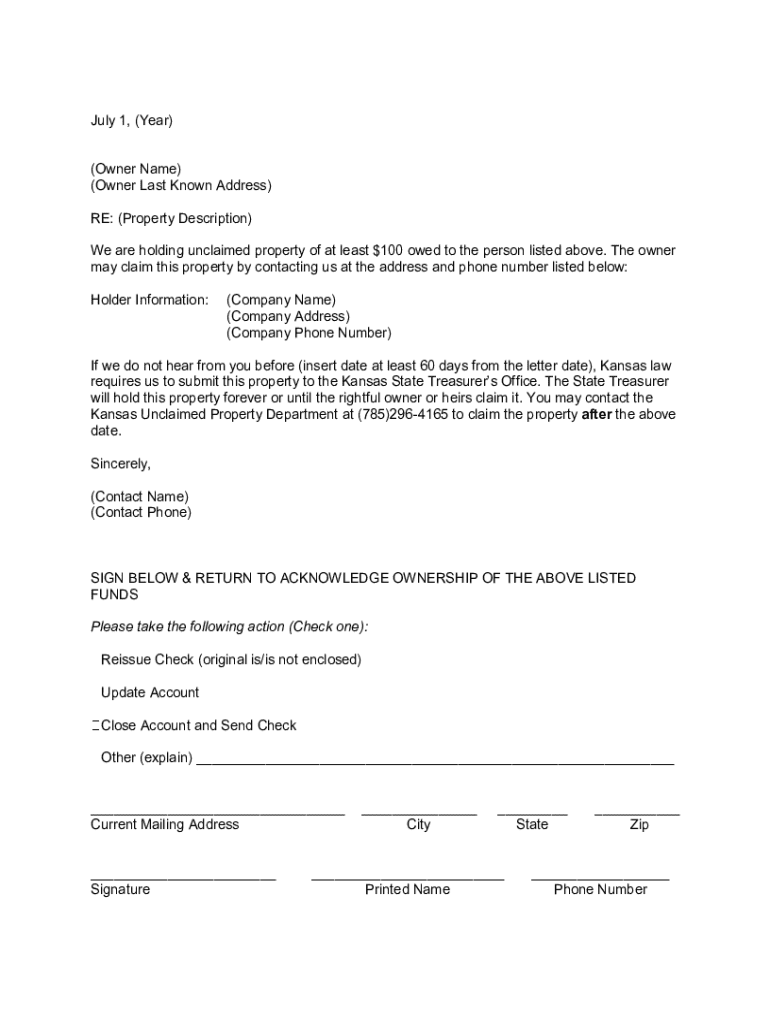
The "July 1, (Year)" form is typically associated with fiscal or tax-related matters and is often used to signify a cutoff date for financial filing or compliance obligations. This form is crucial for ensuring that entities adhere to specific regulations for financial documentation and reporting. Determining the precise meaning of this form involves understanding its context—usually, it indicates an annual deadline for submitting necessary documents or information to a government agency, such as the IRS or a state treasury office. The number and type of forms required can vary based on jurisdiction and regulatory stipulations.
How to Use the July 1, (Year) Form
Effectively navigating the "July 1, (Year)" form requires a clear understanding of the associated requirements. Individuals or businesses must:
- Identify the relevant authorities: Determine which government agency or regulatory body issues the form.
- Gather necessary information: Compile all relevant financial or compliance data that needs reporting.
- Adhere to formatting guidelines: Follow prescribed methods for data entry to ensure the form is correctly filled out and compliant.
- Submit by the deadline: Ensure all documents are submitted by July 1st of the corresponding year to avoid penalties.
Typically, submission can be done through online portals designated by the regulatory body, or in some cases, via mail if digital submission is not an option.
Steps to Complete the July 1, (Year) Form
Completing the form requires attention to detail and adherence to specific steps:
- Read instructions carefully: Begin by reviewing any instructions provided with the form, paying attention to any special requirements.
- Enter personal or business details: Fill out basic information such as name, address, employer identification number, or social security number.
- Input financial data: Accurately enter all required financial information, double-checking figures for accuracy.
- Attach supporting documents: Include any supplementary documentation as mandated by the form instructions.
- Review and verify: Before submission, verify all entries for completeness and correctness to minimize errors.
- Submit and retain records: After submission, save a copy of the completed form and proof of filing for future reference.
Legal Use of the July 1, (Year) Form
The use of the "July 1, (Year)" form is governed by laws that apply to financial reporting and compliance. Generally, the form must be used to report financial data that satisfies federal or state requirements. Legal use entails:
- Compliance: Ensuring that submissions meet all legal requirements detailed in the form's instructions.
- Accuracy: Providing true and correct information to the best of the filer’s knowledge to avoid legal repercussions.
- Timely filing: Adhering to specified deadlines to avoid potential fines or legal action.
Key Elements of the July 1, (Year) Form
Essential components of the form typically include:
- Identification fields: Name, address, and identification numbers.
- Financial sections: Places to record income, expenses, taxes owed, and other pertinent financial information.
- Declarations: Sections where the filer attests to the accuracy of the information.
- Signatures: Space for signatures, which may include digital signatures if online submissions are allowed.
Required Documents
Filing the "July 1, (Year)" form often necessitates various supporting documents, which can include:
- Tax documents: W-2s, 1099s, or other income statements.
- Financial statements: Balance sheets or profit and loss statements relevant to the reporting period.
- Proof of deductions or credits: Documentation that substantiates any deductions or credits claimed.
Ensure all documents are up-to-date and accurately reflect the reporting period in question.
Filing Deadlines / Important Dates
The central deadline for the "July 1, (Year)" form is, unsurprisingly, July 1st of the specified year. However, understanding related timelines is vital:
- Prior-year filings: Be aware of deadlines for previous fiscal year adjustments or amendments.
- Extension dates: If applicable, know the procedures for requesting extensions and any revised deadlines.
Adherence to these deadlines is critical to maintaining good standing with relevant authorities.
Penalties for Non-Compliance
Failure to comply with the "July 1, (Year)" form requirements can lead to various penalties:
- Monetary fines: Depending on the jurisdiction, fines can vary but are intended to penalize late submissions.
- Legal action: Consistent non-compliance may result in legal proceedings.
- Interest charges: If the form relates to unpaid taxes, interest may accrue on any amounts owed.
Avoid these penalties by understanding and fulfilling all form requirements punctually and precisely.