01. Edit your form online
Type text, add images, blackout confidential details, add comments, highlights and more.

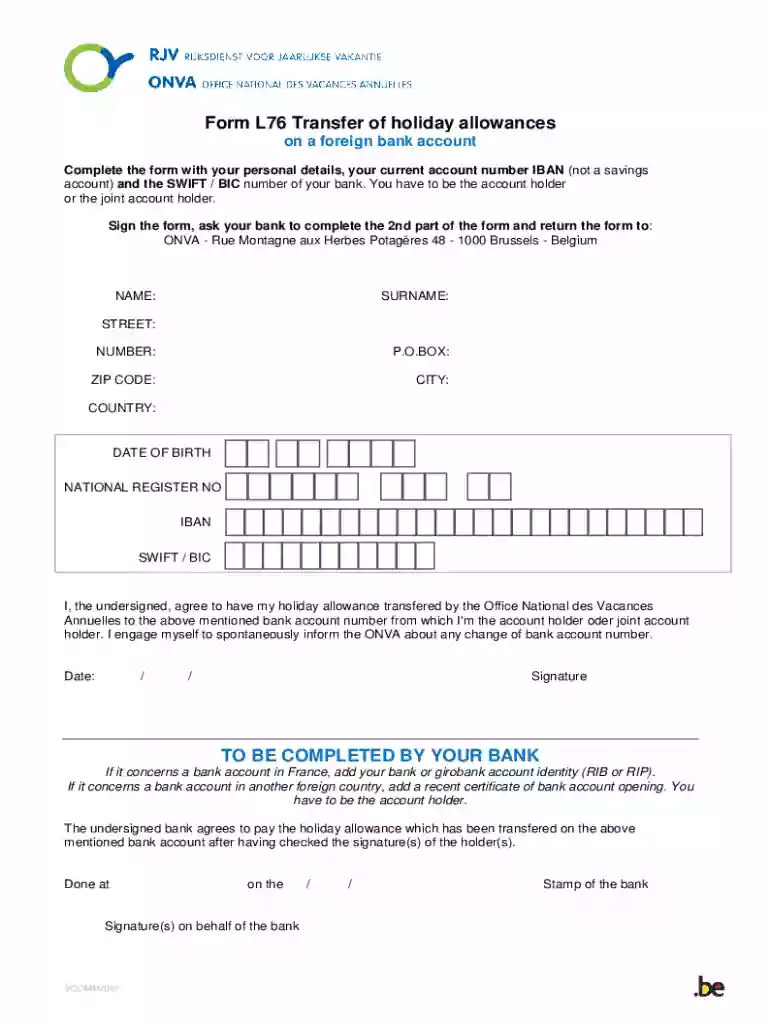
Type text, add images, blackout confidential details, add comments, highlights and more.

Draw your signature, type it, upload its image, or use your mobile device as a signature pad.

Send it via email, link, or fax. You can also download it, export it or print it out.
Authorization for International Wire Transfer is essential for facilitating smooth and secure overseas financial transactions. It is a formal document that grants permission for funds to be transferred from a U.S.-based account to a foreign account. This document typically includes necessary details such as the recipient's information, bank account details, and the amount of money to be transferred. The authorization helps ensure the legitimacy of the transaction and confirms that the account holder has agreed to the transfer under stipulated terms.
Proper completion of the Authorization for International Wire Transfer form requires attention to several critical elements:
Each section must be completed accurately to avoid delays or errors in processing the transaction.
Successfully completing this form involves several steps:
Using this form correctly is important to comply with federal regulations and international banking laws. Ensure that all transactions comply with the relevant legal and financial guidelines to avoid issues like fraud or money laundering. Each transaction should follow the laws set by the U.S. Treasury Department and international banking standards.
The primary role of the authorization form is to prevent unauthorized transactions and fraudulent activities. It acts as a safeguard ensuring that each wire transfer is authorized by the account owner. For businesses, it enables efficient international trade by providing a connection between different financial systems, facilitating timely payment to global suppliers and partners.
Not everyone automatically qualifies for international wire transfers; certain criteria must be met:
Meeting these criteria helps ensure that your international wire transfer request is processed without unnecessary hitches.


Authorization forms are usually obtained from your local bank's branch or through their online portal. Some banks offer printable forms on their websites, while others might require you to visit the branch in person:
Different banks may have their version or alternative forms for wire transfer authorization. Additionally, several payment methods exist that serve as alternatives:
These alternatives may vary in terms of fees, processing times, and regional availability, providing options that best suit personal or business needs.
We've got more versions of the Authorization for International Wire Transfer form. Select the right Authorization for International Wire Transfer version from the list and start editing it straight away!
At DocHub, your data security is our priority. We follow HIPAA, SOC2, GDPR, and other standards, so you can work on your documents with confidence.