





Definition & Meaning
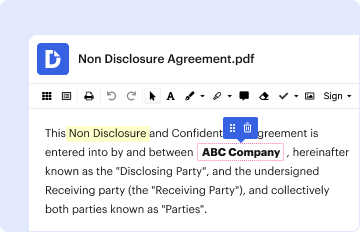
The term "form online" refers to the ability to create, complete, and submit forms through online platforms. These digital forms facilitate various tasks, from job applications and surveys to tax filings and legal documentation. A primary advantage of using online forms is the efficiency and ease they offer, eliminating the need for physical paperwork and allowing for quick data processing. Additionally, these forms can integrate intelligent features like autofill and validation, which help in minimizing errors.
Online forms are often linked to web services, which ensure that the data collected is securely transferred and stored. This process is usually supported by encryption methods to protect sensitive information. By using online forms, individuals and organizations can streamline data collection, improve accuracy, and save time.
How to Use the Form Online
To effectively utilize a form online, users typically follow a straightforward series of steps.
- Access the Form: Navigate to the website or platform hosting the form. Ensure that you're using a compatible browser to prevent any functionality issues.
- Follow the Instructions: Carefully read any provided guidance or instructions, as this helps in understanding the form's requirements and ensures accurate completion.
- Enter Information: Input your data into the designated fields. Online forms usually contain fields for text inputs, drop-down menus, checkboxes, and signature areas.
- Validate Entries: Many online forms feature built-in validation to check the correctness of the entries, such as ensuring email formats or numeric fields.
- Review and Submit: Before submission, review all entries to confirm they are correct. Once satisfied, submit the form by clicking the appropriate button.
Online form tools, like DocHub, often include options for saving progress, allowing users to return later and complete incomplete sections. This feature is particularly useful for longer or more complex forms.
Steps to Complete the Form Online
Completing a form online involves several key steps, each of which ensures the comprehensive and accurate submission of information.
- Preparation: Gather all required documents and information before starting the form. This could include identification numbers, business documents, or financial data.
- Filling Out the Form: Begin by entering your data into each field. Use features like "Tab" to navigate between fields quickly.
- Uploading Supporting Documents: If the form requires additional documents, upload them in the accepted formats, such as PDF or JPG. Ensure the files are clear and legible.
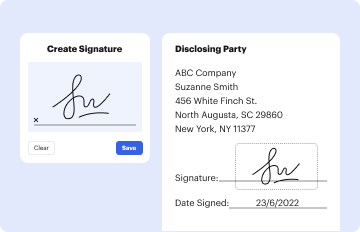
- Entering Digital Signatures: If a signature is required, use the form's digital signature feature. DocHub and similar platforms often provide tools to draw, type, or upload a signature.
- Final Review: Double-check all entries, attachments, and signatures. Look for confirmation messages or alerts about any missing or incorrect data.
- Submitting the Form: Once verified, submit the form. Confirmation of submission is often provided in the form of an on-screen message or email receipt.
Understanding each step in this process helps prevent errors that could delay or invalidate the form submission.
Who Typically Uses the Form Online
Various individuals and organizations benefit from using forms online.
- Businesses: Companies frequently use online forms for HR processes, client onboarding, surveys, and contract management.
- Government Agencies: Online forms simplify the submission of tax returns, benefit applications, and regulatory compliance documents.
- Health Providers: Forms are used for patient information, appointment scheduling, and health insurance claims.
- Educational Institutions: Schools and universities use forms to manage admissions, assess student applications, and collect feedback.
- Non-Profits: Charitable organizations utilize online forms for volunteer registrations, donations, and event management.
The target audience for online forms is vast due to their versatility and adaptability across different sectors.


Creating and Managing Fillable Forms
Creating and managing fillable forms requires an understanding of interactive features and tools. Platforms like DocHub provide users with a comprehensive set of functionalities to build efficient forms.
- Custom Field Insertion: Add elements like text boxes, radio buttons, and dropdowns to capture varied types of information.
- Field Customization: Tailor each form field's properties, such as setting mandatory fields, adjusting field sizes, and placing hints or instructions for users.
- Dynamic Functionality: Use logic-based conditions to show or hide fields based on user responses, offering a personalized form-filling experience.
- Templates: Save frequently used form designs as templates to streamline the creation process for future needs.
These tools significantly contribute to creating user-friendly forms, maximizing the accuracy and efficiency of data collection.
Key Elements of the Form Online
When developing an online form, several key elements are crucial to its success:
- User Interface Design: The form should be simple, intuitive, and accessible, with a layout that is easy to navigate.
- Validation Features: Implement real-time validation to ensure users complete fields correctly before submission.
- Security Measures: Incorporate encryption and access controls to safeguard user data.
- Responsiveness: Ensure the form is accessible on various devices, such as tablets and smartphones, for greater reach.
These elements play an essential role in determining how effectively users can interact with the form, thereby impacting its overall utility.
Legal Use of the Form Online
The legality of online forms, particularly those involving signatures, hinges on adherence to specific standards and regulations.
- Electronic Signatures in Global and National Commerce (ESIGN) Act: This U.S. federal law grants electronic signatures the same legal status as handwritten ones, provided they meet certain criteria.
- Uniform Electronic Transactions Act (UETA): Adopted by individual states, UETA supports the use of electronic records and signatures in business transactions.
- Compliance Practices: Ensure the form's procedures meet legal requirements for consent, integrity, and authenticity. Electronic signatures must be tamper-proof and paired with a clear, demonstrable intent to sign.
These legal frameworks affirm the reliability of online forms, particularly in contractual and transactional contexts.
Required Documents
Submission of online forms often calls for supporting documents, which validate the provided information.
- Identity Verification: Documents like driver’s licenses, passports, or state IDs may be required for identification purposes.
- Financial Records: Bank statements, tax returns, or pay stubs might be needed for financial assessments or loan applications.
- Proof of Address: Utility bills or lease agreements are common requirements for verifying residence.
- Business Documentation: Business licenses or incorporation certificates may be necessary for legal and tax-related forms.
Having these documents ready in accepted digital formats improves the efficiency of the form submission process.