




01. Edit your form online
Type text, add images, blackout confidential details, add comments, highlights and more.

Type text, add images, blackout confidential details, add comments, highlights and more.

Draw your signature, type it, upload its image, or use your mobile device as a signature pad.

Send it via email, link, or fax. You can also download it, export it or print it out.
The "Declaration Form (Confidential)" is intended for users to submit complaints regarding service quality or any other concerns they might have. This form captures essential details that help the reviewing authorities in understanding and addressing the complaint effectively. Confidentiality is a crucial aspect of this form, ensuring that any sensitive information shared by the complainant is protected and that their privacy is maintained throughout the review process.
Obtaining the Declaration Form can be done through multiple channels. Typically, this form is accessible online for ease of download and completion. Some organizations might provide physical copies upon request at their offices, especially for those without reliable internet access.
Completing the form accurately is essential to ensure your complaint is processed without delay. Here is a step-by-step guide to assist you:
The form, when submitted, serves as a legal document that indicates you have officially recorded a complaint. It is vital to ensure that all information provided is accurate and truthful, as false statements could have legal repercussions.
This form is primarily used by individuals or representatives encountering issues with a service or product provided by an organization. Service users in sectors such as healthcare, education, utilities, and more commonly employ this form to communicate their grievances formally.



Understanding the components of the form will help ensure all necessary information is included upon submission.
The availability and content of declaration forms may vary by state due to differing local regulations or organizational policies.
To accommodate different user preferences and accessibilities, the form can be submitted through various methods.
Each method of submission should comply with the specified guidelines to ensure the complaint is received and processed promptly.
At DocHub, your data security is our priority. We follow HIPAA, SOC2, GDPR, and other standards, so you can work on your documents with confidence.


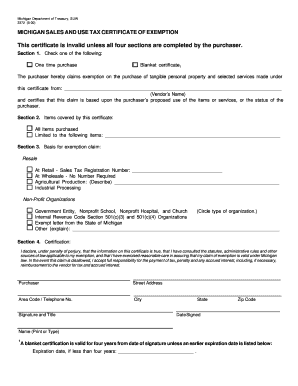
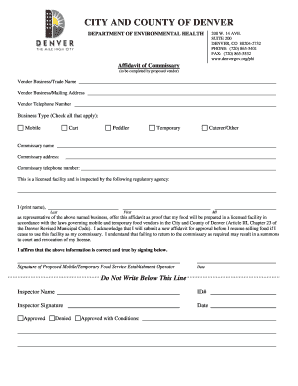

The Disclosure Form will prompt the filer to both disclose that activity and provide details regarding the nature of the activity. Tips for Disclosing, CommonRead more
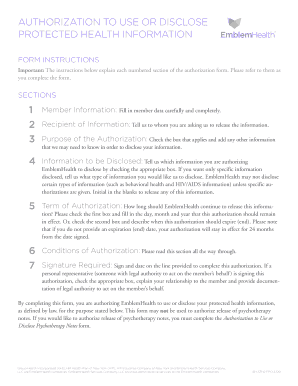
Maintain confidentiality of sensitive health information; Use contractual protections for HIPAA compliance; Enable verification without full disclosure
Use this form to voluntarily disclose the conduct for which you as a person or organization may be liable. You are eligible to report a self-disclosure if youRead more


