






Definition & Meaning
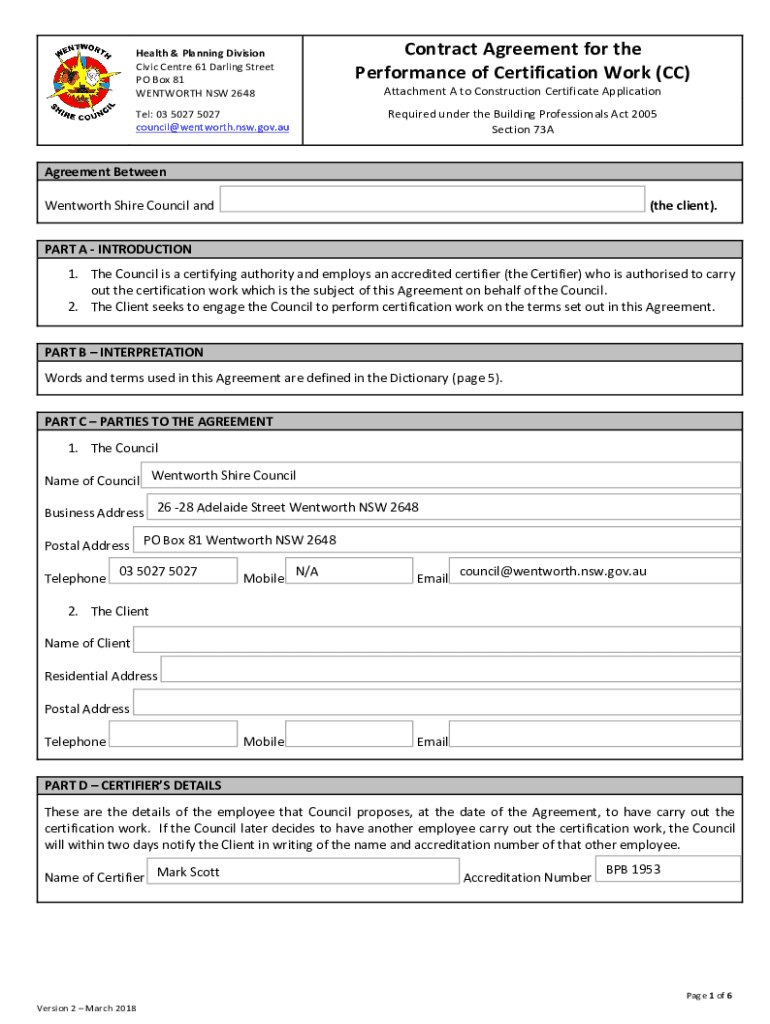
A Contract Agreement for the refers to a documented legal understanding between two parties, detailing the responsibilities and expectations pertaining to a specific task or project. Typically, this type of agreement is used in various professional settings to ensure clear communication and mutual understanding between involved parties. It encapsulates the terms and conditions which are mutually agreed upon, providing a formal basis for collaboration.
Key Elements of the Contract Agreement for the
Understanding the fundamental components of a contract agreement is crucial for effective execution. The agreement includes:
- Parties Involved: Identification of the signatories and their respective roles.
- Scope of Work: Detailed description of the tasks, deliverables, and expectations.
- Payment Terms and Conditions: Clear outline of financial arrangements, including fees and payment schedules.
- Duration of the Agreement: Stipulations regarding the time frame, including start and end dates.
- Termination Clause: Conditions under which the agreement can be terminated by either party.
- Confidentiality Clause: Provisions regarding information security and privacy.
How to Use the Contract Agreement for the
Effective utilization of a Contract Agreement involves several steps to ensure compliance and clarity. To leverage such an agreement:
- Draft the Agreement: Define the objectives, terms, and expectations clearly.
- Review and Revise: Both parties should review the draft to ensure accuracy and fairness.
- Sign the Contract: After making necessary amendments, both parties should sign the document for it to be legally binding.
- Implement Terms: Commence the project while adhering to the agreed terms.
- Monitor Compliance: Regularly review progress to ensure adherence to the contract terms.
Examples of Usage
- A contractor entering into an agreement with a homeowner for a renovation project.
- A freelancer completing a specific project for a corporate client.
Steps to Complete the Contract Agreement for the
Filling out a contract agreement requires attention to detail and understanding of the specifications. Steps include:
- Identifying Parties: Clearly state the legal names of the parties involved.
- Outlining Responsibilities: Each party should know their specific tasks and duties.
- Agreeing on Fees: Specify financial terms including any milestones linked to payments.
- Defining Legal Terms: Include clauses on disputes, governing laws, and amendments.
- Finalizing the Document: Ensure all sections are completed and both parties sign with dates.
Edge Cases and Variations
- Amendments: If changes occur, document them formally as an amendment to the original contract.
- Disputes: Detail procedures for resolving conflicts which can arise during execution.
Important Terms Related to Contract Agreement for the
- Consideration: The benefit each party expects to receive from the contract.
- Force Majeure: Clauses that excuse performance due to events beyond control.
- Indemnification: Assurance that one party will cover potential losses incurred by the other.
Legal Use of the Contract Agreement for the
In legal contexts, contract agreements serve as a protective mechanism that can be enforced in court if breached. Legal usage includes:
- Enforcement: Provides grounds to seek legal recourse against breaches.
- Evidence: Functions as proof of the mutual consent of terms in litigation.
- Amendment and Waivers: Specifies how any contractual changes are to be made legally binding.
State-Specific Rules
Contracts can vary across different states in the U.S., influenced by local laws and practices. For example, some jurisdictions might have specific requirements for notarizing signatures or unique consumer protection laws that impact contract terms.
Who Typically Uses the Contract Agreement for the
A broad spectrum of professionals and entities across industries relies on contract agreements, including:
- Construction Firms: For clarity on project specifications and remuneration.
- Consultants and Freelancers: To formalize deliverables and payment terms with clients.
- Businesses and Corporations: Engaging in joint ventures or partnerships.


Business Types that Benefit Most from Contract Agreement for the
Businesses, regardless of size, can optimize operations through precise contract agreements:
- Small Businesses and Startups: Protect intellectual property and define partnerships.
- Large Corporations: Manage complex transactions and partnerships with detailed contracts.
- Non-Profits and NGOs: Secure funding agreements or collaborative projects with detailed terms.
Penalties for Non-Compliance
Failing to adhere to contract terms can result in:
- Financial Penalties: Compensations or fines based on breach stipulations.
- Legal Repercussions: Lawsuits that could result in damages or enforceability challenges.
- Reputational Damage: Loss of credibility among potential clients and partners.