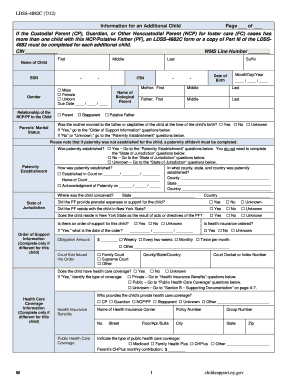
International dealings schedule 2018 Section A: International-2026

Get Form
International dealings schedule 2018 Section A: International Preview on Page 1

Here's how it works

01. Edit your form online
Type text, add images, blackout confidential details, add comments, highlights and more.

02. Sign it in a few clicks
Draw your signature, type it, upload its image, or use your mobile device as a signature pad.

03. Share your form with others
Send it via email, link, or fax. You can also download it, export it or print it out.

Definition and Meaning

The International Dealings Schedule 2018 Section A: International is a tax reporting form designed to ensure entities report their international related party dealings accurately. It helps in disclosing significant information concerning international transactions, like financial arrangements and interests in foreign entities. The form requires detailed information on revenue and expenditure, particularly focusing on restructuring events and financial dealings involving international elements. Entities use this form to present compliance with international tax regulations and to ensure transparency with tax authorities, thereby avoiding potential audits or penalties.

How to Use the International Dealings Schedule 2018 Section A: International

Entities engaged in international transactions need to precisely fill out the International Dealings Schedule. Care must be taken to report all forms of international dealings, including monetary transfers, shared services, and intellectual property transactions with foreign affiliates. Following are the steps to use this form effectively:

  1. Collect Necessary Data: Gather all financial data concerning your international transactions, including invoices, contracts, and financial statements.
  2. Complete Relevant Sections: Ensure you fill in each relevant section based on your transactions, highlighting dealings with your foreign entities.
  3. Check for Consistency: Verify that the details entered are consistent with other tax forms submitted to avoid discrepancies.
  4. Cross-reference Information: Make sure information reported aligns with your internal records and any other submitted documentation.
  5. Final Review and Submission: Conduct a thorough review for accuracy, and submit the form following IRS guidelines.

Important Terms Related to International Dealings Schedule 2018 Section A: International

Understanding specific terminology is crucial when completing the International Dealings Schedule. Key terms include:

  • Related Party Dealings: Transactions and arrangements with related foreign parties that may include sales, leases, loans, or intellectual property usage.
  • Country-by-Country Reporting: A component of the form requiring entities to disclose financial data on a country-specific basis, ensuring global tax compliance.
  • Restructuring Events: Any structural changes affecting ownership or operations across borders that may impact tax obligations.

Steps to Complete the International Dealings Schedule 2018 Section A: International

Filling out the form accurately requires attention to detail. Follow these steps for compliance:

  1. Review Instructions: Start by thoroughly reading the IRS instructions accompanying the form.
  2. Gather Documentation: Collect required documents like transaction records, invoices, and contracts from the financial year in question.
  3. Enter Detailed Information: Focus on detailing each type of international transaction, specifying the nature, amount, and involved parties.
  4. Validate Information: Ensure all details are correct and reflect actual business dealings.
  5. Consult Tax Professionals: For complex transactions, consider consulting with tax advisors to verify compliance and accuracy.
  6. Submit by Deadline: Make sure to submit the completed form by the specified IRS deadline to avoid penalties.

Key Elements of the International Dealings Schedule 2018 Section A: International

Essential components of the form include:

  • Transaction Details: Comprehensive information about each international transaction.
  • Taxpayer Identification Numbers (TINs): Requirement for TINs of involved entities.
  • Revenue and Expenditure Breakdown: Detailed breakdowns of international revenue and expenses.

Penalties for Non-Compliance

Failing to comply with reporting requirements can result in substantial penalties. These can include fines and additional audits by the IRS. Notably, inaccuracies or omissions are particularly scrutinized, leading to potential legal action. Hence, ensuring every detail is accurate can prevent such outcomes.

Filing Deadlines and Important Dates

The International Dealings Schedule must be submitted in accordance with federal tax deadlines, typically aligning with other tax filing requirements such as the corporate tax return deadline. Marking key dates on your calendar and setting reminders will help avoid late submissions.

Digital vs. Paper Version

The International Dealings Schedule is available both digitally and on paper. While paper submissions are traditional, digital filing facilitates quicker processing, better accuracy through computerized checks, and better security and tracking.

  • Digital Filing Benefits:
    • Faster processing
    • Immediate confirmation of submission
    • Reduced risk of errors with digital checks
  • Paper Filing Considerations:
    • Longer processing time
    • Lower chance for immediate error correction

Opting for the digital route is encouraged for efficiency and accuracy, especially for entities managing numerous international dealings.

Software Compatibility

For those utilizing tax software, compatibility with platforms like TurboTax or QuickBooks can streamline the completion of the form. These systems often provide step-by-step guidance, reducing the risk of errors. Ensure the software is updated and capable of processing the 2018 Section A to maximize utility.

be ready to get more

Complete this form in 5 minutes or less

Get form

Got questions?

We have answers to the most popular questions from our customers. If you can't find an answer to your question, please contact us.
Contact us
The International dealings schedule (IDS) applies only to those companies, trusts and partnerships having International related party dealings/transfer pricing where: the aggregate amount of those transactions or dealings was more than $2 million.
If your business is engaged in international dealings with related parties, and has more than $2 million of related-party dealings, you are required to complete an international dealings schedule (IDS) and lodge it with your income tax return for that year.
The international dealings schedule (IDS) forms part of your company, trust or partnership entitys tax return. If you report certain amounts or otherwise answer Y to trigger questions in your tax return you will also need to complete the IDS.
The Reportable tax position (RTP) schedule is a schedule to the Company tax return. It gathers information on uncertain tax positions from the largest companies. The RTP schedule requires taxpayers to disclosure arrangements that pose a risk to the corporate tax base.

Security and compliance

At DocHub, your data security is our priority. We follow HIPAA, SOC2, GDPR, and other standards, so you can work on your documents with confidence.
Learn more
ccpa2
pci-dss
gdpr-compliance
hipaa
soc-compliance
be ready to get more

Complete this form in 5 minutes or less

Get form