Definition & Meaning
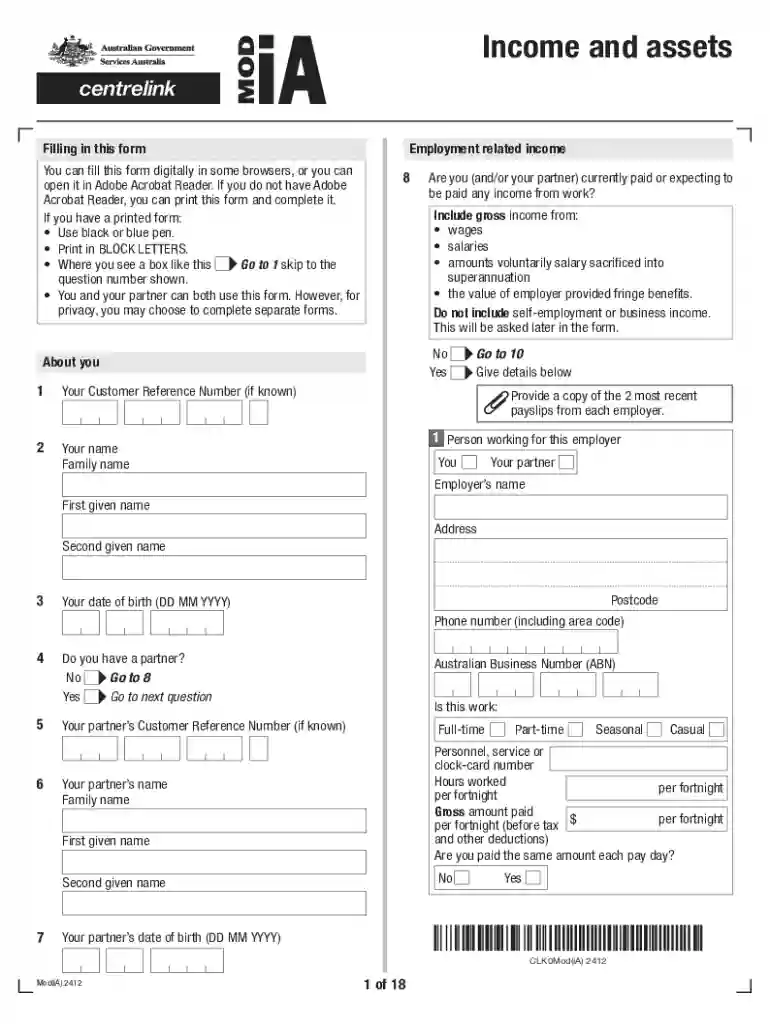
The term "Income and Assets" refers to the components that illustrate an individual's or entity's financial standing. Income includes money earned from employment, investments, and other sources, while assets represent owned properties and resources that hold monetary value. This concept is crucial for assessing financial health, eligibility for benefits, and compliance with tax regulations.
Examples of Income
- Wages and Salaries: Earnings from employment, whether full-time, part-time, or freelance.
- Investment Returns: Dividends, interest, and capital gains from stocks, bonds, or mutual funds.
- Business Income: Profits from owning and operating a business entity.
- Rental Income: Money received from leasing out property.
Examples of Assets
- Real Estate: Ownership of land or property.
- Vehicles: Cars, boats, and other transport means that have market value.
- Investments: Stocks, bonds, and similar financial securities.
- Cash Holdings: Current bank balances or liquid cash reserves.
Steps to Complete the Income and Assets Form
Completing the Income and Assets form involves several detailed steps to ensure accuracy. This form is used to document financial status for various purposes including tax returns, benefit applications, or financial assessments.
- Gather Documentation: Collect all necessary financial statements, pay stubs, investment summaries, and property valuations.
- List All Income Sources: Identify and document every stream of income, including any side jobs or contractual work.
- Detail Assets: Provide comprehensive details about properties, investments, and other valuable items.
- Verify Information: Check each entry for accuracy and ensure that all information is up-to-date.
- Submit the Form: Depending on the requirements, submit the completed form either online or via mail.
Required Documents
Compiling the right set of documents helps ensure that the Income and Assets form is filled out accurately.
- Proof of Income: Recent pay slips, bank statements showing deposited wages, or income tax returns.
- Asset Documentation: Ownership titles for properties, recent appraisals, or bank statements showing account balances.
- Tax Documentation: Previous years' tax returns to verify past income declarations.
- Investment Records: Statements from brokerage accounts or investment portfolios.
Legal Use of the Income and Assets Form
The form is often mandated by law to enable fair assessment by governing bodies.
- Tax Filings: Accurate income reporting is critical for federal and state tax obligations.
- Benefits Eligibility: Determines qualification for social security, Medicaid, and other support programs.
- Loan Applications: Financial institutions utilize this information to evaluate creditworthiness.
Penalties for Non-Compliance
Failing to accurately report income and assets can have serious repercussions.
- Fines: Monetary penalties may be imposed for underreporting or non-disclosure.
- Legal Action: Misrepresentation of financial information could lead to legal proceedings.
- Benefits Revocation: Incorrect information could result in loss of eligibility for benefits or financial support.
Digital vs. Paper Version
The choice between digital and paper versions hinges on accessibility and convenience.
Digital Version
- Convenience: Allow submissions from any location with internet access.
- Efficiency: Reduces the likelihood of errors with real-time verification features.
- Storage: Easily storable in cloud services like Google Drive, enhancing accessibility.
Paper Version
- Tradition: Preferred by institutions or individuals comfortable with physical documentation.
- Record Keeping: Beneficial for maintaining a hard copy file of financial documents.
Software Compatibility
Various financial software programs support the Income and Assets form integration.
- TurboTax: Facilitates quick import of financial data for tax preparation.
- QuickBooks: Assists in managing assets and income for small to medium-sized enterprises.
- DocHub: Useful for editing, signing, and digital submission of the form, integrating seamlessly with other document management platforms such as Google Workspace.