




01. Edit your please your reference online
Type text, add images, blackout confidential details, add comments, highlights and more.

Type text, add images, blackout confidential details, add comments, highlights and more.

Draw your signature, type it, upload its image, or use your mobile device as a signature pad.

Send please code maras printable via email, link, or fax. You can also download it, export it or print it out.
The "please your reference form," often used in rental applications, is a document designed to gather detailed personal and financial information from a guarantor. It plays a critical role in verifying the eligibility and credibility of the guarantor in supporting the rental application of a tenant. This form typically requires specific details such as personal contact information, employment history, current income, and any assets or liabilities. Additionally, the form may include sections to disclose adverse credit history and consent for information verification, ensuring transparency and accuracy in the rental process.
To effectively use a reference form, start by collecting all necessary background information about the applicant. Ensure the form is filled out completely and accurately by the guarantor to avoid potential delays in the application process. Keep the following steps in mind:
Completing the reference form involves a systematic approach to ensure accuracy and completeness. Below are the steps to fill out the form:
Understanding the essential components of the reference form aids in accurate completion and avoids omissions. Some key elements include:
This form is predominantly used by property management companies, landlords, and real estate agents involved in the tenant leasing process. It serves as a proactive measure to ensure potential tenants have reliable financial backing through a guarantor. Generally, guarantors are often family members, close friends, or business associates of the tenant who wish to support the rental application.


When working with the reference form, understanding specific terms ensures clear communication and expectations:
The legal use of a reference form is crucial to its integrity, ensuring that it abides by applicable laws and regulations. Guarantors must consent to provide personal financial data, and the information must be handled following privacy laws. The form serves as a legally binding document verifying the guarantor’s promise to assume responsibility, making it enforceable under rental contract situations.
Ignoring accurate completion or submission of a reference form can lead to several adverse outcomes. A landlord has the right to deny the tenant application due to incomplete or false information. Additionally, failure by the guarantor to fulfill their obligations per the form could result in legal action or financial liabilities, reinforcing the importance of truthful and complete reporting.
At DocHub, your data security is our priority. We follow HIPAA, SOC2, GDPR, and other standards, so you can work on your documents with confidence.


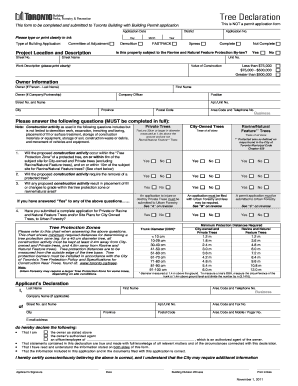
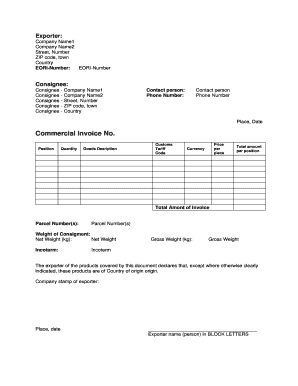
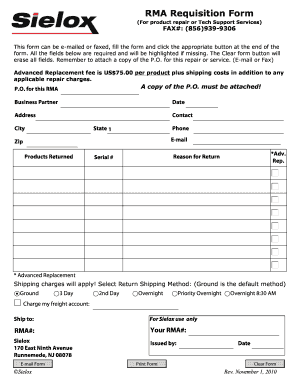
Professional Reference Request 1. Candidate Name of Employment Candidate:* 2. Reference Information Reference Name:* Phone Number:* Email Address:* NameRead more
Below is a template for your reference list, along with examples: [References First and Last Name] [References Title/Position] [Current Company/School]


