Acknowledgment and Waiver of Service; Consent to Jurisdiction and Venue 2026

Get Form
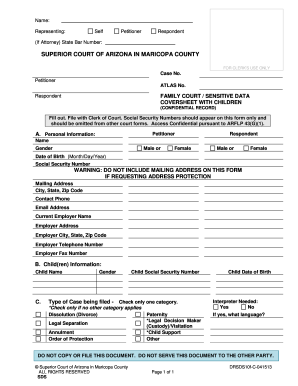
Acknowledgment and Waiver of Service; Consent to Jurisdiction and Venue Preview on Page 1

Here's how it works

01. Edit your form online
Type text, add images, blackout confidential details, add comments, highlights and more.

02. Sign it in a few clicks
Draw your signature, type it, upload its image, or use your mobile device as a signature pad.

03. Share your form with others
Send it via email, link, or fax. You can also download it, export it or print it out.

Definition & Meaning

The "Acknowledgment and Waiver of Service; Consent to Jurisdiction and Venue" refers to a legal instrument used in U.S. courts, particularly in civil actions, where the defendant acknowledges receipt of legal papers without the need for formal service. By signing this form, the defendant agrees to waive the formal service process, often speeding up the proceedings. Moreover, they consent to the jurisdiction and venue stated, affirming that the court hearing the case is appropriate. This form acts as a streamlined method to facilitate a legal case while retaining certain legal defenses.

Practical Understanding

  • Acknowledgment: Confirms receipt of the complaint or petition, eliminating the necessity for a formal service.
  • Waiver of Service: Dispenses with traditional service of process requirements.
  • Consent to Jurisdiction: Agrees to the court's authority over the subject and parties.
  • Consent to Venue: Accepts conducting proceedings in the specified location.

How to Use the Acknowledgment and Waiver of Service

To effectively utilize this form, defendants must first read and understand the complaint they received. After reviewing, they must decide if they agree to the terms of jurisdiction and venue.

  1. Review the Complaint/Petition: Understand the nature of the legal case before proceeding.
  2. Agree to the Terms: Consent to waive the formal service requirement and agree to the set jurisdiction and venue.
  3. Complete the Form: Accurately fill in all required fields to validate the acknowledgment and waiver.

Practical Scenario

For example, in a divorce case in Georgia, signing this form might expedite proceedings, allowing both parties to reach a resolution swifter than through conventional service methods.

Steps to Complete the Acknowledgment and Waiver of Service

Filing this form correctly involves several precise steps. Each component must be thoroughly addressed to ensure legitimacy.

  1. Obtain the Form: Retrieve the form from the court or legal service provider.
  2. Fill Personal Details: Include comprehensive personal information such as name, address, and contact details.
  3. Acknowledge Receipt: Confirm you received the complaint or petition referenced.
  4. Consent to Jurisdiction and Venue: Explicitly agree to the court's jurisdiction and accept the venue.
  5. Date and Sign: Ensure the form is dated correctly and signed to affirm consent.

Important Terms Related to Acknowledgment and Waiver of Service

Understanding the terminology associated with this form enhances comprehension and effectiveness in its utilization.

  • Complaint: The initial document that initiates a lawsuit, stating the plaintiff’s allegations.
  • Defendant: The party against whom the lawsuit is filed.
  • Jurisdiction: The authority of a court to hear a case.
  • Venue: The geographic location where the court case is heard.

Legal Use of the Acknowledgment and Waiver of Service

This form's legal applicability is significant in expediting court proceedings. It reduces time and potential costs associated with formal service.

Legal Benefits

  • Efficiency: Enables a quicker progression by eliminating the need for formal service.
  • Flexibility: Defendants can still maintain defenses while consenting to jurisdiction and venue.

Legal Considerations

Ensure all legal rights and obligations are understood before signing, as this form affects your procedural rights in lawsuits.

Key Elements of the Acknowledgment and Waiver of Service

Several crucial elements make up this form, each serving a distinct legal function.

  • Acknowledgment Statement: Confirms receipt of the associated documents.
  • Waiver Confirmation: Includes a section where the defendant waives the right to formal service.
  • Jurisdiction Clause: Specifies agreement to the court's jurisdiction.
  • Venue Clause: Details consent to the geographical location of the proceedings.
  • Signature Section: Validates the document with a signature and date.

Examples of Using the Acknowledgment and Waiver of Service

Real-world usage of this form is common in civil cases. For example:

  • Divorce Proceedings: A spouse receiving a divorce petition might sign to waive service, expediting the process.
  • Small Claims Cases: Defendants acknowledge receipt and agree to jurisdiction without formal service processes.

State-Specific Rules for the Acknowledgment and Waiver of Service

Different states have unique regulations concerning the acknowledgment and waiver of service.

Specific State Examples

  • Georgia: Often used in cases like divorce, where parties agree to venue and jurisdiction in the county where the filing occurs.
  • California: May involve specific forms or additional steps for valid acknowledgment and waiver.

Understanding these state-specific rules ensures proper use and compliance within each jurisdiction’s legal framework.

be ready to get more

Complete this form in 5 minutes or less

Get form

Security and compliance

At DocHub, your data security is our priority. We follow HIPAA, SOC2, GDPR, and other standards, so you can work on your documents with confidence.
Learn more
ccpa2
pci-dss
gdpr-compliance
hipaa
soc-compliance
be ready to get more

Complete this form in 5 minutes or less

Get form