




01. Edit your form online
Type text, add images, blackout confidential details, add comments, highlights and more.

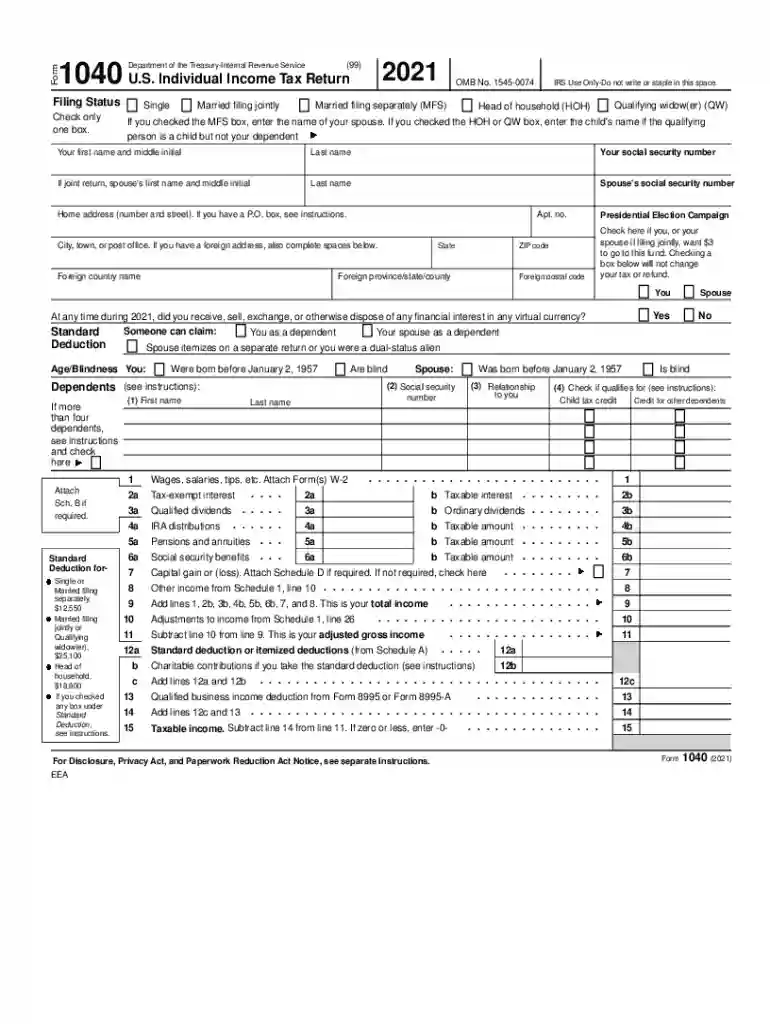
Type text, add images, blackout confidential details, add comments, highlights and more.

Draw your signature, type it, upload its image, or use your mobile device as a signature pad.

Send it via email, link, or fax. You can also download it, export it or print it out.
Form 1040, also known as the U.S. Individual Income Tax Return, is the standard federal form used by taxpayers to report their income, claim tax credits, and calculate their tax obligations for the year. For the 2021 filing cycle, this form is crucial for detailing one's financial earnings and deductions, thereby determining the amount of tax owed or refund due. Understanding the specific structure and content of Form 1040 is vital for ensuring accurate filing and compliance with IRS regulations.
To effectively use Form 1040 for the 2021 tax year, taxpayers must first gather all relevant financial documents such as W-2s, 1099s, and statements reflecting other income. The form guides individuals through sections that include filing status, personal exemptions, adjustments to income, and tax credits. It is imperative to accurately input all income data and applicable deductions to compute the final tax responsibility. Utilizing tax preparation software can streamline this process by auto-populating certain fields and checking for errors.
Gather Documents: Collect all necessary financial documents, including income statements and deduction receipts.
Determine Filing Status: Identify your filing status—single, married filing jointly, married filing separately, head of household, or qualifying widow(er).
Input Personal Information: Fill in the form with your name, address, and Social Security Number.
Report Income: Accurately report all sources of income, including wages, interest, and business earnings.
Calculate Adjustments: Use the worksheet to calculate any adjustments to income, such as student loan interest or retirement contributions.
Itemize Deductions or Standard Deduction: Decide whether to take the standard deduction or itemize deductions using Schedule A.
Claim Credits: Enter any eligible tax credits, such as the Child Tax Credit.
Calculate Tax: Use the designated tables to calculate the total tax owed.
Sign and Submit: Once completed, sign the form and submit it to the IRS either electronically or via mail.
The IRS provides comprehensive guidelines for completing Form 1040, including tips for avoiding common errors, detailing eligibility for various credits and deductions, and offering advice on filing electronically. The IRS website is a valuable resource for accessing the latest information and updates regarding tax law changes applicable to the 2021 tax year.
For the 2021 tax year, the deadline to file Form 1040 is typically April 15, 2022. Taxpayers may request an extension until October 15, 2022, if needed. However, any taxes owed are still due by the April deadline to avoid interest and penalties.
Filing Form 1040 requires various documents such as:
Form 1040 is utilized by a wide range of taxpayers, including:


Failing to file Form 1040 or inaccurately reporting income can result in several penalties, including fines, interest on unpaid taxes, and in severe cases, legal action. It's critical for taxpayers to ensure all entries are correct and submitted by the deadline to avoid these outcomes.
At DocHub, your data security is our priority. We follow HIPAA, SOC2, GDPR, and other standards, so you can work on your documents with confidence.

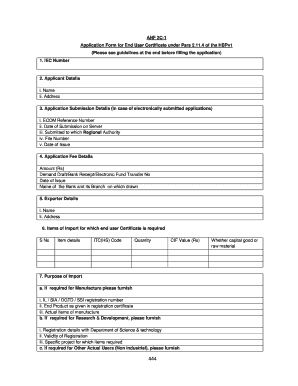
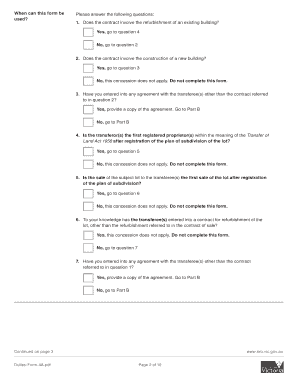

Dec 16, 2025 You can get the current filing years forms, including the 1040 form, from the IRS. Download them from IRS.gov. Order by phone at 1-800-TAX-
The members of the committee responsible for the report were chosen for their special competences and with regard for appropriate balance. This study wasRead more
Form 1040 2020 U.S. Individual Income Tax Return. This is your total income . Single or Married filing separately, $12,400 applied to your 2021 estimated tax


