
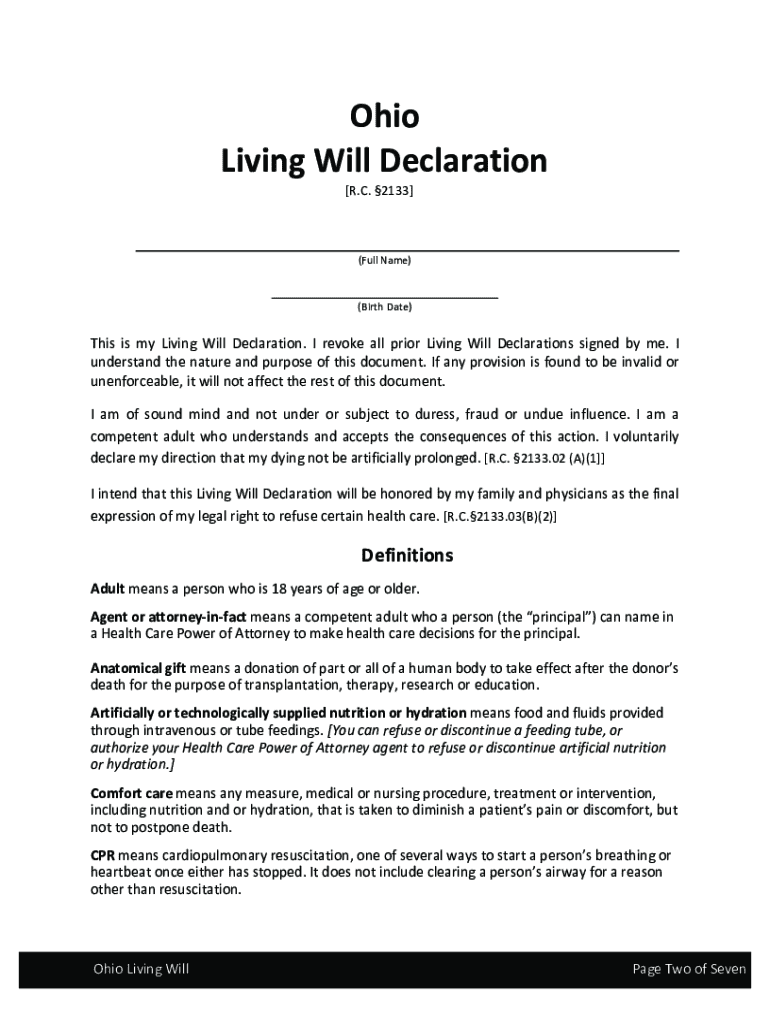







Definition and Meaning of Living Wills and Health Care Powers of Attorney
Living wills and health care powers of attorney are crucial legal documents that enable individuals to make their health care wishes known and assign decision-making authority in case they become incapacitated. A living will typically outlines preferences for medical treatment in scenarios where one is unable to communicate due to terminal illness or permanent unconsciousness. Conversely, a health care power of attorney authorizes a designated agent to make medical decisions on behalf of the individual if they cannot make decisions for themselves. These documents provide clarity and guidance to health care providers and family members, ensuring that the individual's preferences are respected.
Steps to Complete the Law Facts Forms
- Understand the Purpose: Familiarize yourself with the significance of each document. A living will outlines medical treatment preferences, while a health care power of attorney appoints a decision-maker.
- Gather Information: Collect all necessary personal information, including your medical history, and discuss your wishes with family and potential agents.
- Consult with Professionals: Consider seeking advice from a legal professional or estate planner to ensure your documents meet legal requirements and accurately reflect your intentions.
- Draft the Documents: Use templates or professional services to draft your living will and health care power of attorney.
- Execute the Documents: Sign the documents in the presence of a notary or witnesses as required by your state.
- Distribute Copies: Share copies with your appointed agent, family members, and health care providers to ensure everyone is informed of your wishes.
Legal Uses of Living Wills and Health Care Powers of Attorney
Living wills and health care powers of attorney hold significant legal weight, as they guide health care providers and family members in making medical decisions when the individual can't do so themselves. These documents can refuse or authorize specific treatments, making them essential during end-of-life care scenarios. They are often used to prevent unnecessary treatments and interventions, providing peace of mind that one's health care choices will be honored. Furthermore, the health care power of attorney appoints a trusted person to act as the agent, ensuring decisions align with the individual's beliefs and values.
Important Terms Related to Living Wills and Health Care Powers of Attorney
- Declarant: The individual who creates and signs the living will or health care power of attorney.
- Agent: The designated person authorized to make medical decisions if the declarant is unable to do so.
- Terminal Illness: A medical condition which is incurable and will lead to death.
- Permanent Unconsciousness: A state in which an individual is permanently unaware of themselves and their surroundings.
- Life-Sustaining Treatment: Medical procedures that extend life without curing the underlying medical condition.
- Revocation: The process of legally canceling the living will or health care power of attorney by the declarant.
Key Elements of Living Wills and Health Care Powers of Attorney
- Medical Treatment Preferences: Specifies the types of medical treatment to be administered or withheld, such as resuscitation, ventilation, and palliative care.
- Appointment of Agent: Names the individual(s) who will make medical decisions on the declarant’s behalf.
- Execution Requirements: Guidelines on how the document should be witnessed or notarized.
- Revocation and Amendments: Details on how the document can be revoked or modified.
- Jurisdiction Applicability: Ensures the document is valid in other states if the declarant moves or requires treatment elsewhere.
State-Specific Rules for Living Wills and Health Care Powers of Attorney
Each state has particular laws governing living wills and health care powers of attorney, which can affect their format, execution, and enforceability. For instance, some states require two witnesses, while others mandate notarization. It is vital to understand the specific requirements of the state where the document will be used, as failing to comply with these rules can render the document invalid. Moreover, states may have different lists of permissible medical interventions and conditions under which these documents become effective.
Examples of Using Living Wills and Health Care Powers of Attorney
Consider the scenario of a senior citizen diagnosed with a terminal illness. With a living will, they can refuse aggressive treatments that might prolong life but not improve quality, opting instead for comfort care. Alternatively, a younger adult might create a health care power of attorney to appoint a spouse as their agent, ensuring medical decisions are made according to their shared values and beliefs. These documents provide a framework for families to navigate emotionally challenging situations with clarity, avoiding conflicts and legal disputes during critical times.
Who Typically Uses Living Wills and Health Care Powers of Attorney
Living wills and health care powers of attorney are commonly used by individuals facing major health challenges or those planning for the future in the event of unexpected health issues. They are especially relevant for seniors, terminally ill patients, and those undergoing significant life changes, like marriage or parenthood, which may influence health care decisions. Additionally, these documents are useful for anyone seeking to ensure their health care preferences are respected, regardless of their current health status.


