






Definition & Meaning
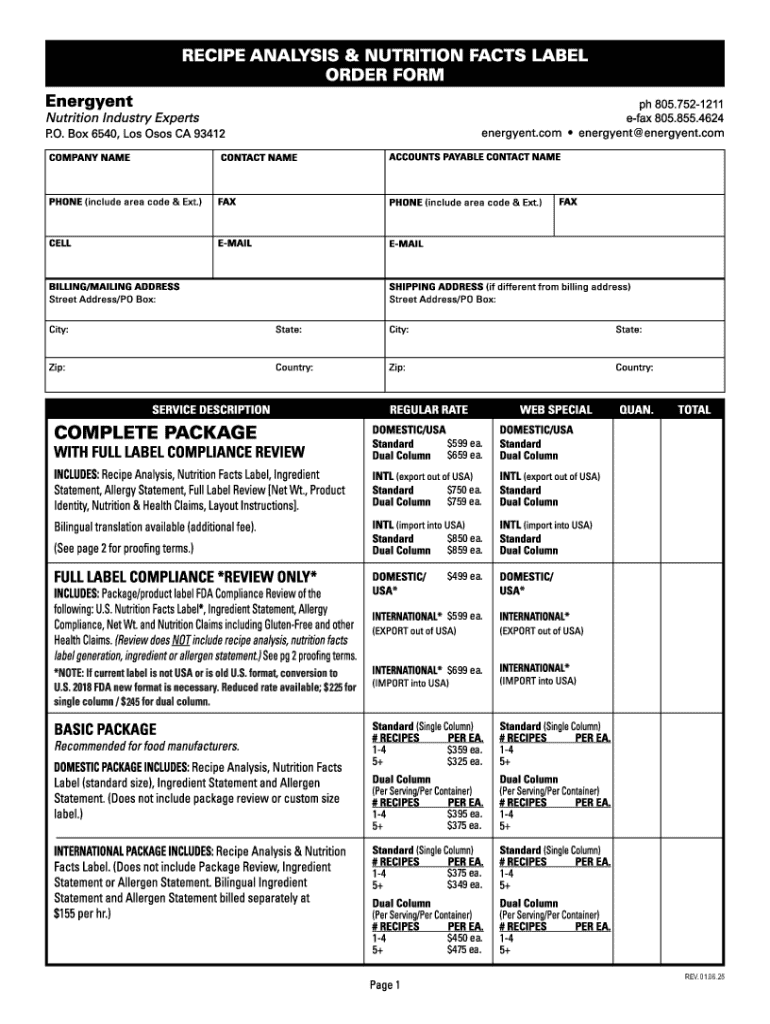
"$599 ea" typically designates an item price within a catalog or inventory list, where "ea" stands for "each," indicating that each unit of the product costs $599. This notation is commonly used in various types of price lists, including retail catalogs, product inventories, and wholesale markets. Understanding this simple yet pivotal terminology is crucial for businesses, consumers, and anyone interacting with price listings across various domains.
The "$599 ea" pricing format is straightforward and communicates the pricing structure directly and concisely. Common in sales environments, it allows businesses to present a clear, itemized cost, facilitating easier comparisons and decision-making for potential buyers. Recognizing this pricing format enables consumers and businesses alike to manage budgets effectively and establish clear expectations regarding the cost of goods and services.
Key Elements of the $599 ea
When considering the "$599 ea" price point, several key elements are significant. First, the context of use is essential; this price may appear in product catalogs, online stores, or during bulk purchasing sessions where uniform pricing is vital. Next, knowing whether this price includes taxes, shipping, or additional fees is crucial to understand the final cost. Businesses often disclose this information in the terms and conditions or product descriptions.
For sellers, maintaining transparent pricing and conditions surrounding the "$599 ea" is important for customer trust and satisfaction. Discussing any promotional offers, limited-time discounts, or exclusive deals relevant to this price can also be vital. Often, this price point could also be part of tiered pricing strategies where buying in bulk could lead to discounts, further affecting the decision-making process for buyers.
How to Use the $599 ea
To utilize the "$599 ea" pricing effectively, businesses must display it prominently in their marketing materials and ensure it aligns with their sales strategy. For example, ensure that this price appears in product descriptions, advertising campaigns, and point-of-sale systems to guide customers transparently toward purchasing decisions. Clarity in presentation fosters customer confidence and can lead to increased sales.
For consumers, using this pricing information efficiently involves comparing it against competitors' prices to make informed purchasing choices. Consider factors like product features, brand reputation, and any additional costs, ensuring the purchase aligns with personal or business budgets. Use this price point to evaluate the item's value effectively against its utility or necessity within current market offerings.
Steps to Complete a Purchase of an Item Priced at $599 ea
-
Identify the Product: Start by selecting the desired product listed at "$599 ea" from a catalog, online store, or physical retail outlet.
-
Add to Cart or Purchase List: For online shopping, click on "Add to Cart." In a physical store, write this in an order form or inform a sales associate.
-
Verify Details: Review the product specifications, ensuring it meets your requirements. Double-check that the price accurately reflects the "$599 ea" listing.
-
Check Additional Costs: Look into potential shipping fees and taxes. Ensure that these additional costs align with your budget.
-
Enter Payment Info: Provide your payment details, opting for a secure payment method. Make sure this information is encrypted and protected.
-
Confirm Order: Review and confirm your order details. Upon confirmation, you'll receive a purchase acknowledgment, typically via email for online transactions.
Examples of Using the $599 ea
One practical example of "$599 ea" is in electronics retail, where individual smartphones or laptops might be priced at this amount. Customers would see this price listed on product pages, physical price tags, or promotional ads. Another instance could be in furniture sales where a specific model of office chairs or desks is priced at "$599 ea," allowing businesses or consumers to easily assess the cost against their needs and budget plans.
In some wholesale contexts, "$599 ea" may apply to bulk items, meaning that each unit bought from a bulk shipment adheres to this price, enhancing cost management for purchasing managers within companies. Here, the term defines straightforward pricing, ensuring that both buyers and sellers remain clear about the transaction terms.
Who Typically Uses the $599 ea
Different groups, including retailers, wholesalers, and consumers, typically encounter the "$599 ea" price format. Retailers use it in their pricing strategies, making it easier for customers to perceive value and compare prices across brands. Wholesalers might employ this format within bulk order systems to apply consistent pricing across large quantities, enhancing transparency and efficiency in transactions.
Consumers benefit from clearly understanding the per-unit cost for larger purchases, aiding in budget planning and value assessment. Financial administrators in businesses also leverage this clarity to manage procurement processes efficiently, ensuring that pricing consistency aligns with corporate buying policies and audit requirements.


Important Terms Related to $599 ea
Key terms associated with "$599 ea" include "unit price," "each," and "exclusive of taxes." Understanding "unit price" involves recognizing it as the cost for a single item out of a larger group, enhancing price transparency and purchasing decisions. The term "each" specifies that the listed price applies to an individual unit rather than a grouped rate, critical in retaining clarity. Additionally, "exclusive of taxes" indicates that taxes are not included in the quoted price, requiring consumers to account for these when finalizing purchases.
Exploring these terms equips consumers and businesses with the necessary vocabulary to navigate and negotiate complex pricing structures in various economic environments, enhancing financial literacy and decision-making effectiveness.