






Definition and Purpose of the Unemployment Insurance Appeals Handbook
The Unemployment Insurance Appeals Handbook is a crucial document designed to aid claimants and employers in understanding the process for appealing decisions related to unemployment benefits. It serves as a comprehensive guide that outlines the necessary steps, roles, and procedures involved in the appeals process. By providing detailed information, the handbook aims to facilitate a fair and transparent process, ensuring all parties have the knowledge needed to navigate appeals effectively.
Key Functions of the Handbook
- Guidance for Claimants and Employers: The handbook offers step-by-step instructions for filing an appeal, outlining the responsibilities of both claimants and employers.
- Clarification of Legal Procedures: It demystifies the legal aspects of the appeals process, making it more accessible to individuals without a legal background.
- Resource for Necessary Documentation: The document lists the essential forms and evidence required to support an appeal effectively.
How to Use the Unemployment Insurance Appeals Handbook
The utilization of the Unemployment Insurance Appeals Handbook is intended to be user-friendly, ensuring that its readers can easily locate and apply the necessary information throughout the appeals process.
Step-by-Step Process for Effective Use
- Identify Relevant Sections: Start by locating the sections of the handbook that are most pertinent to your specific situation, such as filing an appeal or understanding hearing procedures.
- Follow Detailed Instructions: Adhere closely to the guidelines provided for each stage of the appeals process to ensure compliance and prevent potential setbacks.
- Utilize Provided Templates: Leverage templates for forms and letters included in the handbook to streamline documentation efforts.
- Review Legal Terms: Familiarize yourself with legal terminologies explained in the handbook to better comprehend legal procedures and communications.
Important Terms Related to the Unemployment Insurance Appeals Handbook
Understanding the terminology used in the Unemployment Insurance Appeals Handbook is essential for effectively navigating the appeals process.
Key Terms and Their Meanings
- Appeals Tribunal: A designated body that conducts hearings and makes initial rulings on unemployment benefit disputes.
- Board of Review: A panel that reviews Appeals Tribunal decisions when further appeal is sought.
- Filing Deadline: The time limit within which an appeal must be submitted to be considered valid.
- Hearing: A formal meeting where evidence is presented, and arguments are made regarding the appeal.
- Legal Representation: Having an attorney or advocate assist throughout the appeals process to ensure proper handling of the case.
Steps to Complete the Unemployment Insurance Appeals Handbook
Completing the appropriate sections of the handbook is essential for preparing a well-documented and effective appeal.
Essential Steps for Completion
- Gather Required Information: Compile any relevant documentation including employment history, earnings statements, and previous correspondence regarding the claim.
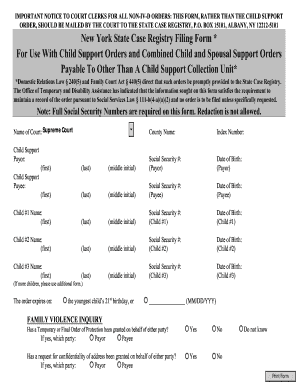
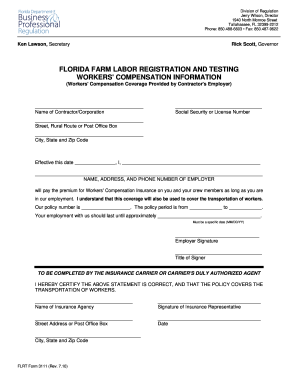
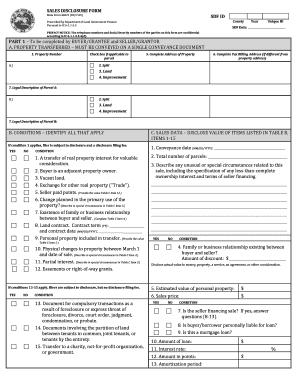
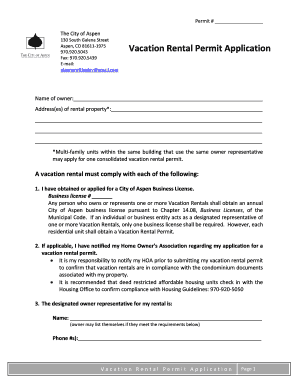
- Complete Required Forms: Fill out any necessary forms as indicated by the handbook to formally initiate the appeals process.
- Submit Evidence: Attach supportive evidence to strengthen the appeal, such as letters from previous employers or any documented misunderstandings.
- Review and Finalize Submission: Carefully review all documents for accuracy and completeness before submission, paying special attention to deadlines.
State-Specific Rules for the Unemployment Insurance Appeals Handbook
The appeals process for unemployment insurance may differ across states due to variances in law and procedure.
Understanding State Variations
- Georgia Example: In Georgia, the Appeals Tribunal is the body responsible for initial appeal hearings, and its procedures are well-documented in the state’s version of the handbook.
- Different Regulations: Other states may have unique timelines for appeals, specific required forms, or distinct procedural nuances that are outlined in their respective handbooks.
- Resource Accessibility: State-specific variants of the handbook often include information on resources for legal aid or simplified guides provided by state labor departments.
Legal Use of the Unemployment Insurance Appeals Handbook
Navigating the unemployment appeals process legally and effectively requires adherence to the guidelines and principles outlined in the handbook.
Ensuring Compliance and Fair Practice
- Timely Filing: Ensuring the appeal is filed within the designated timeframe to maintain validity.
- Following Protocol: Sticking to the procedural steps outlined in the handbook to avoid dismissal of the appeal due to technical errors.
- Understanding Rights: Being informed of legal rights involved in the process helps in making informed decisions and requesting necessary accommodations.
Examples of Using the Unemployment Insurance Appeals Handbook
Practical examples of how individuals and businesses can leverage the handbook to successfully navigate the appeals process are numerous.
Case Study Scenarios
- Claimant Appeal: An individual believes their unemployment benefits claim was denied unfairly and uses the handbook to learn how to gather evidence and file an appeal through the proper channels.
- Employer Contesting Decision: An employer is disputing a former employee’s claim to benefits; the handbook provides the necessary steps to prepare and submit their appeal.
- Multi-party Appeals: Instances where both claimant and employer are involved in an appeal, each using the handbook to understand their respective roles and the evidence required.
Key Elements of the Unemployment Insurance Appeals Handbook
A breakdown of the essential components within the handbook is vital to comprehending its overall structure and utility.
Critical Components to Note
- Procedural Guide: Detailed instructions on each step of the appeals process, including preparation, submission, and follow-up.
- FAQs Section: Frequently asked questions to provide immediate assistance on common concerns and issues.
- Evidence Checklist: A list of suggested documents and proof required to support an appeal sufficiently.
- Contact Information: Resources and contacts for additional support, such as state unemployment offices or legal aid services.