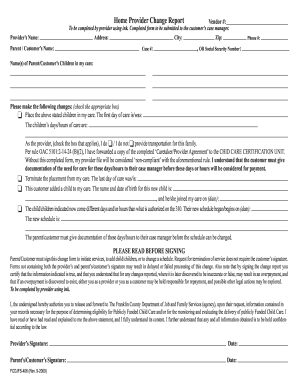
Dppc reporting form 2026

Get Form
dppc reporting form Preview on Page 1

Here's how it works

01. Edit your dppc reporting form online
Type text, add images, blackout confidential details, add comments, highlights and more.

02. Sign it in a few clicks
Draw your signature, type it, upload its image, or use your mobile device as a signature pad.

03. Share your form with others
Send dppc reporting form via email, link, or fax. You can also download it, export it or print it out.

Definition & Importance of the DPPC Reporting Form

The DPPC Reporting Form is a critical tool used to report incidents of abuse or neglect involving disabled individuals in Massachusetts. Managed by the Commonwealth's Disabled Persons Protection Commission (DPPC), this form is structured to gather comprehensive information about reported incidents to ensure proper investigation and response. Timeliness and accuracy in completing the form are paramount, as they aid in safeguarding individuals and facilitating necessary interventions.

Key Sections of the DPPC Reporting Form

  • Reporter Information: Collects detailed data about the individual filing the report, including contact information and relationship to the victim.
  • Victim Details: Requires thorough information about the alleged victim, such as their name, disability type, and current safety concerns.
  • Alleged Abuser Information: Includes descriptors of the person accused of abuse, aimed at aiding identification and investigation processes.
  • Incident Description: Encourages a detailed narrative of the alleged incident, encompassing the date, time of occurrence, and any witnesses.
  • Risk Assessment: Evaluates ongoing risk factors affecting the victim to prioritize urgent cases and necessary interventions.

Step-by-Step Guide to Using the DPPC Reporting Form

Utilizing the DPPC Reporting Form effectively necessitates precision and adherence to its structured format. Here's how you can efficiently complete the form:

  1. Gather Information: Before filling out the form, collect all available details about the incident, the victim, and the alleged abuser.
  2. Section-by-Section Completion: Fill in each section of the form with the required data, ensuring clarity and completeness.
  3. Verify Details: Check that all information provided is accurate to avoid delays in processing.
  4. Submit the Form: Choose your preferred method of submission—online, mail, or in-person—to the DPPC, and ensure it arrives promptly.

Importance of Accuracy

Accurate reporting is vital as it directly influences the urgency and type of response the commission can provide to the alleged victim. Ensuring complete and correct data submission can facilitate swift protective measures and legal actions if required.

How to Obtain the DPPC Reporting Form

The DPPC Reporting Form is accessible through several channels to ensure ease of reporting.

  • Online Access: The form is available for download on the official website of the Commonwealth of Massachusetts DPPC.
  • Request by Mail: You can request a physical copy by contacting the DPPC directly.
  • In-Person Collection: Visit a local DPPC office to pick up a copy of the form.

Considerations for Access

Effortlessly obtaining the form ensures that reporters can fulfill their duty to report concerns efficiently, often crucial in protecting vulnerable individuals.

Legal Implications of the DPPC Reporting Form

Filing a report using the DPPC Form is not just a civic responsibility but also a legal requirement under Massachusetts law for certain mandatory reporters, including professionals like healthcare workers, educators, and law enforcement officials.

Legal Requirements for Reporters

  • Mandatory Reporting: Specific professional groups are obligated by law to report suspected abuse.
  • Confidentiality: The reporting form comes with protections that maintain the confidentiality of the reporter, shielding them from potential retaliation.

Important Terms Related to the DPPC Reporting Form

Understanding the terminology is crucial to accurately completing the form.

  • Mandated Reporter: An individual required by law to report suspected abuse.
  • Neglect: A form of abuse involving failure to provide necessary care leading to harm.
  • Incident Date: The specific date and time when the alleged abuse occurred.

Terminology Impact

Proper comprehension of these terms ensures precise and meaningful data entry, enhancing the response's effectiveness based on the report.

Penalties for Non-Compliance

Failing to submit the DPPC Reporting Form when required can lead to serious consequences, especially for mandated reporters who neglect this duty.

Potential Consequences

  • Legal Penalties: Fines and penalties can be imposed for failure to report.
  • Professional Repercussions: Certain professionals may face disciplinary action or loss of certification or licensure.

Who Typically Utilizes the DPPC Reporting Form?

The form is widely used across various sectors by individuals with a duty of care towards disabled individuals.

  • Healthcare Providers: Doctors, nurses, and care workers recognizing signs of abuse.
  • Educators: Teachers and school staff noting behavioral or physical signs.
  • Social Workers: Engaged directly in monitoring and safeguarding vulnerable populations.

Electronic and Paper Versions of the DPPC Reporting Form

The form is available in both electronic and paper formats, catering to diverse user preferences and technology access levels.

Advantages of Each Format

  • Electronic Form: Enables quicker submission and processing, especially beneficial for mandated reporters working in fast-paced environments.
  • Paper Form: Offers accessibility for those without reliable internet access, with options for in-person submission ensuring no barriers to reporting.

By understanding these facets of the DPPC Reporting Form, users can effectively navigate the reporting process, contributing to the protection and support of disabled individuals experiencing abuse or neglect.

be ready to get more

Complete this form in 5 minutes or less

Get form

Got questions?

We have answers to the most popular questions from our customers. If you can't find an answer to your question, please contact us.
Contact us
While everyone should report suspected abuse or neglect, some people in the community are required by law to make reports to authorities. These people are called mandatory reporters. Children often cant or wont speak up if their parents, caregivers or other people are abusing them.
A report to DPPC should be made if there is reasonable cause to believe that an individual has been injured, harmed, mistreated, exposed to risk, or been subjected to inhumane treatment due to the actions, inactions, or negligence of a caregiver or provider.
Reporting Abuse Neglect of Individuals with Disabilities Mandated and non-mandated reporters report suspected instances of abuse of a person with a disability by filing a verbal report with the DPPC Hotline at 800-426-9009 and by submitting a written report to the DPPC.
You should make the report as soon as you have reason to believe or receive a disclosure. You do not need to have proof and knowledge beyond a reasonable doubt that abuse is occurring. Some state laws indicate reasonable suspicion as necessary for the report.
any recent act or failure to act on the part of a parent or caretaker which results in death, serious physical or emotional harm, sexual abuse or exploitation (including sexual abuse as determined under section 111), or an act or failure to act which presents an imminent risk of serious harm.

Security and compliance

At DocHub, your data security is our priority. We follow HIPAA, SOC2, GDPR, and other standards, so you can work on your documents with confidence.
Learn more
ccpa2
pci-dss
gdpr-compliance
hipaa
soc-compliance
be ready to get more

Complete this form in 5 minutes or less

Get form

People also ask

If you know or have reason to believe a child is being or has been neglected or physically or sexually abused within the preceding three years you must immediately (within 24 hours) make a report to an outside agency. If you know or suspect that a child is in immediate danger, call 9-1-1.

Related links