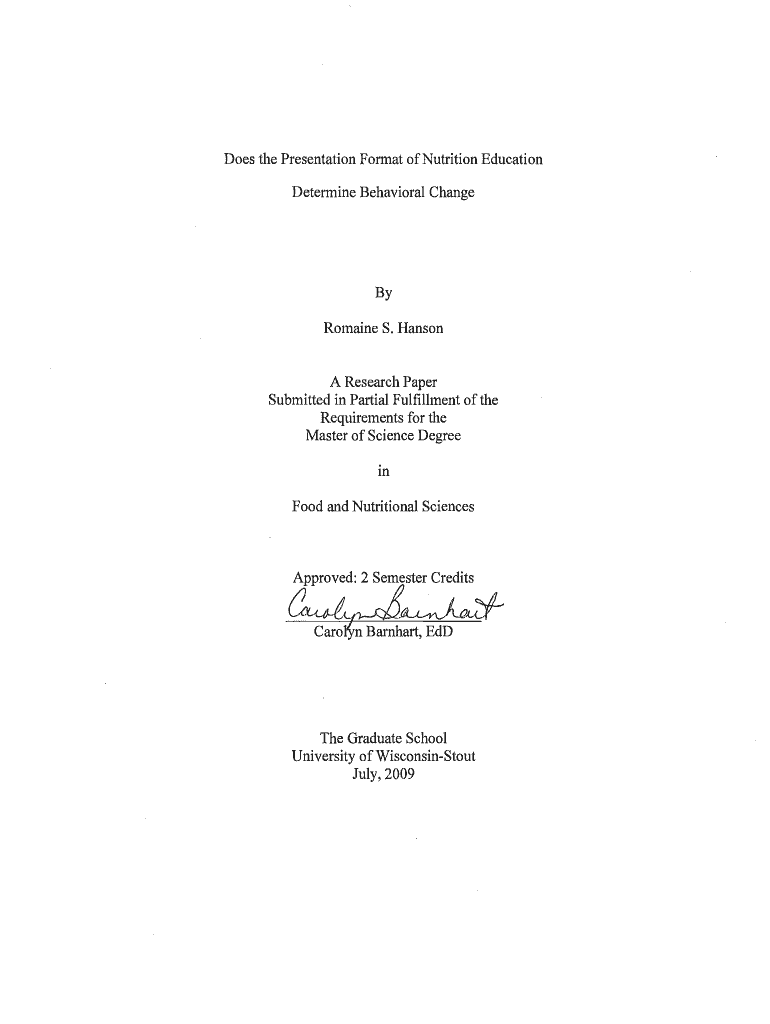







Definition and Meaning of Nutrition Education Presentation Formats
Nutrition education presentation formats refer to the various methods and styles used to deliver educational content related to nutrition. These formats can include lectures, games, or interactive activities aimed at conveying information about healthy eating habits, dietary guidelines, and nutritional science. The choice of presentation format can significantly impact how well the audience understands and retains the information.
Key Elements of Effective Nutrition Education Formats
- Cognitive Consideration: Tailor the format to match the cognitive development level of the audience. Younger children may benefit more from interactive or game-based learning, while older students can handle more structured lectures.
- Engagement Techniques: Use a mix of visual aids, hands-on activities, and interactive discussions to keep the audience engaged and interested.
- Content Relevance: Ensure the content is relatable and applicable to the audience's daily lives, making it easier for them to apply what they learn.
- Feedback Mechanisms: Incorporate pre-tests and post-tests to evaluate the effectiveness of the educational session and adjust future content accordingly.
How to Use Nutrition Education Formats Effectively
- Identify Your Audience: Understand the age group, background, and knowledge level of your audience to select the appropriate format.
- Select a Format: Choose between various methods such as lectures, interactive games, or group discussions depending on the audience's needs.
- Plan the Session: Develop a clear outline of the topics to cover, including any activities or assessments you intend to use.
- Execute and Engage: Use visual aids, encourage participation, and adapt your delivery based on audience feedback during the session.
- Assess and Adapt: Use evaluations to measure the effectiveness of the session and make note of any adjustments needed for future presentations.
Steps to Complete a Nutrition Education Session
- Preparation: Gather all necessary materials and resources needed for the presentation, including handouts, projection equipment, or educational games.
- Introduction: Start by explaining the purpose and objectives of the session to the audience.
- Content Delivery: Follow your planned session outline, using the selected format to engage with the audience actively.
- Interactive Activities: Facilitate activities that reinforce the lesson and allow participants to apply their knowledge practically.
- Feedback and Evaluation: Conduct post-tests or collect feedback to assess the session's effectiveness and identify areas for improvement.
Important Terms Related to Nutrition Education
- Behavioral Change: A goal of nutrition education is often to encourage changes in dietary habits, promoting healthier choices among the audience.
- Cognitive Development Stages: Understanding these stages helps educators tailor their approach to better suit the learning capacity of different age groups.
- Interactive Learning: This approach involves engaging participants through direct participation in activities that reinforce learning.
- Pre-Test/Post-Test: Tools used to measure participants' knowledge before and after the education session to assess its effectiveness.
Examples of Using Different Nutrition Education Formats
- Lecture Format: Used in a classroom setting to deliver structured information to older students, focusing on details about dietary guidelines and nutrition science.
- Game-Based Learning: Implemented with young children to teach basic nutrition concepts through interactive and fun activities, like matching games or quizzes.
- Discussion Groups: Encourages peer-to-peer learning and deeper understanding through interactive discussion about food choices and nutrition-related topics.
Who Typically Uses Nutrition Education Formats
Nutrition education formats are commonly used by:
- School Teachers: To impart essential nutrition knowledge as part of health education curricula.
- Dietitians and Nutritionists: In community health settings to educate the public about healthy eating habits.
- Public Health Officials: To promote governmental dietary guidelines and improve public health outcomes.
Legal Use and Considerations
- Educational Compliance: Ensure that the education materials comply with local and federal educational guidelines and standards.
- Cultural Sensitivity: Tailor content to respect and incorporate cultural diversity and dietary differences.
- Data Privacy: When collecting data from participants (e.g., survey responses), adhere to privacy laws and ethical standards.
State-Specific Rules and Regulations
Nutrition education programs may need to adhere to specific state educational guidelines, which can vary. It's essential to verify if there are state-specific requirements for delivering nutrition-related education in any public or institutional settings.