







Definition and Meaning
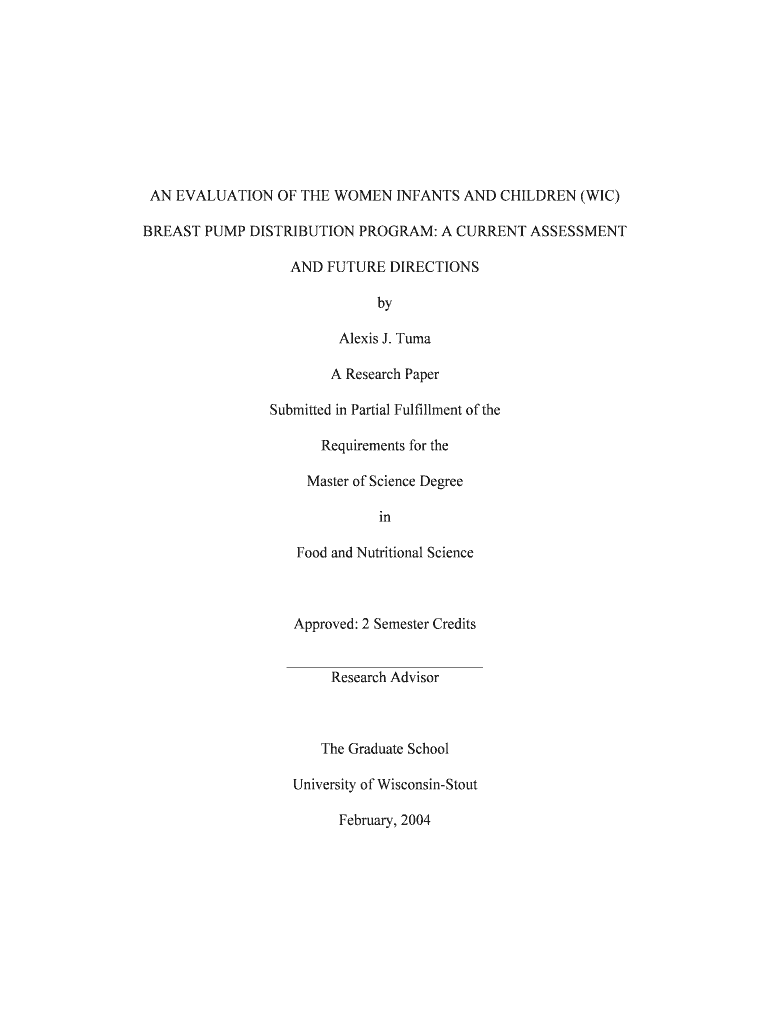
The primary keyword "Despite recent increases, rates of breastfeeding initiation and continuation fall far short of natio" relates to the disparity between the actual breastfeeding practices among mothers and the national targets set for breastfeeding initiation and continuation in the United States. This form likely involves assessing efforts and outcomes related to public health initiatives aimed at promoting breastfeeding. It is vital for understanding the discrepancies in breastfeeding practices and identifying strategies to improve support systems for mothers.
Key Elements of the Form
This form documents and evaluates the factors influencing breastfeeding rates. It typically includes sections on demographic factors, availability of resources like lactation consultants, accessibility to breastfeeding facilities, and societal attitudes towards breastfeeding. Understanding these elements can help policymakers and healthcare providers identify barriers and tailor interventions to support mothers in initiating and continuing breastfeeding.
Important Terms Related to the Form
Understanding this form requires familiarity with terms such as "breastfeeding initiation" (the process of starting breastfeeding soon after birth), "breastfeeding continuation" (sustaining breastfeeding over a defined period), and "national breastfeeding goals," which are targets often set by healthcare organizations or government bodies to improve child and maternal health outcomes.
Steps to Complete the Form
Completing this form involves several steps that require careful documentation and analysis of breastfeeding practices:
- Collecting Data: Gather data on breastfeeding initiation and continuation rates from relevant healthcare facilities.
- Analyzing Patterns: Identify trends and patterns in the data, such as differences in rates among various demographic groups.
- Identifying Barriers: Determine potential barriers that prevent mothers from initiating or continuing to breastfeed.
- Formulating Recommendations: Propose actionable steps to increase breastfeeding rates, such as enhanced support programs or awareness campaigns.
Who Typically Uses This Form
The form is predominantly used by public health officials, healthcare providers, lactation consultants, and researchers. These stakeholders utilize the form to inform policy decisions, design interventions, and evaluate the effectiveness of breastfeeding programs. Its insights are crucial for creating supportive environments for breastfeeding mothers.
Legal Use of the Form
The use of this form aligns with public health legislation and breastfeeding initiatives championed by entities such as the Centers for Disease Control and Prevention (CDC). It plays a key role in legal frameworks that mandate tracking and reporting breastfeeding rates for compliance with national health objectives.
Examples of Using the Form
- Public Health Studies: Researchers utilize the form to publish studies that examine the effectiveness of breastfeeding support programs.
- WIC Programs: Women, Infants, and Children (WIC) programs might use this form to evaluate the impact of distributed breastfeeding resources.
- Healthcare Facilities: Hospitals use the data to improve maternity care practices and align with Baby-Friendly Hospital Initiative standards.
State-Specific Rules
Breastfeeding initiation and continuation efforts can vary significantly across states due to differing healthcare policies, funding, and cultural attitudes. States may have specific requirements on how this form is completed or reported, reflecting local regulations and priorities for maternal and infant health.
Digital vs. Paper Version
With technological advancements, the form is available in both digital and paper formats. The digital version often allows for more efficient data collection and analysis due to its ability to integrate with electronic health records (EHRs). On the other hand, paper versions might still be used in contexts where digital access is limited.
Software Compatibility
The digital format of the form should be compatible with data analysis and record-keeping software such as Microsoft Excel or specialized public health databases. Compatibility ensures that collected data can be adequately processed and shared with relevant stakeholders.
Application Process & Approval Time
The process for completing this form and obtaining any necessary approvals generally involves data collection followed by submission to public health oversight bodies. The approval time can vary based on the complexity of the data and the comprehensiveness of the report. Standard procedures should be followed to ensure timely review and acceptance.




