Definition & Meaning
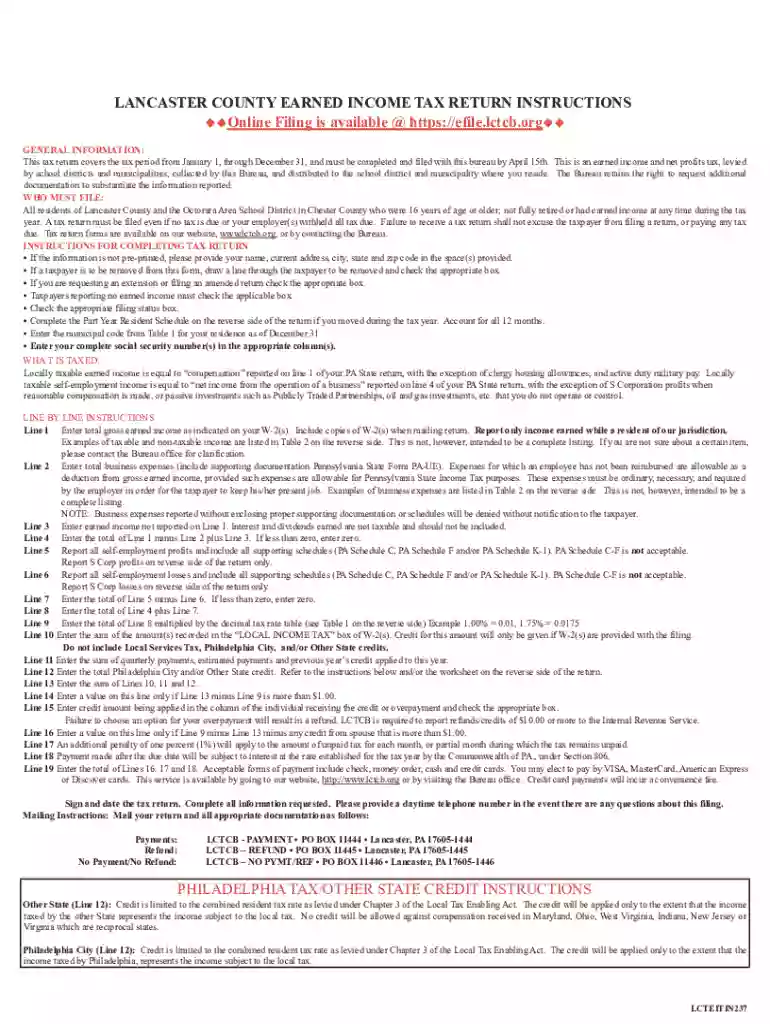
The Reg-1 Earned Income and Net Profits Tax Regulations provide guidelines for understanding how earned income and net profits are taxed within certain jurisdictions. These regulations are essential for taxpayers, including individuals and businesses, to ensure their income is properly categorized and reported for tax purposes.
- Earned Income: Refers to wages, salaries, bonuses, and other forms of compensation received for services rendered. It is usually subject to federal and state tax regulations.
- Net Profits: This pertains to the income a business retains after all operating expenses, interest, taxes, and other costs have been deducted from total sales.
Understanding these definitions can help taxpayers ensure compliance with local tax laws and accurately fulfill their tax obligations.
How to Use the Reg-1 Earned Income and Net Profits Tax Regulations
To effectively utilize the Reg-1 Earned Income and Net Profits Tax Regulations, taxpayers should:
- Review Definitions: Start by understanding the key terms such as earned income, net profits, and taxable income.
- Determine Tax Obligations: Identify what portion of your income is subject to these regulations. This involves distinguishing between different types of income and understanding applicable tax rates.
- Consult State Guidelines: Since tax regulations can vary by state, verify how your state approaches these taxes. This may involve consulting additional state-specific documents.
- Calculate Tax Liabilities: Use the regulation to ascertain your total tax liability, taking into account all eligible deductions and credits.
- Report Income Properly: Ensure all taxable income is reported accurately on your tax return to avoid penalties.
Utilizing tax preparation software that is compatible with these regulations can help automate the calculation and reporting processes.
Steps to Complete the Reg-1 Earned Income and Net Profits Tax Regulations
Filing under the Reg-1 Earned Income and Net Profits Tax Regulations involves a series of steps to ensure accurate compliance:
- Gather Required Documents: Compile all necessary documents, including W-2s, 1099s, and any records of deductible expenses.
- Calculate Earned Income: Sum up all wages, salaries, and other earned incomes documented over the tax year.
- Determine Net Profits: For business owners, calculate net profits by subtracting allowable business expenses from gross income.
- Complete the Form: Fill out the necessary sections of the tax form associated with the Reg-1 regulations, ensuring all information is accurate.
- Submit the Form: Choose a submission method (online, mail, or in-person).
- Keep Records: Retain copies of all forms and supporting documents for future reference or audit purposes.
Each step is crucial in ensuring that individuals and businesses adhere to compliance requirements.
Key Elements of the Reg-1 Earned Income and Net Profits Tax Regulations
Several key elements are central to the Reg-1 Earned Income and Net Profits Tax Regulations:
- Taxable Income: Defined by the accumulated earnings from employment and other sources after allowable deductions.
- Tax Deductions and Credits: Identify applicable deductions that can reduce taxable income and credits to lower tax liabilities.
- Submission Deadlines: These regulations are subject to specific deadlines, which should align with federal income tax deadlines unless specified otherwise.
- Compliance and Enforcement: There are legal implications for misreporting or failing to comply with these regulations, which can result in penalties.
Each of these elements demands careful consideration during the tax filing process.
State-Specific Rules for the Reg-1 Earned Income and Net Profits Tax Regulations
State-specific rules may influence how these regulations apply:
- Tax Rates: States may have different tax rates or thresholds for earned income and net profits.
- Deductions and Exemptions: States can vary in terms of available deductions and exemptions.
- Filing Methods: The availability of electronic filing and in-person submission options may differ across states.
- Reporting Requirements: State tax forms may require additional information compared to federal forms.
Taxpayers should consult their state's Department of Revenue or equivalent authority for precise guidance.
Who Typically Uses the Reg-1 Earned Income and Net Profits Tax Regulations
The primary users of the Reg-1 Earned Income and Net Profits Tax Regulations include:
- Employees: Individuals who earn wages, salaries, or bonuses.
- Business Owners: Those who run sole proprietorships, partnerships, or corporations and need to account for business profits.
- Freelancers and Contractors: Self-employed individuals who must report all income derived from their contracted work.
- Retirees: Those with pension benefits or residual income may also need to refer to these regulations.
Understanding user-specific requirements can help tailor the tax filing process.

Filing Deadlines / Important Dates
Critical deadlines must be observed when filing under these regulations:
- Annual Filing Deadline: Typically coincides with the federal tax filing deadline, usually April 15.
- Quarterly Estimated Payments: For those earning non-salaried income, such as business owners, the deadlines are generally in April, June, September, and January.
- Extended Filing: Taxpayers can apply for extensions if needed, but this typically does not extend the payment deadline.
Being aware of these deadlines is essential to avoid late fees or penalties.
Penalties for Non-Compliance
Failing to comply with the Reg-1 Earned Income and Net Profits Tax Regulations can result in penalties such as:
- Fines: Monetary penalties may be imposed for late filings or underreporting income.
- Interest Charges: Accrued on unpaid taxes from the due date until full payment is made.
- Legal Consequences: Severe cases of non-compliance could lead to legal action or scrutiny by tax authorities.
Understanding potential penalties underscores the importance of timely and accurate filing.