





Definition and Meaning of Form Online
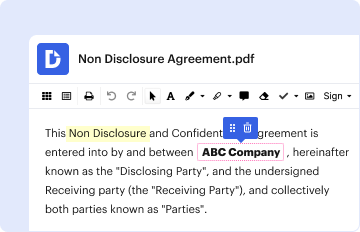
Form online refers to the digital version of a traditionally paper-based form, which can be accessed, filled out, and submitted via the internet. This modern approach to form management prioritizes efficiency, accessibility, and environmental sustainability by reducing or eliminating the need for paper. Forms online can encompass various types, such as tax documents, application forms, legal agreements, or business contracts, reflecting their widespread application across different sectors.
Advantages of Using Forms Online
- Accessibility: Allows users to access and submit forms from anywhere with an internet connection.
- Efficiency: Streamlines the process of filling out and submitting forms, reducing time spent on administrative tasks.
- Environmental Benefits: Less reliance on paper contributes to resource preservation.
Common Uses
Forms online are utilized in numerous domains, including government, education, healthcare, and finance, underscoring their versatility and practicality.
How to Use the Form Online
Using an online form generally involves a straightforward process that enhances user experience and convenience. The process is designed to guide users through filling out and submitting forms efficiently.
Steps to Use
- Access the Form: Locate the form on the relevant website or document management platform.
- Filling Out the Form: Enter necessary information, ensuring accuracy and completeness.
- Submission: Follow the platform’s instructions to submit the form. This might involve clicking a "Submit" button or sending the form to a specific email address.
Additional Features
- Autofill Options: Many systems offer autofill features to expedite data entry.
- Error Alerts: Real-time alerts can notify users of missing or incorrect information.
Steps to Complete the Form Online
Completing a form online involves several key steps that ensure the form is properly filled out and submitted. Careful attention to detail during this process is crucial.
- Preparation: Gather all necessary information and documents before starting.
- Input Information: Carefully fill in each field, following any specific instructions provided.
- Review: Double-check all entries for accuracy to prevent errors.
- Save Progress: If applicable, save your progress periodically to prevent data loss.
- Submit Form: Confirm all fields are complete, then submit the form as directed.
Tips for Effective Completion
- Use Correct Formats: Ensure dates, numbers, and other entries are in the correct format.
- Mandatory Fields: Pay special attention to required fields to avoid submission issues.
Why Should You Form Online
The transition to using forms online offers numerous benefits that extend beyond basic convenience, impacting efficiency and effectiveness for both individuals and organizations.
Benefits Overview
- Streamlined Processes: Online forms simplify data entry and management.
- Speed: Reduces lag time associated with traditional mailing or in-person delivery.
- Cost-Effective: Eliminates printing and postage costs associated with paper forms.
Use Case Scenarios
- Remote Work: Facilitates seamless form submission and management in remote work setups.
- Global Access: Enables users from different geographic locations to interact with forms seamlessly.
Who Typically Uses the Form Online
Various user groups across multiple industries regularly use online forms due to their utility and flexibility.

Common User Groups
- Businesses: For tax filings, contracts, and human resources processes.
- Government Agencies: For permits, licenses, and census data collection.
- Educational Institutions: For admissions, registrations, and academic records.
User Benefits
Each group leverages online forms for improved interaction with stakeholders, ensuring a systematic approach to information collection and dissemination.
Key Elements of the Form Online
Understanding the essential components of an online form can facilitate smoother interactions and submissions.
Core Elements
- Text Fields: Where users input text data.
- Checkboxes and Radio Buttons: For selecting options or affirming permissions.
- Dropdown Menus: Provide a list of selectable options for better organization.
Enhancements
- Form Validation: Ensures the entered data meets required criteria.
- Auto-Save Feature: Prevents data loss in the event of a session timeout.
Legal Use of the Form Online
Online forms are equally subject to legal considerations that mirror their paper counterparts. Adhering to legal guidelines ensures their validity in official transactions.
Compliance Factors
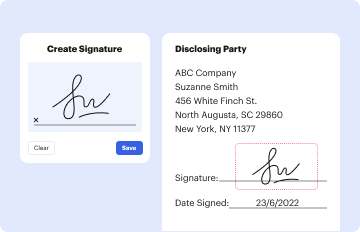
- Electronic Signatures: Must comply with laws such as the ESIGN Act in the U.S., making them legally admissible.
- Privacy Regulations: Compliance with laws like GDPR or CCPA is vital, especially concerning user data handling.
Security Measures
Use encryption and secure access protocols to protect sensitive information shared via online forms.
Digital vs. Paper Version
A comparison between digital and traditional paper forms highlights the advantages digital forms offer, while also acknowledging scenarios where paper forms might still be used.
Comparison Highlights
- Speed and Accessibility: Digital forms provide instant access and submission capabilities, unlike paper forms which require manual handling.
- Environmental Impact: Paperless processes contribute to environmental conservation, reducing resource consumption associated with paper production.
- Traceability: Digital forms often offer better traceability through audit trails and data logs, aiding in transparency and accountability.
Scenarios Favoring Paper Forms
While digital forms are preferred for their many benefits, paper forms may still be suitable for users lacking internet access or in regions with limited digital infrastructure.