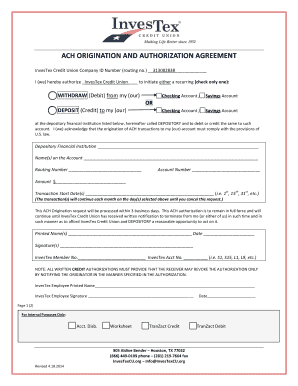
Definition and Meaning of Credit Advice
Credit advice is a financial document used to provide detailed information about financial transactions related to tax reclaims, payments, or other financial credits. This form is typically issued by a financial institution or a tax authority and serves to inform the recipient about credit allocations being made to their account. It includes critical data points such as security details, dividend or interest rates, tax amounts, and payment information. The purpose is to offer clarity and transparency in financial dealings, making it essential for managing financial records accurately.
Key Elements of Credit Advice
- Security Details: Includes information on the type of financial instrument or asset involved.
- Dividend/Interest Rates: Specifies the applicable rates for calculating credits.
- Tax Amounts: Details the taxes deducted or to be reclaimed, providing transparency on financial obligations.
- Payment Information: Lists all relevant account numbers, dates, and transaction details associated with the credit.
How to Use the Credit Advice
Using credit advice involves verifying the accuracy of the information provided and applying the details to appropriate financial records. It is important to cross-check the amounts and rates listed to ensure they align with expectations and contractual arrangements.
Steps in Using Credit Advice
- Review the Document: Ensure all sections, such as account details and transaction amounts, are complete and accurate.
- Reconcile Accounts: Use the advice to update financial records, matching credits to corresponding debits.
- Record Keeping: File the document in your financial records for future reference and audits.
How to Obtain Credit Advice
Obtaining credit advice generally requires a formal request to a financial institution or tax authority, especially when dealing with tax credits or adjustments to financial accounts. The method may vary depending on the issuer's protocols and the nature of the credit involved.
Methods to Request Credit Advice
- Contact Financial Institution: Contact the bank or brokerage where the account is held.
- Online Portals: Some institutions offer online services to access and request documents.
- Written Request: Sometimes, a formal written request is necessary, outlining the specific transaction or credit type.
Steps to Complete Credit Advice
Completing a credit advice form correctly is crucial to ensure the credit is accurately applied. Typically, the form needs detailed personal and financial information.
Completion Process
- Fill Personal Information: Include name, address, and any account-specific identifiers.
- Complete Transaction Details: Precisely record transaction numbers, amounts, and dates.
- Attach Supporting Documents: If necessary, include additional documentation like transaction receipts or agreements.
Importance of Credit Advice
Credit advice plays a vital role in financial management and compliance, providing a clear trail of financial transactions that can be used for audits, tax submissions, and personal financial planning. It ensures transparency and accountability in financial transactions.
Benefits
- Financial Transparency: Provides clear documentation of credits and debits.
- Audit Trail: Establishes a record that supports financial audits and reviews.
- Tax Compliance: Facilitates accurate tax reporting and reclaim processes.
Who Typically Uses Credit Advice?
Credit advice is utilized by individuals, businesses, and financial professionals who need to track and manage credit allocations accurately for accounting, tax, or investment purposes.
Common Users
- Accountants and Financial Advisors: Use it to ensure clients maintain accurate financial records.
- Businesses: Utilize the advice for financial planning and tax reporting.
- Tax Authorities: Rely on the form to verify reclaimed credits and deductions.


Required Documents for Credit Advice
When using or submitting credit advice, you may need to provide additional documentation to support the details it contains. This can include identification, account statements, or contracts related to the credited transaction.
Typical Documentation
- Identification Documents: Proof of the identity of the person or entity receiving the credit.
- Transaction Receipts or Invoices: To validate the details reflected in the credit advice.
- Contracts or Agreements: Any relevant agreements that pertain to the financial transaction.
Legal Use of Credit Advice
The credit advice not only aids in financial management but also carries legal implications. It must comply with financial regulations and taxation laws to ensure that the credits are recognized and valid.
Legal Considerations
- Compliance: Must adhere to relevant financial and tax laws.
- Validity: Ensure all details are accurate to avoid legal discrepancies.
- Documentation: Retain for a specified duration as per legal requirements for audits or disputes.