




01. Edit your form online
Type text, add images, blackout confidential details, add comments, highlights and more.

Type text, add images, blackout confidential details, add comments, highlights and more.

Draw your signature, type it, upload its image, or use your mobile device as a signature pad.

Send it via email, link, or fax. You can also download it, export it or print it out.
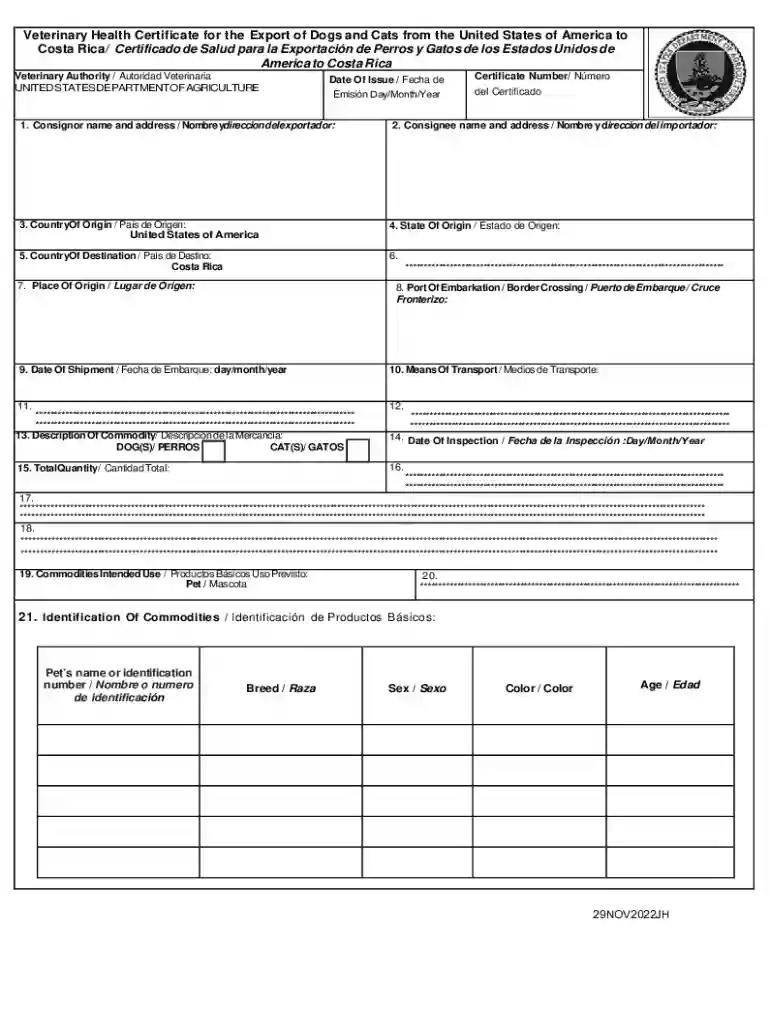
The veterinary health certificate for the export of dogs and cats serves as a mandatory document required to facilitate the legal transport of these animals from one country to another. This form ensures that the pets being exported meet the health and safety standards of the destination country. It includes critical details such as the health status of the animals, vaccination records, and any treatment for parasites. This certificate plays a crucial role in maintaining public health and preventing the spread of zoonotic diseases.
The veterinary health certificate is to be used to verify compliance with international pet travel regulations. Pet owners or exporters must present this document to customs or animal inspection officers upon arrival at the destination. The certificate must show that the pets have received timely vaccinations and are free from contagious diseases. To use the certificate effectively, ensure that it is signed by a licensed veterinarian within the stipulated time frame before travel, typically within ten days.
Obtaining a veterinary health certificate involves visiting a licensed veterinarian who will examine the pet and administer any required vaccinations. The veterinarian will complete the certificate with all necessary health information and attest to the pet's fitness for travel. It's advisable to contact the veterinary office well in advance to ensure timely appointments and gather additional paperwork specific to the destination country. Always verify that the veterinarian is certified to issue international health certificates.
Schedule a Veterinary Appointment: Arrange for a veterinary visit a few days before travel to ensure the pet is healthy.
Conduct a Health Examination: The veterinarian will perform a thorough examination, checking for signs of illness and verifying vaccine records.
Administer Vaccinations: Ensure all required vaccinations and treatments are up-to-date and recorded.
Fill Out the Certificate: The veterinarian will complete the necessary sections, providing detailed health evaluations and signing the document.
Verification and Approval: Submit the certificate to any required authorities or organizations for verification if needed.
This certificate is mainly utilized by pet owners planning international travel with their dogs or cats. It is also used by professional pet transporters and rescue organizations relocating animals across borders. Veterinary professionals, customs officials, and quarantine authorities rely on this document to verify that animals meet the necessary health requirements for entry into a foreign country.


Legally, the veterinary health certificate acts as an official declaration that the animals adhere to the biosecurity and health regulations of the destination country. It prevents legal complications at borders by proving that the pets have undergone all necessary health checks. Failure to present this document or presenting an incorrectly filled certificate can result in quarantine, fines, or denial of entry of pets into certain countries.
When applying for a veterinary health certificate, be prepared with supporting documents:
Regulations concerning veterinary health certificates may vary by state within the United States. Some states have additional requirements, such as rabies titer tests or quarantine periods upon return. It is critical to check both the departure state’s and destination country’s regulations to ensure compliance and avoid unexpected issues. Contact local USDA-APHIS offices for state-specific guidance and assistance.
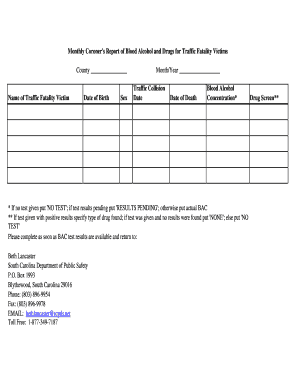
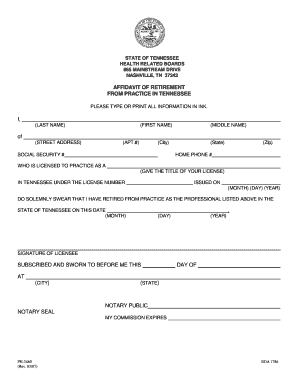
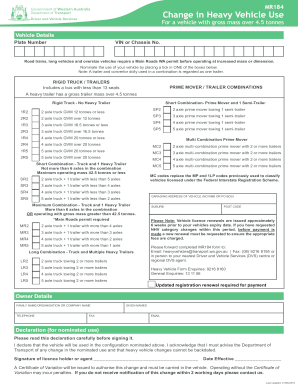
We've got more versions of the veterinary health certificate for the export of dogs and cats form. Select the right veterinary health certificate for the export of dogs and cats version from the list and start editing it straight away!
At DocHub, your data security is our priority. We follow HIPAA, SOC2, GDPR, and other standards, so you can work on your documents with confidence.


VEHCS system facilitates creation and endorsement of animal health certificates for export. It helps APHIS/VS to DocHub compliance with importing countriesRead more
Apr 1, 2026 ) Veterinary Export Health Certification System (VEHCS) -vaccinated dogs. This form must be submitted by a USDA-accredited veterinarian before


