






Definition & Meaning
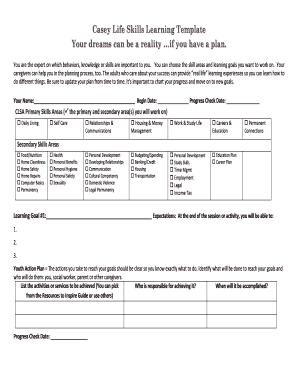
The Scholarship Application Entry Form is a crucial document designed to facilitate students' application for scholarships. Its primary function is to capture all necessary information from applicants to assess their eligibility for financial aid. The form typically includes sections related to personal data, academic records, financial need, and any extracurricular activities or achievements that could enhance the applicant's profile. Understanding the purpose and components of this form is essential for a successful scholarship application.
Key Elements of the Scholarship Application Entry Form
The form is structured to gather comprehensive information about the applicant:
- Personal Information: Name, contact details, and identification information, such as a student ID or Social Security Number.
- Academic History: Schools attended, GPA, standardized test scores, and any relevant academic awards.
- Financial Information: Details about the applicant's financial situation, including family income, assets, and any other scholarships or financial aid received.
- Statement of Purpose or Personal Essay: An essay section where applicants can articulate their goals, motivations, and reasons for applying for the scholarship.
- References or Recommendations: Contact information for teachers, mentors, or employers who can provide character and academic references.
Steps to Complete the Scholarship Application Entry Form
Completing the form requires precision and attention to detail. The steps typically include:
- Gather Required Information: Collect all necessary documents, including transcripts, tax returns, and personal identification.
- Fill Out Personal Details: Ensure that all personal information is accurate and matches official records.
- Provide Academic Records: Submit transcripts and test scores as required by the scholarship committee.
- Complete Financial Information Section: Provide detailed and honest financial data to demonstrate eligibility for need-based scholarships.
- Write the Personal Essay: Draft and proofread a compelling essay that illustrates your merits and need for the scholarship.
- Submit References: Confirm that references are willing to provide recommendations and have all necessary contact information.
- Review and Submit: Double-check all entries for accuracy and completeness before submission.
Eligibility Criteria
The eligibility criteria for scholarships can vary significantly depending on the scholarship provider. Common criteria include:
- Academic Merit: Achieving a specific GPA or standardized test score threshold.
- Financial Need: Demonstrating financial hardship via family income, assets, or other indicators.
- Field of Study: Some scholarships may be restricted to students in certain academic disciplines or majors.
- Demographic Criteria: Some scholarships target specific groups, such as minorities, military dependents, or residents of certain states.


Required Documents
To ensure a complete application, several documents are typically required:
- Official Transcripts: From all high schools and colleges attended.
- Standardized Test Scores: SAT, ACT, or other relevant scores.
- Tax Returns and Financial Statements: For both the applicant and their legal guardians.
- Letters of Recommendation: From teachers, counselors, or other individuals familiar with the applicant's qualifications.
- Proof of Residency or Citizenship: Necessary for scholarships with geographic or national restrictions.
How to Use the Scholarship Application Entry Form
Applicants should approach the form methodically:
- Read Instructions Carefully: Understand all guidelines and instructions to avoid errors.
- Complete Each Section in Full: Ensure that no sections are left incomplete or submitted with incorrect information.
- Verify Information for Accuracy: Cross-check data against official documents to prevent discrepancies.
- Seek Guidance if Confused: Consult a school counselor or scholarship advisor if any section is unclear.
Form Submission Methods (Online / Mail / In-Person)
- Online Submission: Most applicants prefer submitting their application forms online due to convenience and efficiency.
- Mail Submission: For scholarships that require hard copies, ensure that all documents are enclosed and sent to the correct address.
- In-Person Submission: In some cases, forms may need to be delivered directly to an institution or local representative.
Software Compatibility
Given the increasing trend towards digital applications, many institutions use compatible software platforms like DocHub that can handle PDF forms efficiently. Applicants need to ensure their technology setup supports these platforms for smooth submissions and edits.