




01. Edit your how to write a lien release letter online
Type text, add images, blackout confidential details, add comments, highlights and more.

Type text, add images, blackout confidential details, add comments, highlights and more.

Draw your signature, type it, upload its image, or use your mobile device as a signature pad.

Send lien release letter sample via email, link, or fax. You can also download it, export it or print it out.
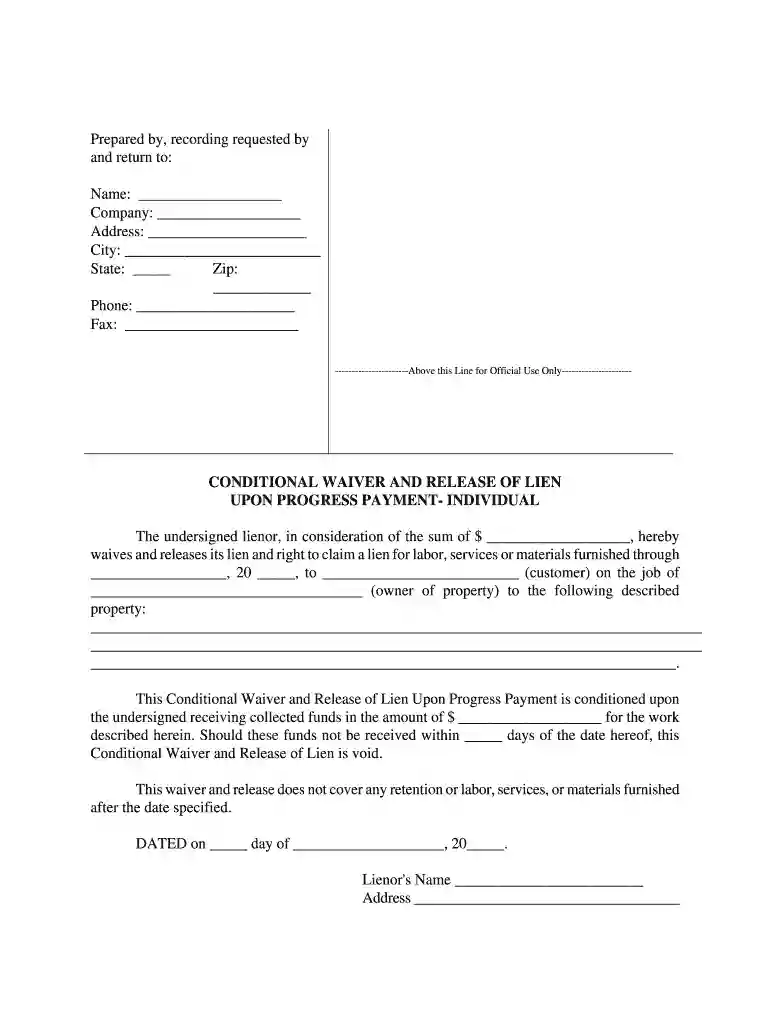
The release of lien form is a legal document that nullifies a previously filed lien against a property. A lien is a claim or legal right against assets that are typically used as collateral to satisfy a debt. This form is critical in situations where a debt has been paid, requiring the lienor to formally acknowledge the satisfaction of the debt and release the claim.
Understanding the purpose of a release of lien form is important in real estate and construction. For example, if a contractor completes a project and receives full payment, they may issue a release of lien to assure the property owner that no further claims for payment will be made. This is important for the property owner, who may wish to sell or refinance their property without encumbrances.
Key components of this document often include:
Using the release of lien form effectively involves several steps, ensuring that all necessary information is provided for it to be legally binding. First, the lienor must gather relevant documents that prove the debt has been settled. Next, the lien release must be filled out accurately, including:
Once completed, this form should be filed with the appropriate state or local authorities, depending on jurisdiction. The filing may also require accompanying documents such as proof of payment.
Several key elements must be included in a release of lien form to ensure it is comprehensive and legally sound. These include:
These elements ensure that the release of lien form will be recognized legally, safeguarding both parties’ interests.
To ensure the release of lien form is completed accurately and efficiently, follow these outlined steps:
By adhering to these steps, individuals can avoid common mistakes that can delay the release process.
State-specific regulations regarding the release of lien form can significantly vary and affect the enforcement of lien releases. Each state in the U.S. may have its own requirements regarding the document's content, filing process, and legal implications.
Understanding these nuances is essential for compliance and to ensure the release of lien is enforceable.
Practical examples of when to use a release of lien form illustrate its importance in real-world scenarios.
Construction Projects: If a contractor has completed work and received payment from the property owner, they would issue a lien release to confirm that no future claims will arise against the property regarding the project.
Automobile Financing: When a vehicle loan is paid off, the lender issues a vehicle lien release letter. This document enables the owner to receive the title free of claims by the lender.
Home Refinancing: A homeowner seeking to refinance their mortgage must ensure that any existing liens are released. They would utilize the release of lien form to show potential lenders that the property is free of older debt claims.
These examples underscore the necessity of the form in safeguarding against future liabilities and disputes concerning property ownership and rights.
At DocHub, your data security is our priority. We follow HIPAA, SOC2, GDPR, and other standards, so you can work on your documents with confidence.





FINAL RELEASE. FINAL WAIVER OF CLAIMS AND LIENS AND RELEASE OF RIGHTS. Sworn to before me this. Corporation or Business Name. Day of. 20. By: Title: Date.Read more
If we have not released the lien within 30 days, you can ask for a certificate of release. Requesting a Copy of the Certificate. If it has been more than 30Read more
A release of a lien may be executed in the lien release section located on the front of the certificate of title, on this form, or on the lienholdersRead more


