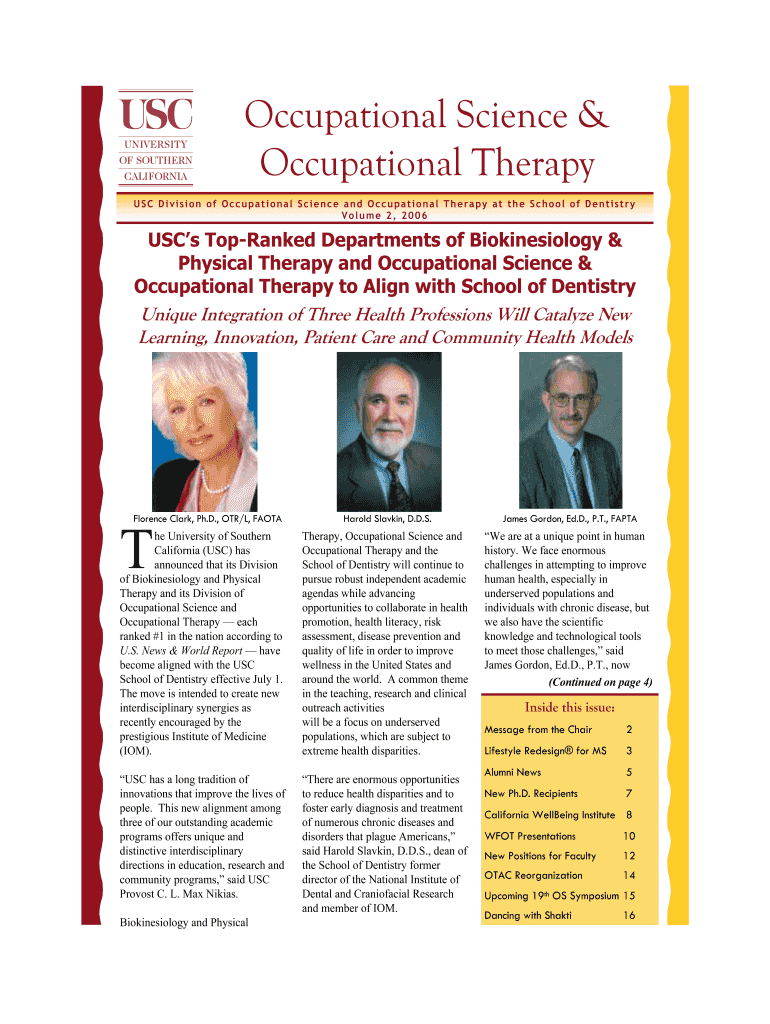







Definition and Meaning of Occupational Science and Occupational Therapy
Occupational Science and Occupational Therapy are interconnected fields that focus on enhancing the quality of life through occupation-based activities. Occupational Science explores the fundamental nature and impact of human activities and their role in health and well-being. It provides the theoretical foundation that informs Occupational Therapy practice. Occupational Therapy, on the other hand, is a client-centered health profession that promotes health and well-being through occupation. Practitioners work with individuals, families, and communities to modify or adapt environments and activities to support participation and performance.
Importance of Occupational Science and Occupational Therapy
The interplay between Occupational Science and Occupational Therapy is crucial for understanding and addressing the dynamic needs of individuals and populations. Occupational Science provides insights into meaningful activities that can improve mental and physical health, reduce stress, and enhance overall quality of life. Occupational Therapy translates these insights into practical interventions that support individuals in achieving greater independence and participation in their daily lives, particularly those with disabilities, chronic health conditions, or those undergoing life transitions.
Steps to Complete an Occupational Therapy Program
-
Admission Requirements: Generally, applicants must hold a bachelor’s degree, with specific prerequisite courses such as biology, psychology, and sociology. Some programs may require volunteer or work experience in a healthcare setting.
-
Program Enrollment: Upon acceptance, students engage in a curriculum that covers anatomy, neuroscience, research methods, occupational therapy theory, and therapeutic techniques.
-
Fieldwork: Accredited programs require completion of Level I and Level II fieldwork, allowing students to apply their knowledge in real-world settings under supervision.
-
Certification Examination: Graduates must pass the National Board for Certification in Occupational Therapy (NBCOT) Exam to become a registered occupational therapist (OTR).
-
State Licensure: Licensed practitioners must adhere to state-specific requirements, which commonly include board examination clearance and ongoing education.
Who Typically Uses Occupational Science and Occupational Therapy
These fields serve a diverse client base, including children with developmental delays, adults recovering from injuries, and seniors dealing with aging-related challenges. Occupational therapists also work with specific populations, such as individuals managing chronic conditions like multiple sclerosis or those in need of mental health support. Additionally, practitioners collaborate with other professionals in interdisciplinary teams to provide holistic care.
Key Elements of Occupational Therapy Practice
Occupational Therapy utilizes a client-centered approach, focusing on the individual's goals and aspirations. Key elements include:
- Assessment and Planning: Conducting comprehensive evaluations to understand the client's needs, strengths, and preferred outcomes.
- Intervention: Designing tailored interventions that may include adaptive techniques, environmental modifications, and skill development.
- Outcome Evaluation: Regularly reviewing progress to adjust interventions and ensure relevancy and effectiveness.
Legal and Ethical Considerations in Occupational Therapy
Practitioners must operate within legal frameworks and uphold ethical standards to provide safe and effective therapy. They are required to respect client autonomy, maintain confidentiality, and abide by the American Occupational Therapy Association (AOTA) Code of Ethics. Understanding federal and state regulations related to healthcare practice is essential to ensure compliance and protect client rights.
Examples of Occupational Therapy Applications
Occupational Therapy is applicable in a variety of settings:
- Schools: Helping children develop fine motor skills to participate in classroom activities.
- Hospitals: Assisting patients with regaining daily living skills post-surgery.
- Rehabilitation Centers: Offering strategies to individuals recovering from strokes to enhance coordination and motor skills.
Software Compatibility and Technological Integration
Occupational Therapy practices benefit from modern software tools and applications, like electronic health records (EHRs) and specialized therapeutic apps. These technologies streamline patient management, facilitate evidence-based practice, and enhance therapeutic outcomes by offering digital solutions for tracking progress and modifying treatment plans.
Eligibility Criteria for Occupational Therapy Programs
Candidates must satisfy certain criteria to enroll in an Occupational Therapy program:
- Educational Background: A bachelor’s degree with a strong emphasis on sciences and humanities.
- Prerequisite Courses: Core subjects often include biology, physiology, and introductory psychology.
- Experience: Prior experience in a healthcare setting, such as volunteering or shadowing an occupational therapist, is highly recommended.
These criteria ensure that incoming students possess the foundational knowledge and commitment necessary to succeed in the program.
By providing a comprehensive understanding of both Occupational Science and Occupational Therapy, stakeholders including potential students, healthcare professionals, and clients can better appreciate its applications, significance, and ethical considerations.